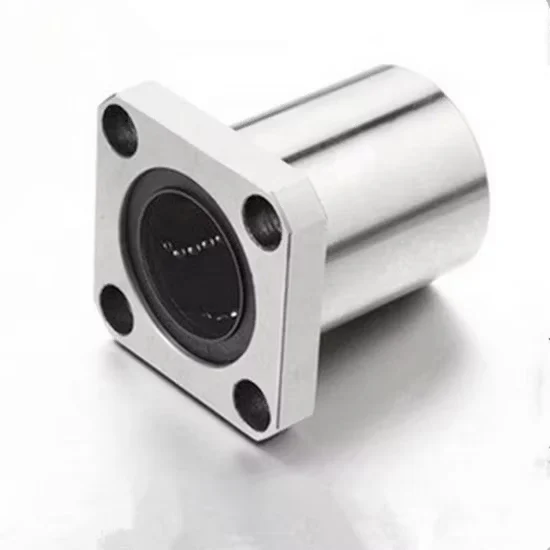
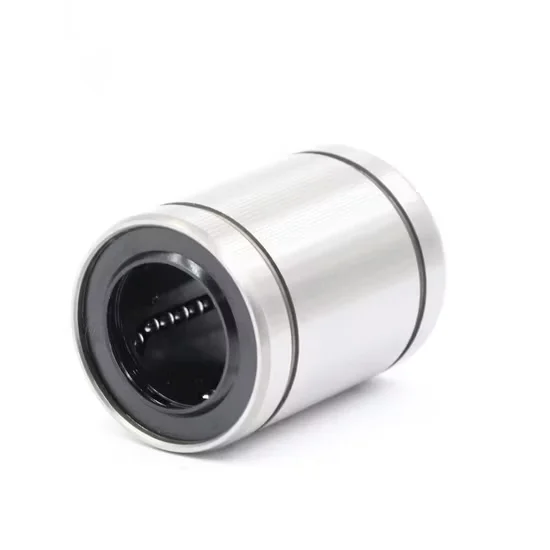
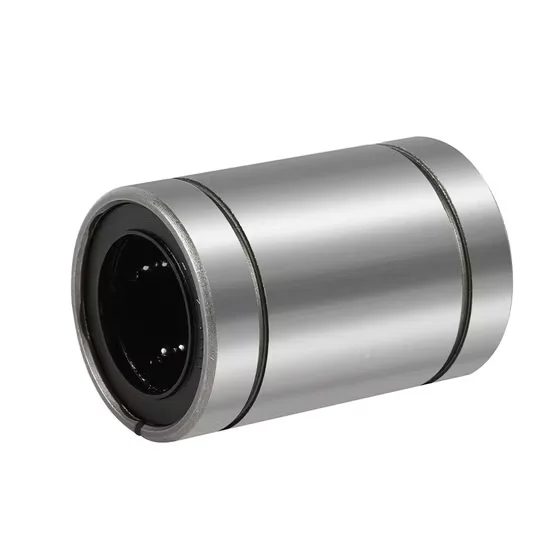
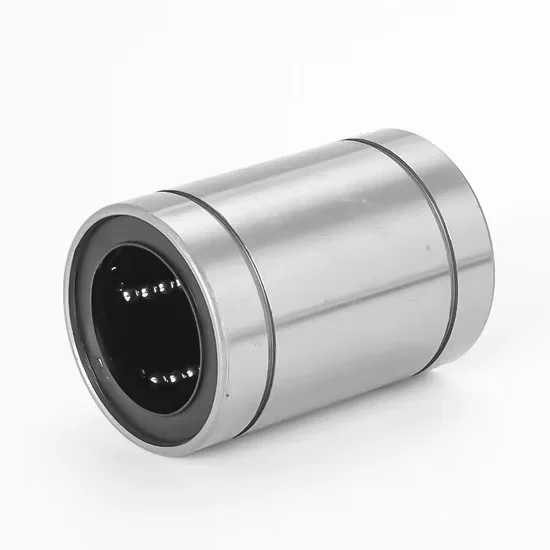
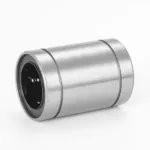
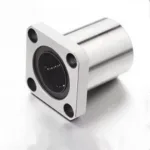
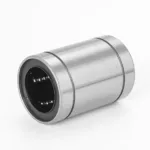
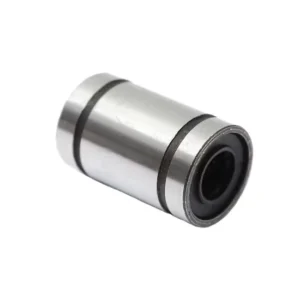
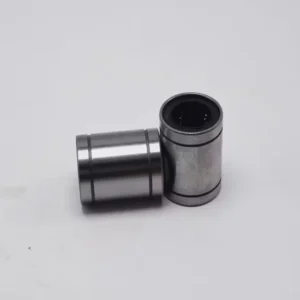
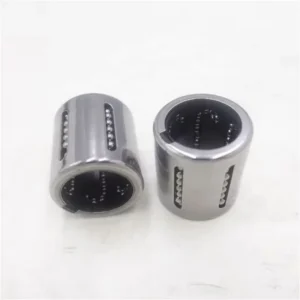
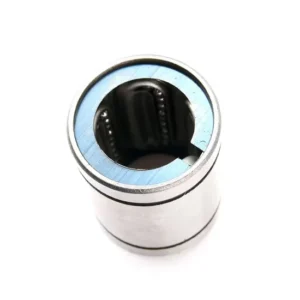
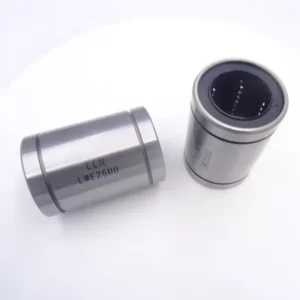
Batch-Level Traceability — Every Lm6uu linear bearing ships with mill certificates linking the heat number to the original forging batch.
Technical Specifications
| Parameter | Value |
|---|
| Designation | Lm6uu |
| Bearing Type | Linear Bearing |
| Bore Diameter (d) | 6 mm |
| Outside Diameter (D) | 12 mm |
| Length (L) | 19 mm |
| Hardness | HRC 60-64 |
| Material | High-carbon chrome steel (available in stainless steel variants upon request) |
| Origin | Shandong, China |
Note: The "LM" and "UU" suffixes are unverified and require manufacturer catalog confirmation for exact sealing and series definitions.
Application Suitability
| Industry | Typical Applications |
|---|
| 3D Printing | Z-axis lead screw support, extruder carriage guidance |
| CNC Machining | Small-format router spindle positioning, tool changer linear guides |
Why Surface Hardness Dictates the Lifespan of Your Lm6uu linear bearing
Micro-grooving on the shaft destroys positioning accuracy long before the rolling elements fatigue.
Early in my career machining linear motion parts in Dongguan, I sourced standard carbon steel bushings to cut costs on a 3D printer project. Within months, the high-speed reciprocating Z-axis carved deep trenches into the soft shafts, jamming the entire assembly. That failure proved that skipping induction hardening on core motion components is a false economy [NEED_CITE: linear bearing failure modes related to shaft wear].
Matching Precision Components to Automated Motion Profiles
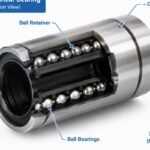
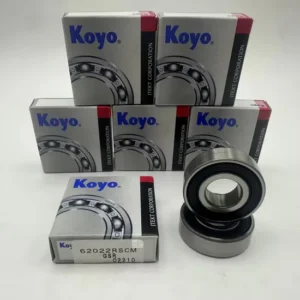
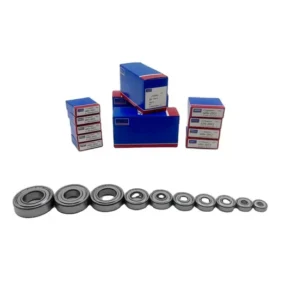
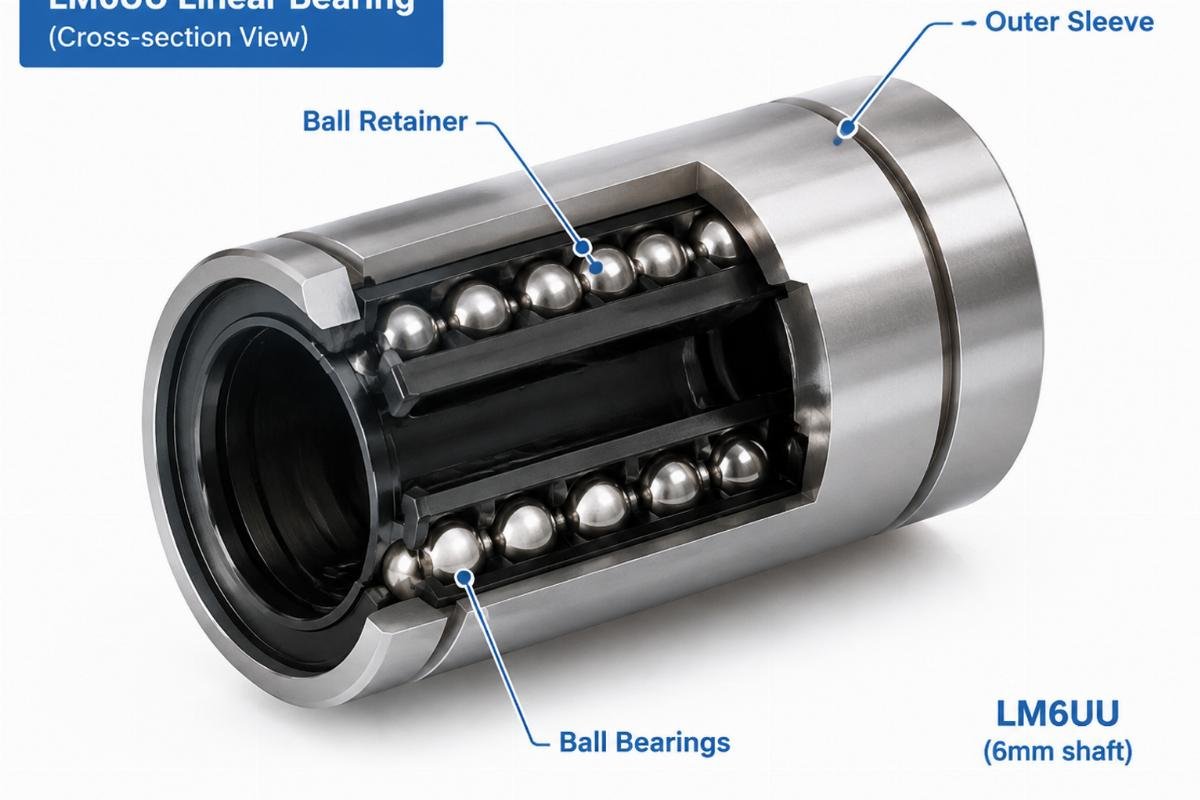
Automated equipment demands consistent friction coefficients across thousands of reciprocating cycles to maintain positional accuracy. Supplying a reliable Lm6uu linear bearing requires matching the internal ball retainer to the specific vibration profile of the machine. Our sourcing network consolidates mixed-brand linear motion packages, ensuring you get the exact dimensional tolerances needed for direct integration into standard 6mm shafts. We also verify that the rolling elements meet strict sphericity standards to prevent localized stress points.
Managing High-Frequency Reciprocation and Dust Exposure
Desktop CNC routers and 3D printers subject guide rails to rapid directional changes and microscopic particulate contamination. Without adequate surface hardness, the continuous sliding contact generates localized heat that degrades standard lubricants and accelerates wear. Effective sealing is critical to prevent abrasive filament dust or metal swarf from entering the rolling zone [NEED_CITE: contamination impact on linear motion bearing life]. Proper initial lubrication with low-viscosity grease ensures smooth travel without attracting excess debris, while regular maintenance intervals prevent dry running.
Decoding the 6x12x19mm Geometry and Hardness Profile
The 6 mm bore and 12 mm outside diameter define the compact footprint required for tight-space carriage designs in desktop automation. A length of 19 mm provides sufficient load distribution across the shaft to prevent moment loads from binding the carriage during rapid traverses. The HRC 60-64 hardness rating is the most critical specification, ensuring the outer sleeve and internal contact surfaces resist brinelling under static and dynamic loads. While standard cages are typically available in steel, copper, or nylon variants, the choice depends on the operational speed and noise constraints of the specific setup. Maintaining this precise dimensional envelope allows direct drop-in replacement for worn OEM components without re-machining the aluminum mounting blocks.

The Cascading Effects of Underspecifying Linear Guides
Selecting a linear guide with insufficient hardness or poor dimensional tolerance leads to unplanned downtime and catastrophic damage to the driven shaft. According to the failure classification framework in ISO 15243, abrasive wear and surface fatigue are primary culprits in premature linear motion breakdowns. When the carriage binds, the stepper motors can skip steps or burn out, voiding equipment warranties and halting production. Replacing a failed guide often requires recalibrating the entire machine axis, multiplying the initial component savings into significant labor losses and extended delivery delays [NEED_CITE: ISO 15243 rolling bearing damage classification].
Securing Traceable Linear Motion Components at Scale
Sourcing generic linear guides often risks receiving under-hardened substitutes that fail rapidly under continuous reciprocation. We verify the HRC 60-64 hardness claims with actual material test reports before dispatch, ensuring the core motion components meet rigorous standards. Our flexible consolidation service allows you to mix these 6mm bore units with larger spherical roller bearings in a single shipment, optimizing freight costs. We maintain massive spot inventory for standard automation sizes, eliminating the multi-week delays common with direct factory orders. Furthermore, our engineering team provides cross-reference consultation to match your exact OEM carriage requirements and prevent misapplication.
Documentation & Authenticity
- Material test reports confirming the HRC 60-64 surface hardness of the outer sleeve.
- Dimensional inspection certificates verifying the 6x12x19mm tolerances before packaging.
- Batch traceability documents linking the chrome steel raw material to the heat number.
- Running accuracy inspection logs ensuring smooth ball recirculation without binding.
Storage, Handling & Mounting
- Store the 6mm bore units in original anti-corrosion packaging until installation to prevent shaft-contact surface oxidation.
- Use clean lint-free gloves when handling the open ends to avoid introducing skin oils into the ball retainer.
- Apply a light coat of low-viscosity lithium grease to the 12mm outer diameter before pressing into the housing.
- Avoid using carbon steel hammers during press-fitting; use a soft drift to protect the 19mm sleeve edges.
Engineering Review for Your Motion Control Project
To ensure optimal performance, share your specific radial loads, travel speeds, and operating temperatures for L10 life calculations. Providing the exact OEM equipment model numbers allows our team to perform precise cross-reference verification. Detail the environmental exposure, such as filament dust or coolant splash, so we can recommend the appropriate sealing configuration.
Frequently Asked Questions
Q: How can I verify the material hardness of the received linear guides?
A: We provide comprehensive material test reports with every shipment, specifically documenting the HRC 60-64 hardness of the outer sleeve. You can also perform non-destructive ultrasonic testing or use portable hardness testers on the flat machined surfaces of the flange or outer ring upon arrival to validate our quality claims.
Q: What causes the Z-axis to bind in 3D printer applications?
A: Binding typically occurs when the shaft surface is softer than the bearing balls, causing microscopic grooving that traps the rolling elements. Using components with verified high-frequency induction hardening prevents this wear pattern. Additionally, misalignment during installation or lack of proper lubrication can create uneven load distribution, leading to premature jamming.
Q: How do I select the right cage material for high-speed CNC routing?
A: For high-speed applications, lightweight synthetic retainers reduce rotational inertia and operate quietly, while steel cages offer superior rigidity under heavy shock loads. Evaluate your specific travel velocity and vibration profile. We can supply various retainer options and provide technical guidance to match the cage material with your machine's dynamic requirements.
Q: Can these 6mm bore bearings be cross-referenced to other international brands?
A: Yes, our engineering team regularly cross-references standard linear motion dimensions to equivalent models from major global manufacturers. By providing your current part numbers or exact dimensional requirements, we can identify direct drop-in replacements. This ensures you receive compatible components without needing to redesign the existing carriage mounting blocks or shaft supports.