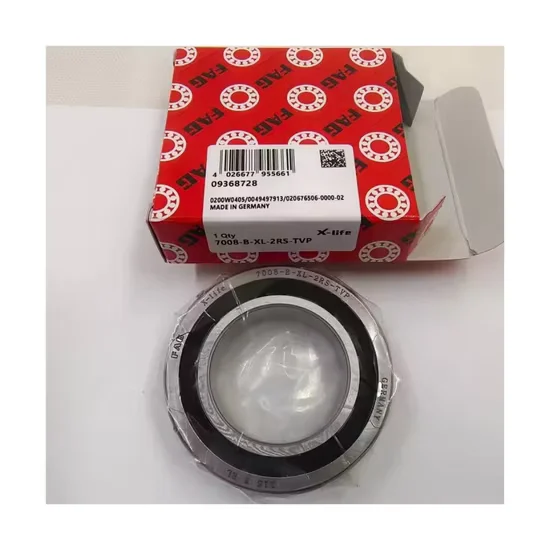
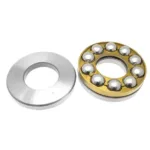
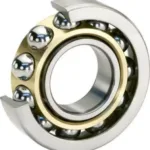
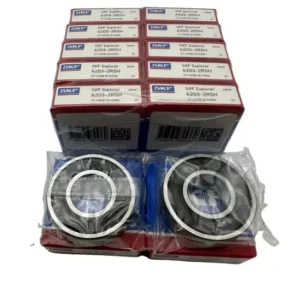
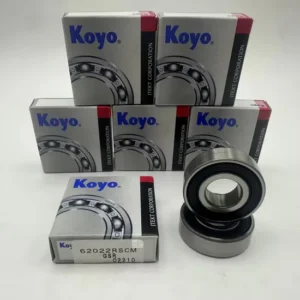
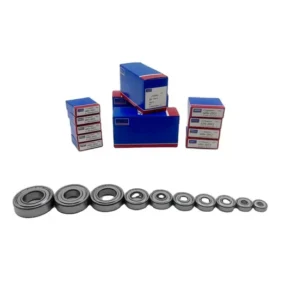
Mixed-Brand Sourcing — Consolidate your 7213 NTN orders with other premium makes in a single shipment without juggling multiple vendors.
Technical Specifications
| Parameter | Value |
|---|
| Designation | 7213 NTN |
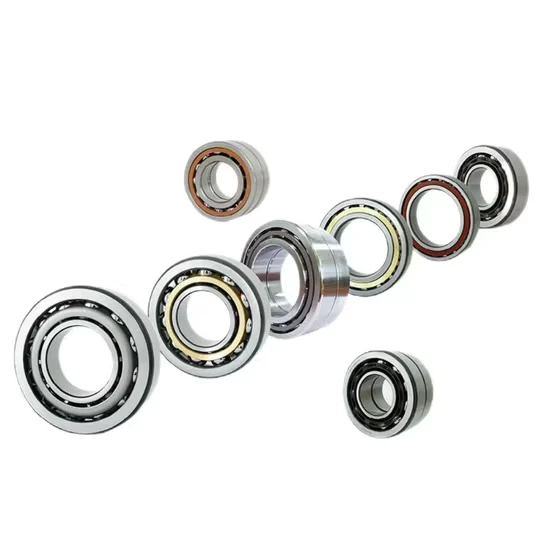
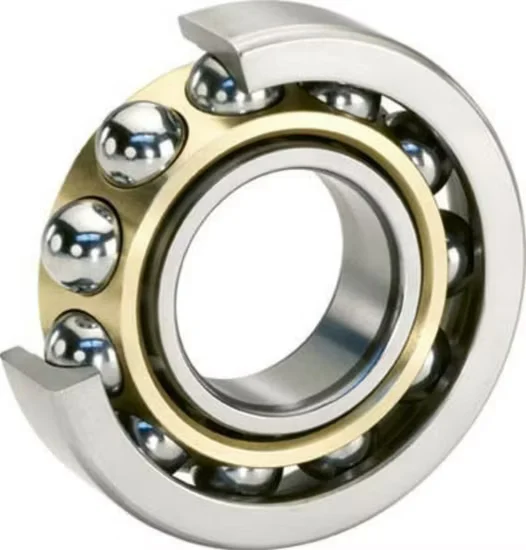
| Bearing Type | Angular Contact Ball Bearing |
| Contact Angle | 15° (C), 25° (AC), 30° (a), 40° (B) |
| Rows Number | Single Row / Double Row |
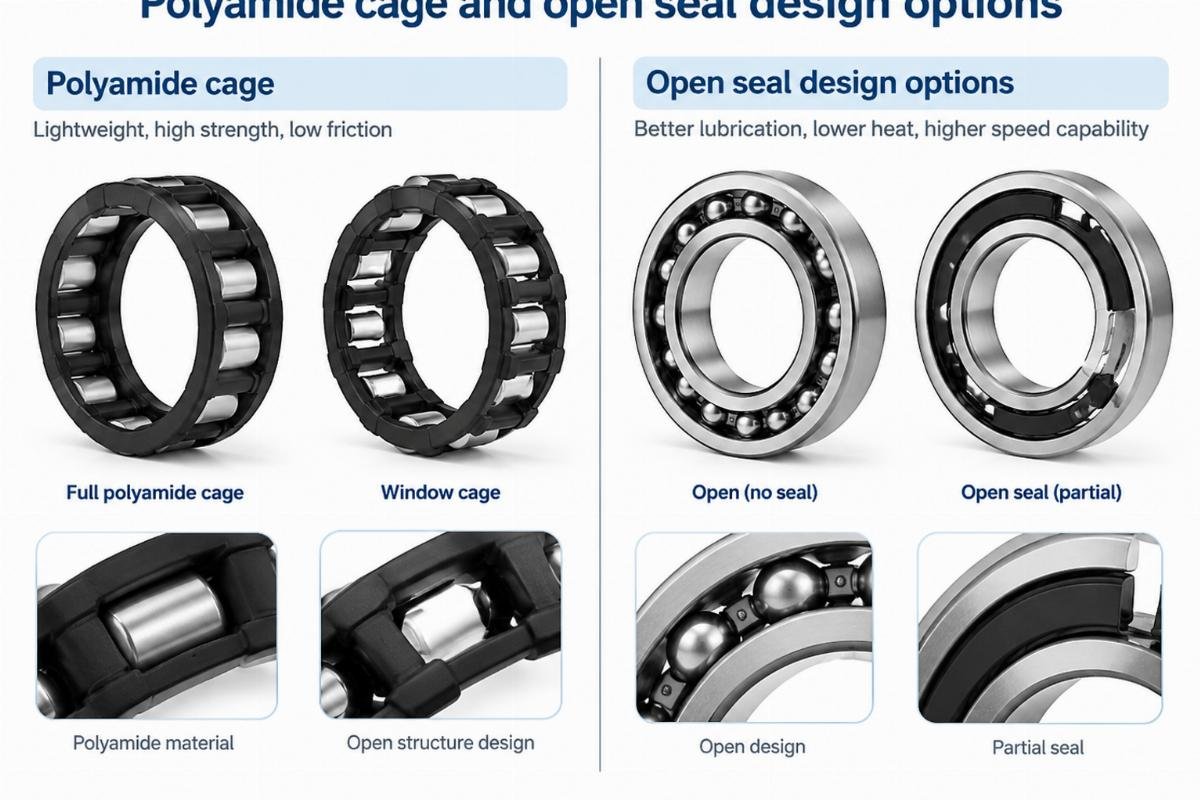
| Cage Material | Nylon (Polyamide) |
| Material | Gcr15 Bearing Steel |
| Seal or Shield Type | Open |
| Clearance Class | C0, C1, C2, C3, C4, C5 |
| Vibration Grade | V1, V2, V3 |
| Origin | Shandong, China |
Application Suitability
| Industry | Typical Applications |
|---|
| Machine Tool Manufacturing | High-speed spindle assemblies and precision rotary tables |
| Fluid Handling | Centrifugal pumps and multi-stage compressor shafts |
| Industrial Automation | Robotic joint actuators and precision positioning stages |
Why Spindle Vibration Spikes After Installing a New NTN 7213 angular contact ball bearing
Mismatched contact angles and unverified row configurations silently destroy rigidity before the first shift ends.
I have seen this exact scenario unfold on shop floors in Dubai, where maintenance teams ordered the base number without specifying the exact contact angle. The machine tool spindle ran hot within hours, and teardown inspections revealed early raceway spalling caused by inadequate axial stiffness. Procurement engineers often overlook that an open design requires precise external lubrication matching. When the wrong contact angle is installed, the cutting forces push the spindle out of alignment, resulting in chatter marks on the finished workpiece. This not only ruins the part but also accelerates fatigue on the adjacent shaft components [NEED_CITE: bearing failure mode classification per ISO 15243].

Aligning the NTN 7213 angular contact ball bearing with High-Speed Demands
When outfitting machine tool spindles, selecting the correct polyamide cage reduces friction heat at elevated RPMs. Our supply chain ensures you receive the exact clearance class needed for your thermal expansion profile. We cross-verify your required contact angle against the OEM blueprint to prevent the rigidity loss that plagues standard replacements. By analyzing your specific cutting parameters, we can recommend whether a 15-degree or 25-degree configuration will yield the best surface finish. Sourcing genuine components means the polyamide material will withstand the exact thermal limits specified by the original designer, preventing cage deformation during rapid acceleration phases.
Navigating Thermal and Load Variables in Precision Equipment
Spindle applications subject components to combined radial and axial loads while generating significant internal heat. An open seal configuration demands a meticulous external oil-air or oil-mist lubrication strategy to flush out contaminants without inducing drag. If the operating temperature fluctuates, selecting a tighter or looser clearance class becomes critical to maintaining preload. Improper mounting force can also induce brinelling on the raceways. Furthermore, the absence of integral seals means the housing must be perfectly machined to prevent coolant ingress. Any metallic debris entering the raceway will act as an abrasive, rapidly degrading the Gcr15 steel surfaces and causing catastrophic vibration spikes [NEED_CITE: mounting damage mechanisms in precision bearings].
Decoding the Contact Angle and Cage Selection
The availability of multiple contact angles—ranging from 15° to 40°—dictates the axial load capacity and rigidity of the assembly. A 15° angle favors ultra-high-speed spindle applications where radial loads dominate, while a 40° angle provides the thrust capacity needed for heavier axial cutting forces. The polyamide cage minimizes weight and rotational inertia, making it ideal for rapid acceleration, though it requires strict temperature limits compared to brass alternatives. Choosing the right vibration grade ensures the spindle operates quietly under dynamic cutting conditions. Additionally, the non-aligning nature of this design means the shaft and housing must be machined to strict concentricity tolerances. Any misalignment will concentrate the load on a few rolling elements, drastically shortening the operational lifespan [NEED_CITE: load distribution factors in non-aligning bearings].
The Financial Drain of Overlooking Configuration Details
Specifying a single-row unit when a paired arrangement is required leads to catastrophic axial play under cutting loads. This oversight triggers unplanned downtime, scrapped workpieces, and secondary damage to the spindle housing. According to reliability frameworks, misaligned preload and incorrect clearance selection are primary drivers of premature fatigue. Warranty claims are routinely voided when traceability documents do not match the installed configuration. Beyond the immediate cost of the replacement part, the labor required to tear down a high-precision spindle and recalibrate the entire machine tool represents a massive financial burden that easily dwarfs the initial component investment [NEED_CITE: fatigue life reduction due to improper preload per ISO 281].
Securing Traceability for Critical Spindle Components
We eliminate the risk of receiving counterfeit or mismatched units by providing full batch traceability for every NTN 7213 angular contact ball bearing shipped. Our technical team reviews your single-row versus double-row requirements and cross-references the 5300 equivalent if a dual-row configuration is actually needed. We maintain massive spot inventory of various clearance classes, allowing us to fulfill emergency single-unit spare part requests without forcing you into full-container minimums. Every shipment includes verified documentation confirming the Gcr15 steel origin and dimensional accuracy. When you need to consolidate this order with other premium brands for a complete machine overhaul, our logistics team handles the mixed-brand packaging to ensure everything arrives synchronized and ready for installation.
Documentation & Authenticity
- Certificate of Conformity verifying the genuine origin and manufacturing batch.
- Material test reports confirming Gcr15 bearing steel chemical composition.
- Dimensional inspection certificates validating running accuracy before dispatch.
- Official brand authentication via QR codes or proprietary verification applications.
Storage, Handling & Mounting
- Keep the open-type bearing in original VCI packaging to prevent raceway corrosion.
- Use lint-free gloves when handling the polyamide cage to avoid surface contamination.
- Apply induction heating for inner ring mounting to preserve the specified clearance.
- Flush the spindle housing thoroughly since the open design lacks integral seals.
- Verify the contact angle marking on the outer ring for correct axial orientation.
Preparing Your Technical Requirements for Review
To ensure the selected NTN 7213 angular contact ball bearing matches your spindle dynamics, please share your operational radial and axial loads alongside maximum RPM and thermal profiles. Providing the OEM equipment model number allows our engineers to perform a precise cross-reference check against the 5300 series. Detail your current lubrication method so we can confirm the open design is optimal for your maintenance cycle. If you are experiencing unexplained vibration or premature wear in your current setup, share the teardown photos and operating conditions so our failure analysis team can pinpoint whether the issue stems from incorrect clearance, inadequate lubrication, or a mismatched contact angle specification.
Frequently Asked Questions
Q: How do I verify the authenticity of the received units?
A: You can authenticate the components using the manufacturer's official mobile application or by scanning the QR code on the packaging. We also supply a Certificate of Conformity and batch traceability documents that allow you to cross-check the production date and origin directly with the brand's database, ensuring complete supply chain transparency.
Q: What is the practical difference between the available contact angles?
A: A 15-degree angle optimizes rotational speed and handles primarily radial loads, making it ideal for high-speed spindles. Conversely, a 40-degree angle significantly increases axial thrust capacity for heavier cutting operations. Selecting the correct angle prevents premature raceway spalling and ensures the spindle maintains the necessary rigidity under operational cutting forces.
Q: When should I consider the 5300 cross-reference instead?
A: The 5300 series represents a double-row configuration, which provides higher rigidity and handles bidirectional axial loads without needing matched pairing. If your application suffers from excessive deflection or requires a more compact axial footprint than two single-row units can provide, transitioning to the double-row equivalent is the recommended engineering solution.
Q: How does the clearance class affect spindle performance?
A: Clearance dictates the internal play before the bearing is mounted and reaches operating temperature. A tighter clearance suits high-precision, low-vibration requirements, while a larger clearance accommodates thermal expansion in high-speed applications. Choosing the wrong class leads to either excessive preload and overheating or unwanted vibration and poor surface finish on machined parts.