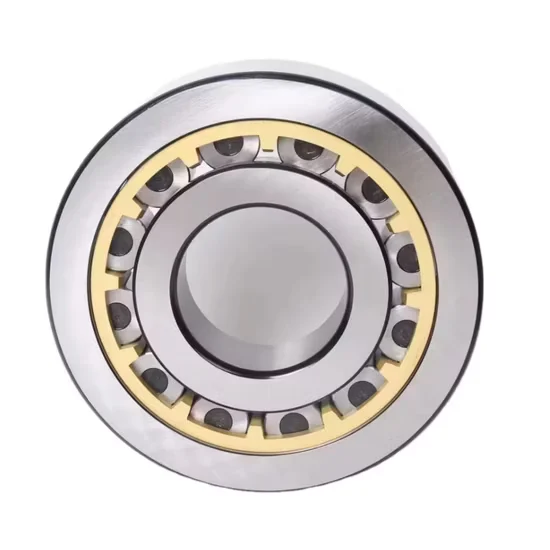
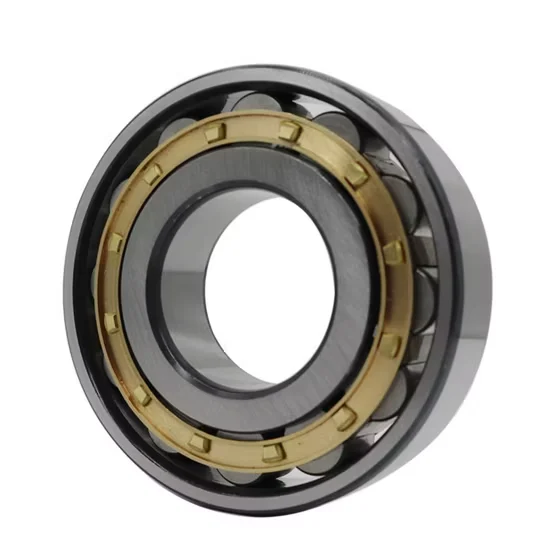
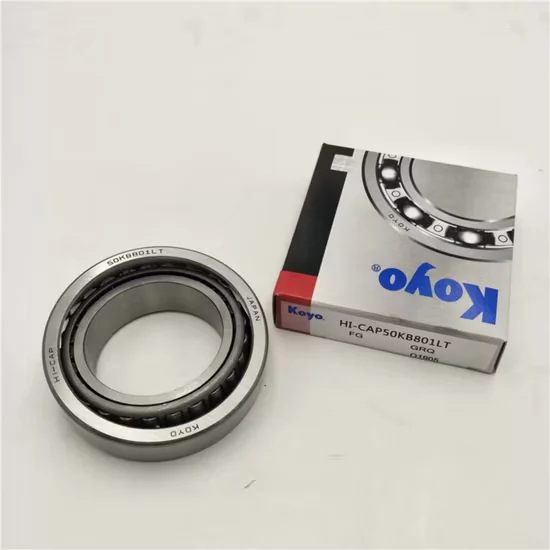
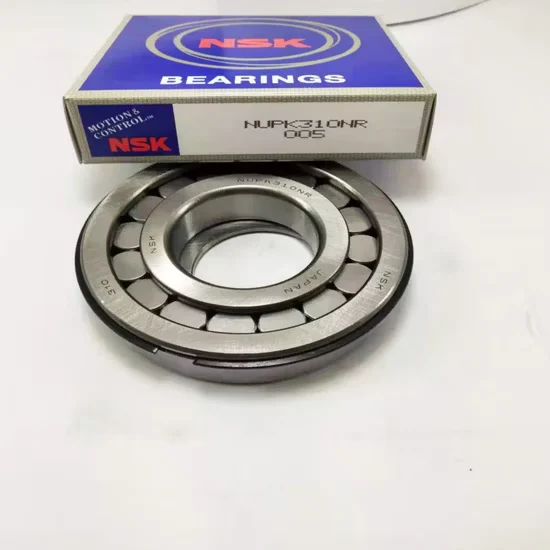
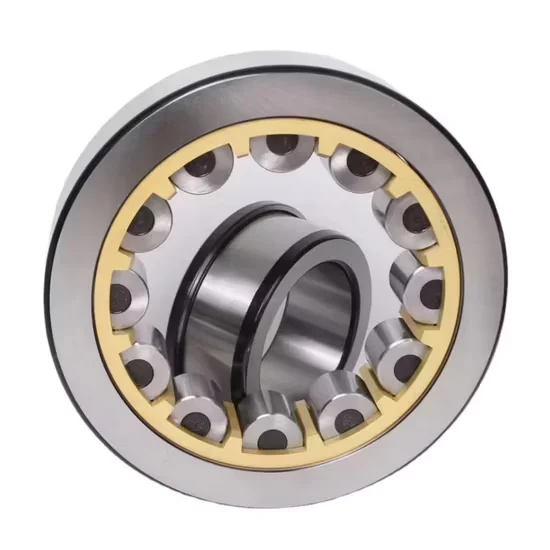
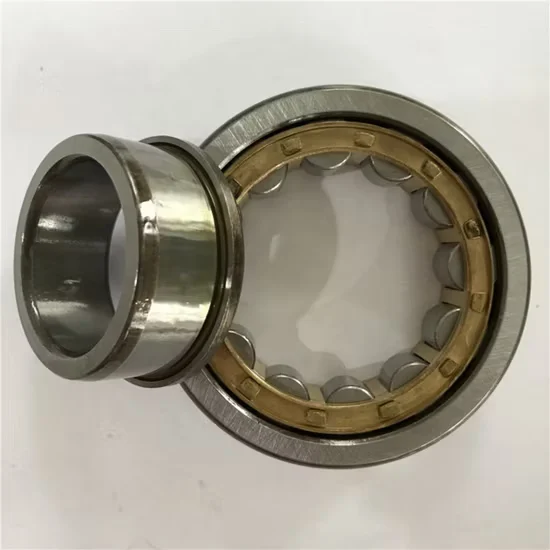
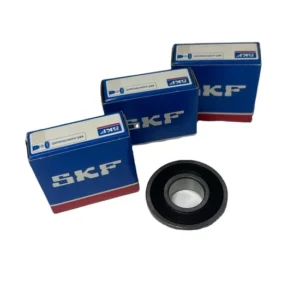
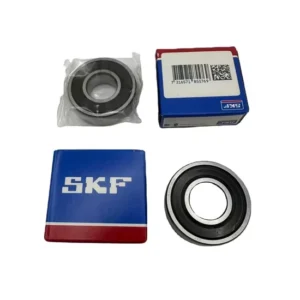
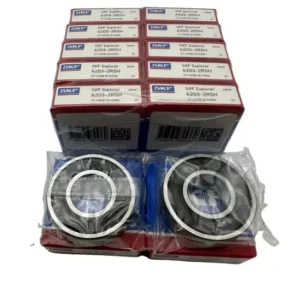
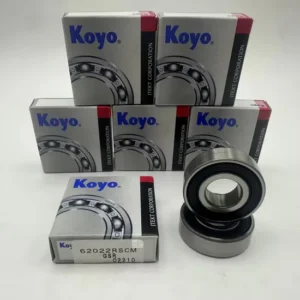
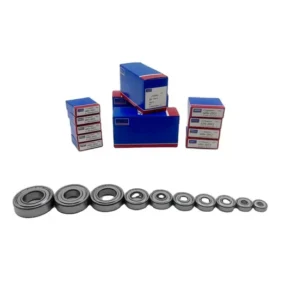
Multi-Brand Sourcing Consolidated — Procure KOYO, NTN, and NSK cylindrical roller bearings in a single mixed-brand shipment without juggling multiple vendors.
Technical Specifications
| Parameter | Value |
|---|
| Product Type | Cylindrical Roller Bearing |
| Material | Chrome Steel Gcr15 / 100cr6 options |
| Origin | Shandong, China |
| Application | Thermal expansion compensation, heavy-duty gearboxes |
Application Suitability
| Industry | Typical Applications |
|---|
| Cement & Building Materials | Rotary kiln support rollers and free-end thermal expansion joints |
| Heavy Machinery & Metallurgy | Rolling mill drive shafts and heavy-duty gearbox floating bearings |
| Rail & Transit | Traction motor axle boxes requiring axial displacement tolerance |
Why Free-End Bearings Seize When Thermal Expansion Is Ignored
Finding a reliable Nu series cylindrical roller bearing supplier is only half the battle; the real challenge lies in accommodating shaft elongation.
Axial displacement capacity prevents catastrophic seizure during thermal growth.
I once watched a rotary kiln support roller in a Nigerian cement plant overheat and emit smoke within hours of startup. The maintenance crew had tightly wedged the outer ring against the housing shoulder, leaving zero clearance for thermal elongation. When a dedicated Nu series cylindrical roller bearing supplier provides the right component, improper free-end mounting still guarantees premature failure [NEED_CITE: bearing mounting errors causing thermal seizure].

Matching Axial Float to Heavy-Duty Operational Demands
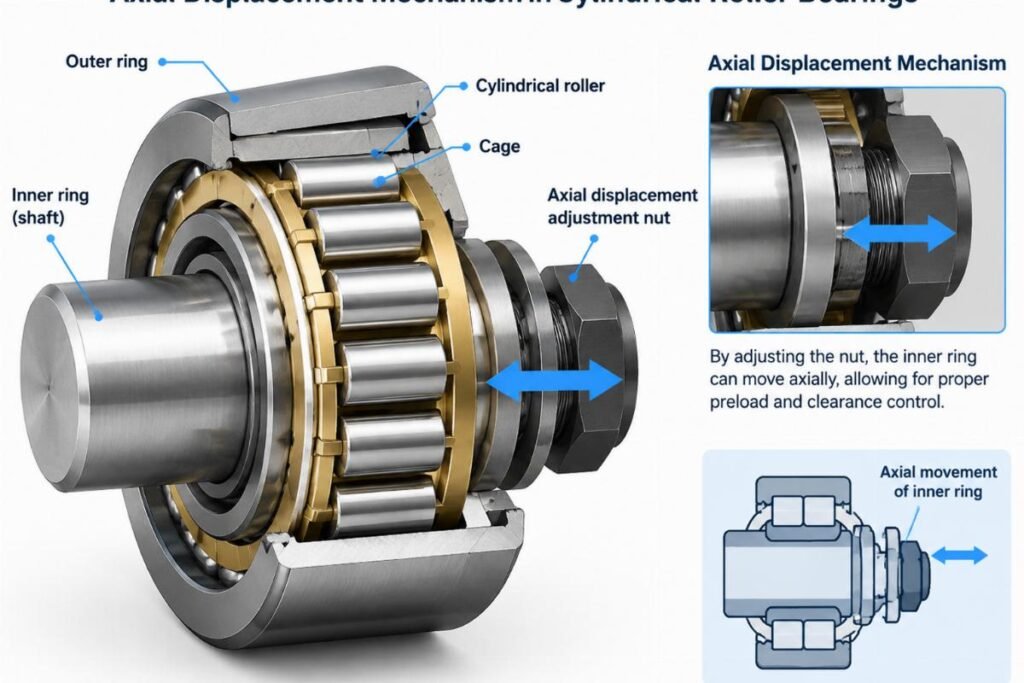
Selecting the correct floating bearing configuration ensures the shaft can expand freely under extreme heat. As an experienced Nu series cylindrical roller bearing supplier, we match these components to applications where radial loads are immense but axial fixation must be avoided. The inner ring and roller assembly slide smoothly within the outer ring, absorbing dimensional changes without inducing parasitic axial stresses.
Managing Heat, Load, and Lubrication in Floating Arrangements
Free-end positions in rotary kilns or rolling mills experience intense radial forces combined with significant temperature gradients. This thermal exposure alters internal clearance, demanding careful fit selection to prevent the rollers from skewing or binding. Lubrication must withstand elevated temperatures while maintaining a stable film thickness to protect the sliding contact surfaces between the rollers and the outer ring raceway [NEED_CITE: lubrication breakdown in high-temperature cylindrical roller bearings]. Inadequate sealing in these dusty environments further accelerates wear on the sliding surfaces.
Decoding Material and Configuration Choices for Thermal Stability
The choice of bearing steel directly dictates performance under thermal stress. Components are available in Chrome Steel Gcr15 or 100cr6 variants, offering high contact fatigue strength for heavy radial loads. For environments with severe corrosion or moisture, stainless steel options provide substantially higher resistance without sacrificing core load capacity. Selecting the appropriate material depends on the specific operating temperature and the presence of corrosive agents. Furthermore, the internal geometry must be verified to ensure the sliding surfaces are optimized for the expected axial displacement range.

The Cascading Financial Impact of Incorrect Free-End Selection
Choosing an inappropriate floating bearing or ignoring axial clearance requirements leads to rapid temperature spikes and eventual cage destruction. According to failure mode classifications outlined in ISO 15243, thermal overload frequently manifests as severe smearing on the raceways and roller ends. This unplanned downtime halts entire production lines, causing catastrophic damage to adjacent gearbox components. Ultimately, the cost of replacing a seized shaft and housing far exceeds the initial investment in proper engineering consultation [NEED_CITE: ISO 15243 classification of thermal bearing failures].
Securing Genuine Floating Bearings with Verified Traceability
Sourcing authentic components for critical free-end positions requires strict channel verification. As a trusted Nu series cylindrical roller bearing supplier, we provide complete batch traceability documentation for every unit shipped. Our engineering team offers cross-reference alignment to verify the floating configuration matches your thermal expansion profile. We maintain massive spot inventory for emergency orders and container consolidations. Our post-delivery support includes failure analysis to help avoid mounting pitfalls.
Documentation & Authenticity
- Certificate of Conformity confirming genuine KOYO, NTN, or NSK origin.
- Batch traceability records linking the steel melt to your serial numbers.
- Spectrometry reports verifying Gcr15 or 100cr6 chemical composition before dispatch.
- Dimensional inspection data confirming outer ring bore tolerances for axial sliding.
- Official QR authentication guides for verifying premium brand packaging.
Storage, Handling & Mounting
- Store Gcr15 components in climate-controlled environments to prevent micro-corrosion on sliding raceways.
- Keep original packaging sealed until mounting to protect the precision-machined outer ring bore from dust.
- Use induction heating for inner ring mounting, avoiding open flames that alter the chrome steel metallurgy.
- Never wedge the outer ring against the housing shoulder; always leave the specified axial gap for thermal growth.
- Apply clean gloves when handling to prevent acidic sweat from initiating surface corrosion on the exposed rollers.
Engineering Data Required for Precise Free-End Specification
To determine the exact model and clearance class for your application, please provide the equipment type, shaft diameter, and housing dimensions. Share the operational parameters, including maximum radial loads, rotational speeds, and the expected temperature gradient across the shaft. Detailing the environmental conditions, such as dust ingress or moisture exposure, allows our engineering team to recommend the optimal material and sealing configuration.
Frequently Asked Questions
Q: How do we determine the correct axial clearance for thermal expansion in these bearings?
A: The required axial clearance depends on the shaft length, material thermal expansion coefficient, and the maximum operating temperature differential. Our engineering team calculates the expected elongation and recommends the appropriate housing shoulder gap and bearing internal clearance to prevent binding during thermal growth.
Q: What is the configuration principle for fixed and free-end bearings in a shaft system?
A: A typical shaft system uses one fixed bearing to locate the shaft axially and handle combined loads, while the free-end bearing accommodates thermal expansion. The floating bearing must allow the inner ring and roller assembly to slide axially within the outer ring without generating parasitic friction.
Q: How does Gcr15 bearing steel perform under high-temperature conditions compared to other alloys?
A: Standard chrome steel like Gcr15 provides excellent contact fatigue strength for heavy radial loads at normal operating temperatures. However, at elevated temperatures beyond its standard thermal limit, hardness and dimensional stability decrease. For extreme heat applications, we recommend consulting our team for specialized high-temperature material options.
Q: Can you provide cross-reference replacements for existing KOYO or NTN floating bearings?
A: Yes, our technical team provides comprehensive cross-reference alignment across premium global brands. By analyzing your current equipment specifications, load requirements, and thermal expansion profiles, we identify equivalent models from NSK, NTN, or KOYO that perfectly match the original axial displacement and radial load capacities.
Q: What are the most common failure modes for cylindrical roller bearings in free-end positions?
A: The most frequent failures involve thermal seizure due to improper mounting, where the outer ring is locked without expansion clearance. Other common issues include smearing on the sliding surfaces caused by inadequate lubrication or skewing of rollers resulting from misalignment during the installation process.