Reporting Results After Switching Bearing Brands: Wholesale Supplier
Cheaper unit prices often lead to higher total operational costs.
Switching bearing brands requires evaluating total cost of ownership and field performance, not just unit price, to avoid catastrophic failures and hidden downtime costs. Many procurement decisions fail because they focus solely on the initial purchase price rather than the long-term reliability and maintenance implications of the substitution.
I still remember the humidity in the Minas Gerais iron ore mines. A client decided to cut costs by replacing main drive bearings from a premium global brand with unbranded local alternatives. The savings on the invoice were immediate and attractive. However, within months, the cage structure failed, causing a massive production halt. The repair costs and lost production time far exceeded the initial savings. This experience reinforced my approach: I now inspect cross-sections of failed components to analyze material grain and heat treatment quality before recommending any switch. Evaluating switching bearing brands results demands a deeper look than datasheet comparisons.
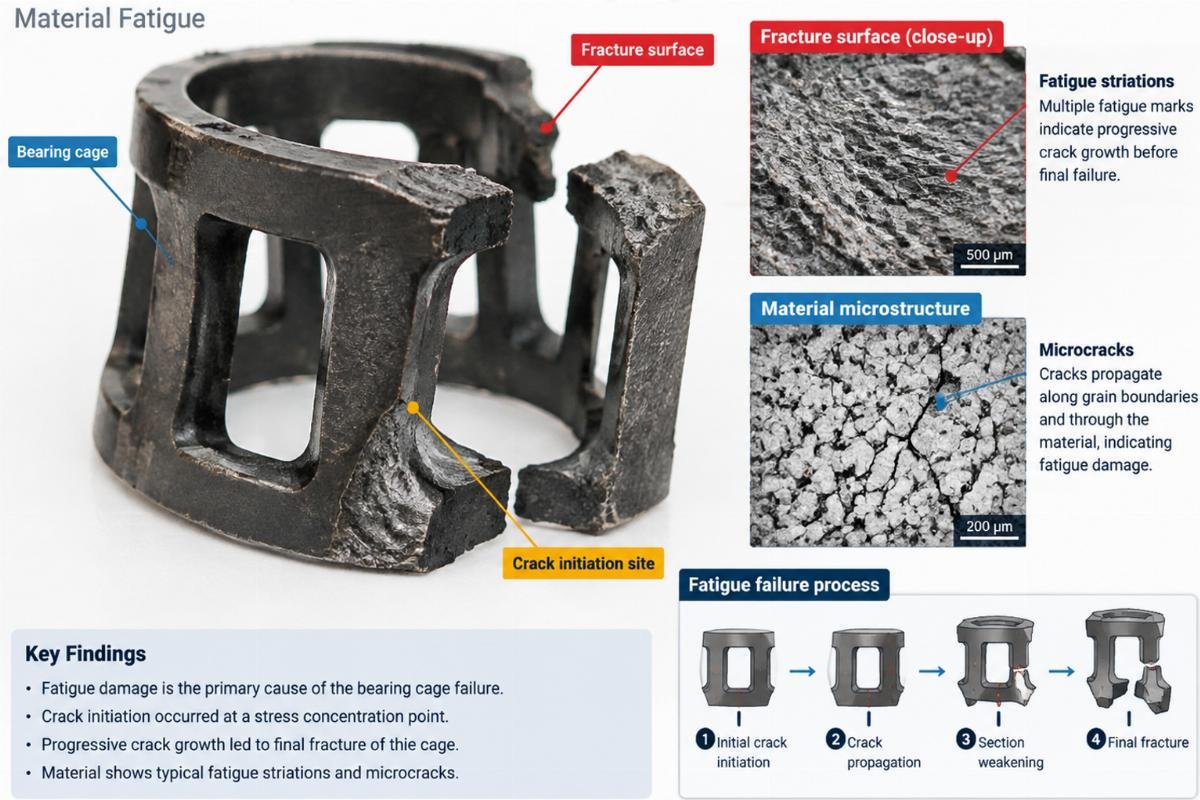
Understanding these pitfalls is critical for distributors and MRO operators. The following sections detail how to assess substitutions effectively, ensuring that cost reductions do not come at the expense of operational integrity.
What are the real costs of switching to cheaper bearing brands?
Hidden downtime costs often exceed initial unit price savings.
When considering a brand substitution, the immediate reduction in unit price is visible, but the downstream costs are often obscured. The true financial impact includes maintenance labor, collateral damage to adjacent components, and production losses during unplanned downtime. [NEED_CITE: Total Cost of Ownership models in industrial maintenance]
In heavy industry, a bearing failure rarely occurs in isolation. A shattered roller or seized race can damage shafts, housings, and seals. Replacing these additional components multiplies the cost of the original bearing failure. Furthermore, the labor required for emergency repairs is significantly higher than planned maintenance due to overtime rates and the urgency of restoring operations.
Consider a scenario in a mining conveyor drive. Switching to a lower-cost alternative resulted in premature failure. The initial savings were negligible compared to the cost of replacing the entire drive assembly and the lost revenue from days of stopped production. This illustrates why evaluating switching bearing brands results must include a comprehensive risk assessment.
| Cost Factor | Premium Brand Scenario | Low-Cost Substitution Scenario |
|---|---|---|
| Unit Price | Higher | Lower |
| Expected Service Life | Long | Variable/Shorter |
| Downtime Risk | Low | High |
| Collateral Damage | Rare | Common |
| Total Cost of Ownership | Predictable | Volatile |
The table above highlights the qualitative differences in risk profiles. While the unit price is lower for substitutions, the volatility in service life and the high risk of collateral damage make the total cost unpredictable. [NEED_CITE: Industry association failure analysis guidelines]

Procurement teams must look beyond the invoice. The real cost is measured in uptime and reliability. By focusing on total cost of ownership, buyers can avoid the trap of false economies. This perspective is essential when interpreting switching bearing brands results in a commercial context.
How to evaluate cross-brand bearing substitutions before bulk ordering?
Request samples for physical cross-section analysis and clearance verification.
Before committing to a large order, it is crucial to verify the physical and dimensional compatibility of the substitute bearing. Datasheets may claim equivalence, but manufacturing tolerances and material quality can vary significantly between brands. [NEED_CITE: ISO standards for bearing dimensional tolerances]
A robust evaluation process involves requesting sample units for detailed inspection. Key areas to examine include internal clearance, surface finish, and material hardness. For instance, replacing a Tier-1 brand with a domestic Chinese brand requires strict internal clearance matching to prevent premature wear. If the clearance is too tight, overheating occurs; if too loose, vibration increases.
I often perform macro and micro examinations on cross-sections of sample bearings. This reveals gaps in material purity and heat treatment consistency that are not visible from the outside. Visual inspection alone is insufficient. The grain structure of the steel indicates the quality of the forging and hardening processes. Poor heat treatment leads to early spalling and fatigue failure.

Another critical step is verifying the cage design and material. Different manufacturers use varying cage types and materials, which affect performance under high load or high speed. Ensuring that the substitute bearing matches the application requirements is vital. [NEED_CITE: OEM technical bulletins on cage selection]
By conducting these physical checks, buyers can identify potential issues before they become field failures. This proactive approach ensures that switching bearing brands results in a reliable substitution rather than a costly mistake. It transforms the decision from a gamble into a calculated engineering choice.
What field metrics prove a new bearing brand is performing well?
Track vibration, temperature, and actual service life against baseline data.
Once a new bearing brand is installed, continuous monitoring is essential to validate its performance. Relying on manufacturer claims is not enough; real-world data provides the only true proof of equivalence. Key metrics to monitor include vibration levels, operating temperature, and service life duration.
Vibration analysis is a powerful tool for detecting early signs of bearing distress. Changes in vibration patterns can indicate issues such as misalignment, imbalance, or internal damage. By establishing a baseline with the original brand, deviations in the new brand’s performance can be identified quickly. [NEED_CITE: Vibration analysis standards for rotating machinery]
Temperature trending is another critical indicator. Excessive heat generation suggests friction issues, inadequate lubrication, or incorrect fit. Monitoring temperature over a 12-month cycle allows for a comprehensive assessment of the bearing’s thermal stability. In a pump station maintenance case, mixed-brand batch testing involved tracking these trends to verify equivalence.
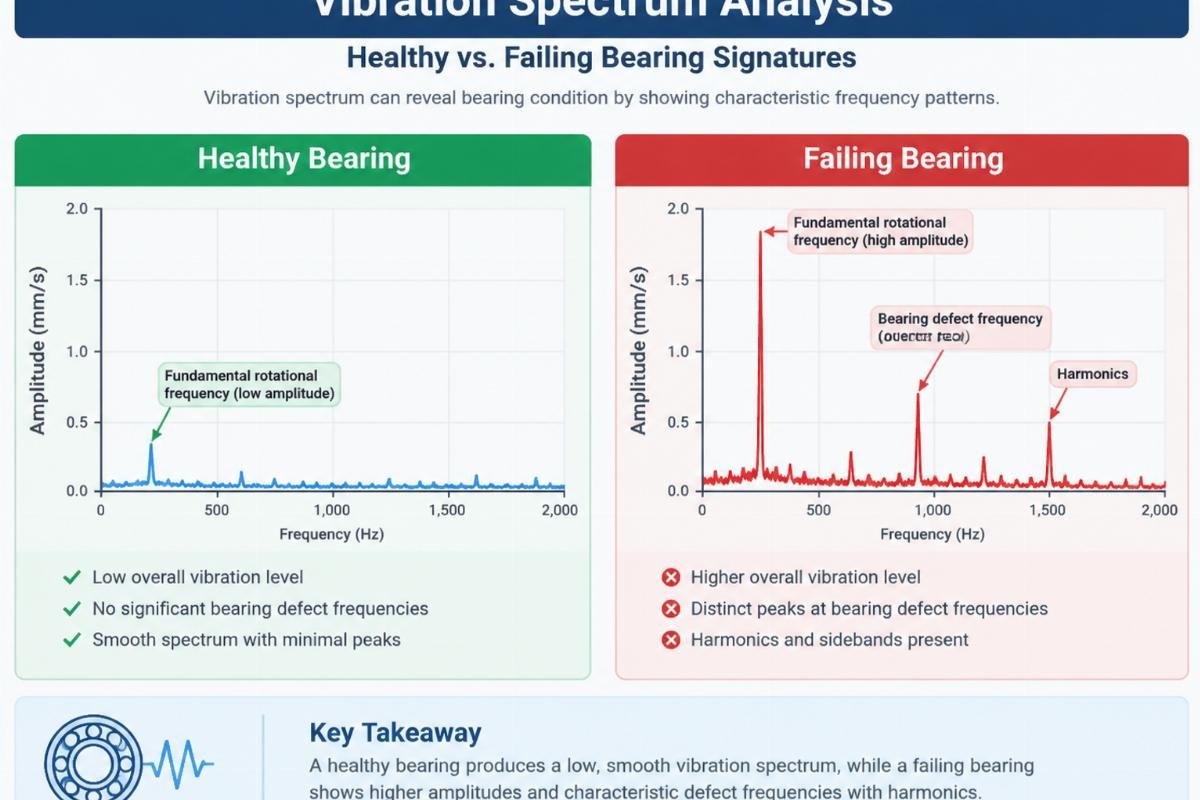
Service life comparison provides the ultimate validation. If the substitute bearing lasts as long as or longer than the original under similar operating conditions, it can be considered a successful substitution. However, this requires accurate record-keeping of installation dates and operating hours.
These metrics provide objective evidence of performance. They allow maintenance teams to make informed decisions about future purchases. When evaluating switching bearing brands results, this data-driven approach minimizes risk and ensures operational continuity. It moves the discussion from opinion to fact.
How to ensure quality consistency when consolidating mixed-brand orders?
Partner with suppliers offering full traceability and ISO-compliant spot inventory.
Consolidating orders from multiple brands introduces complexity in quality control. Ensuring that each component meets the required standards is challenging without proper traceability. Working with suppliers who provide complete documentation and adhere to international quality standards is essential. [NEED_CITE: ISO 9001 quality management principles]
Traceability allows buyers to track the origin of each bearing, including the manufacturing batch and material certificates. This is crucial for verifying authenticity and addressing any quality issues that may arise. Genuine original bearings with complete traceability documentation reduce the risk of counterfeit products entering the supply chain.
A professional global full-range bearing supplier can facilitate this process by offering mixed-brand sourcing solutions. They maintain large spot inventories covering thousands of standard and special part numbers, ensuring quick availability for urgent maintenance needs. This flexibility is particularly valuable for MRO operators who need to minimize downtime.
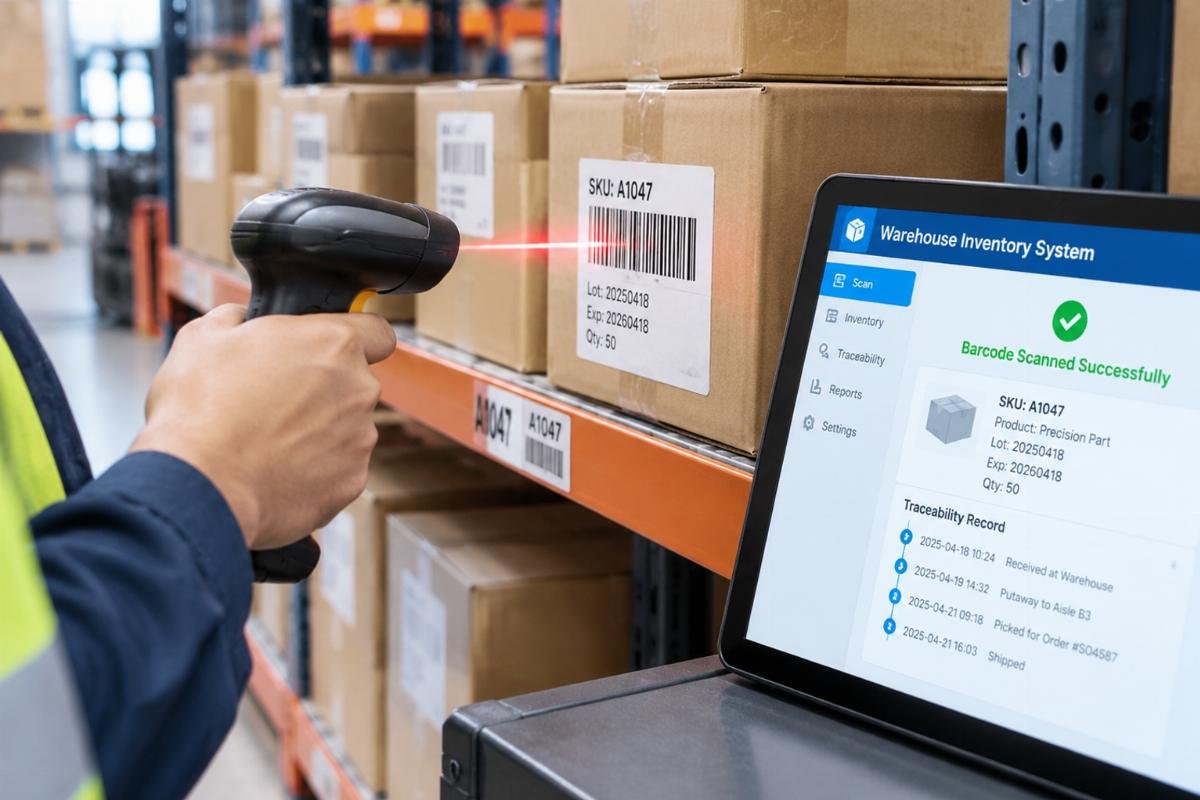
Technical support is another key advantage. Suppliers with expertise in cross-brand equivalent consultation can help select the right substitutes based on application requirements. They can also assist with failure analysis, providing insights into why a particular bearing failed and how to prevent recurrence.
By partnering with such suppliers, buyers can streamline their procurement process while maintaining high quality standards. This approach ensures that switching bearing brands results in consistent performance across different equipment and applications. It provides peace of mind in a complex supply chain environment.
Conclusion
Reliability outweighs initial savings in bearing procurement.
Switching bearing brands is a strategic decision that requires careful evaluation of total cost of ownership, physical compatibility, and field performance. By focusing on these factors, buyers can avoid hidden costs and ensure operational reliability. The insights shared here highlight the importance of data-driven decisions and professional support in navigating brand substitutions. Understanding switching bearing brands results empowers procurement teams to make choices that support long-term business success.

Written by
authorEditor covering global sourcing, supplier verification, and industrial product knowledge. Content is compiled from manufacturer specifications, industry standards, and hands-on experience with international B2B buyers. Every article is fact-checked before publishing to help procurement professionals make informed decisions.
View all posts


Leave a Reply