SKF FAG NSK Bearing Packaging Differences: Wholesale Supplier Guide
Uniform packaging does not equal genuine quality; distinct visual variations are standard across major manufacturers.
Packaging differences between brands like SKF, FAG, and NSK reflect unique corporate identity standards rather than authenticity flaws. Verifying original packaging integrity and traceability documents is the critical step to avoid customs delays and prevent pre-installation rust, regardless of outer box color or material variations.
I learned this lesson the hard way in Jakarta. A consolidated shipment of mixed-brand bearings arrived at the port, but customs officials flagged the cargo for inspection. The FAG black boxes had slightly blurred identifiers due to humidity during transit, and the SKF blue boxes were compressed from being stacked with heavier machinery parts. To an untrained eye, these looked like signs of tampering or counterfeit goods. The shipment was held for weeks while authorities verified the contents. When we finally opened the crates, the outer damage was evident, but more critically, a few NSK bearings had inner anti-rust paper that was not fully sealed. The moisture had already breached the barrier, causing surface rust before the bearings even reached the workshop. This experience highlighted that in wholesale procurement, packaging is not just about aesthetics; it is the primary line of defense for customs clearance and product preservation. [NEED_CITE: common causes of bearing corrosion during storage and transit]

Understanding these nuances is essential for distributors and MRO buyers who manage multi-brand inventories. Misinterpreting normal bearing packaging differences between brands as red flags can lead to unnecessary supply chain disruptions, while ignoring genuine warning signs can result in costly equipment failures.
Why Do SKF, FAG, and NSK Packaging Look So Different?
The visual disparity between bearing brands is intentional and standardized. Each manufacturer uses specific colors, logos, and box structures to reinforce brand identity and facilitate quick identification in large industrial warehouses. These variations are completely normal and should not be mistaken for inconsistencies in quality or authenticity.
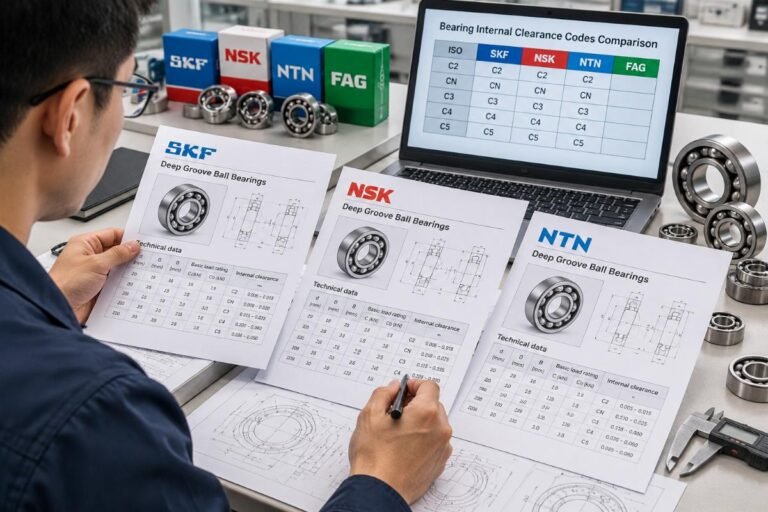
SKF typically uses its signature blue and white packaging, which is instantly recognizable in the global market. The boxes are often made of sturdy cardboard with clear, high-resolution printing. FAG, part of the Schaeffler group, traditionally employs black and yellow or black and white packaging, reflecting its German engineering heritage. The design is often more utilitarian, focusing on robust protection. NSK, a Japanese manufacturer, usually features green and white or simple white boxes with green lettering, emphasizing precision and cleanliness. These color codes are consistent across regions, but minor variations in shade or box thickness can occur due to different production facilities or local sourcing requirements. [NEED_CITE: official brand packaging guidelines and visual identity standards]
For a buyer consolidating orders from multiple suppliers, seeing these different boxes in one container is expected. However, unfamiliarity with these standards can trigger suspicion among customs officers or receiving clerks who are used to handling single-brand shipments. A container filled with a mix of blue, black, and green boxes might look disorganized to an outsider, but it represents a standard multi-brand procurement strategy. The key is to recognize that these aesthetic differences do not impact the internal quality of the bearing, provided the packaging remains intact and sealed.
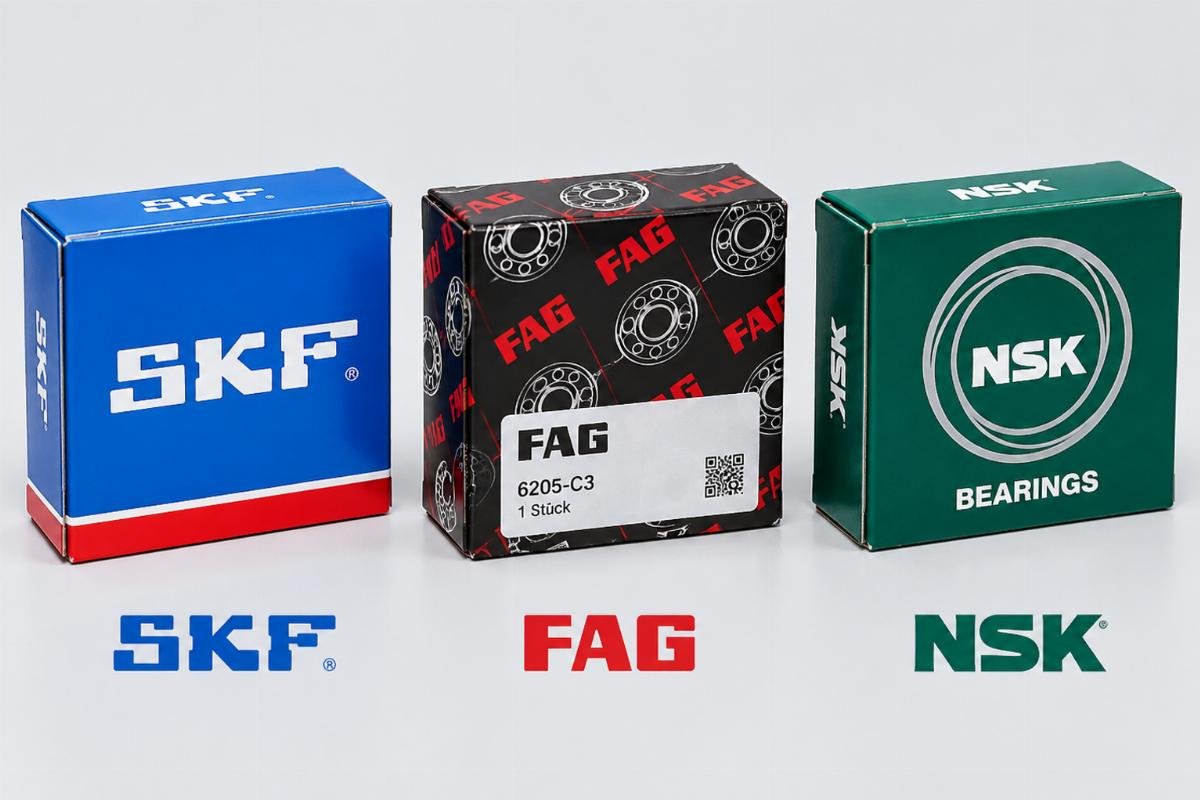
When evaluating bearing packaging differences between brands, focus on the consistency of the brand’s own standards rather than comparing them to each other. A genuine SKF box will always align with SKF’s current design language, just as a genuine FAG box will match FAG’s specifications. Deviations from a brand’s own established norms are the true indicators of potential issues, not the fact that one brand looks different from another.
What Constitutes “Normal” Inner Packaging for Each Brand?
While outer boxes vary in color, the inner packaging serves a critical technical function: protecting the bearing from moisture, dust, and physical damage. The methods used to achieve this protection differ by brand, but all must meet strict preservation standards. Understanding what constitutes normal inner packaging for each brand helps buyers identify compromised units before they enter inventory.
Inner rust-proof paper and plastic seals are the most common protective layers. SKF often uses a combination of waxed paper and plastic wrapping, ensuring a tight seal around the bearing. FAG may use heavy-duty plastic bags with desiccants included in larger packages, or specialized vapor-corrosion-inhibitor (VCI) paper. NSK frequently employs high-quality plastic sleeves with precise sealing to maintain a clean environment. The materials may feel different to the touch, and the sealing methods may vary, but the objective is the same: complete isolation from the external environment. [NEED_CITE: ISO standards for bearing preservation and packaging]
A common misconception is that a crushed outer box means the bearing inside is damaged. In reality, if the inner sealing remains intact, the product is likely preserved perfectly. The outer box absorbs the initial impact of stacking and transit, sacrificing itself to protect the inner barrier. However, if the inner plastic is torn or the rust-proof paper is unsealed, the bearing is vulnerable. In my earlier experience in Jakarta, the outer boxes were damaged, but the real issue was the unsealed inner paper on the NSK units. This breach allowed humidity to reach the steel surfaces, leading to rapid oxidation.
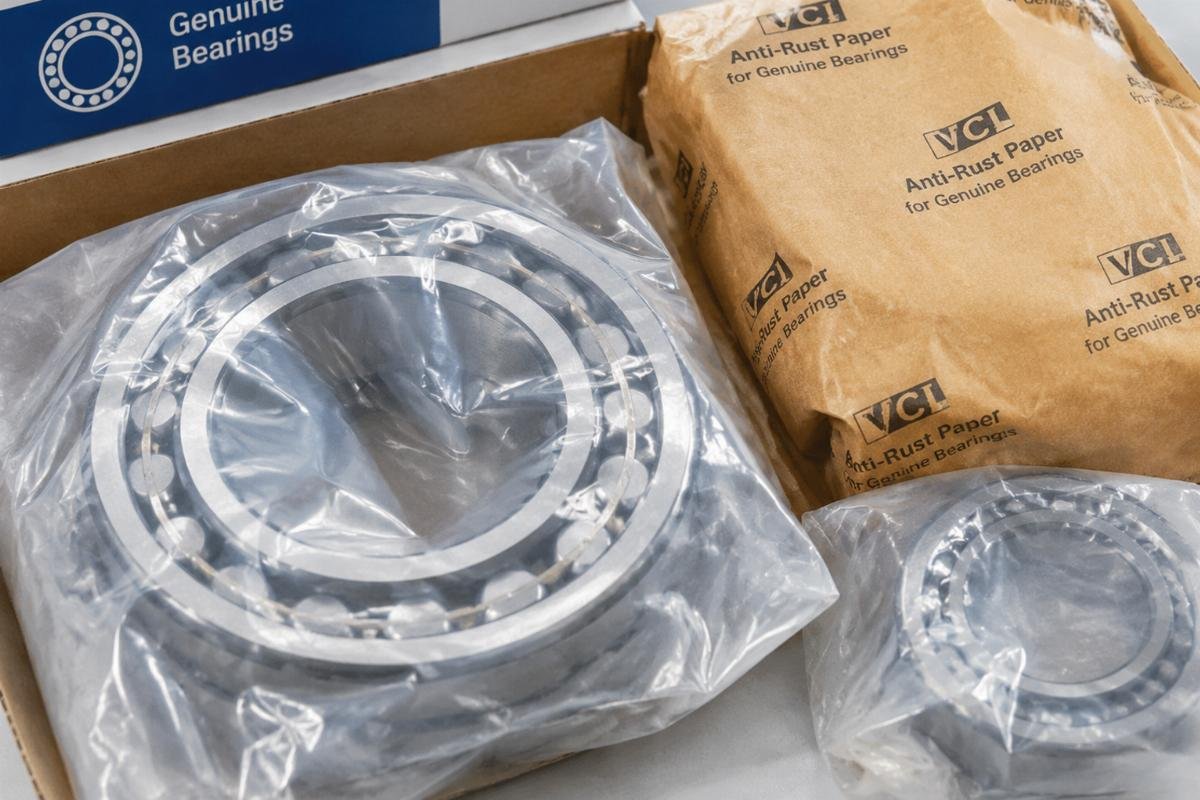
Buyers should inspect the inner packaging upon receipt. Look for tight seals, intact plastic, and dry, unblemished rust-proof paper. Any sign of moisture, tears, or loose wrapping should be treated as a defect, regardless of the outer box condition. Recognizing these bearing packaging differences between brands in terms of inner materials helps in setting appropriate inspection protocols for each brand in your inventory.
How to Tell Normal Differences from Counterfeit Red Flags?
Distinguishing between normal brand variations and counterfeit products requires attention to detail beyond color and shape. Counterfeiters often fail to replicate the high-quality printing, precise labeling, and secure sealing found in genuine packaging. Focus on missing traceability documents and poor print quality, not just color differences.
Genuine packaging features sharp, clear text with no smudging or misalignment. Logos are precise, and barcodes are scannable. Counterfeit boxes often have blurry text, faded colors, or incorrect font sizes. Additionally, genuine bearings come with specific labels that include batch numbers, manufacturing dates, and origin information. These labels are securely attached and difficult to remove without damage. Counterfeit labels may be poorly adhered, easily peeled off, or contain inconsistent data. [NEED_CITE: industry guidelines for identifying counterfeit bearing packaging]
Another critical red flag is the absence of proper documentation. Genuine shipments include certificates of conformity, test reports, and traceability documents that link the physical product to its manufacturing batch. Counterfeit goods rarely provide these documents, or the documents provided are generic and lack specific batch details. If a supplier cannot provide verifiable paperwork for a shipment, the packaging appearance becomes irrelevant; the product’s authenticity is questionable.
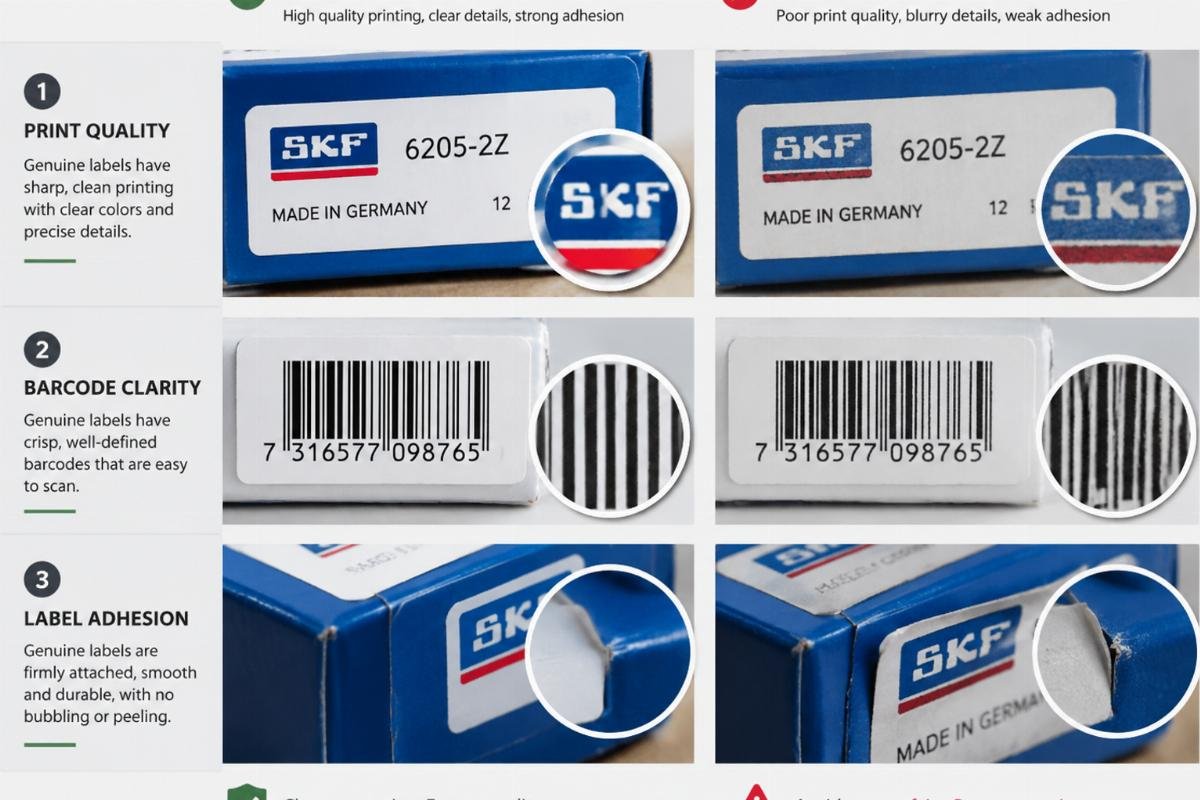
When assessing bearing packaging differences between brands, use brand-specific verification checklists. Check the label placement, font consistency, and seal integrity against known genuine samples. Do not rely solely on visual similarity to previous orders, as packaging designs can update. Instead, verify the structural and informational integrity of the packaging. This approach minimizes the risk of accepting counterfeit goods that mimic the general look of a brand but fail in detailed execution.
What Documents Prove Packaging Authenticity at Customs?
Customs delays often occur when officials encounter unfamiliar packaging or suspect counterfeit goods. Providing the right documentation can expedite clearance and prevent costly holds. Original traceability files and brand authorization letters are the most effective tools to prove packaging authenticity and legitimate sourcing.
Traceability documents include certificates of origin, mill test certificates, and batch-specific inspection reports. These documents confirm that the bearings were produced by the claimed manufacturer and meet specified standards. Brand authorization letters demonstrate that the supplier is an authorized distributor, adding a layer of credibility to the shipment. Without these documents, customs officials may treat the goods as suspicious, leading to inspections that can delay delivery by weeks. [NEED_CITE: customs clearance requirements for industrial components and anti-counterfeit measures]
In the case of mixed-brand consolidations, organizing these documents by brand and batch is crucial. Each brand’s packaging should be accompanied by its corresponding paperwork. This organization helps customs officers quickly verify the legitimacy of each item in the container. Disorganized or missing documentation raises red flags, regardless of the packaging quality.
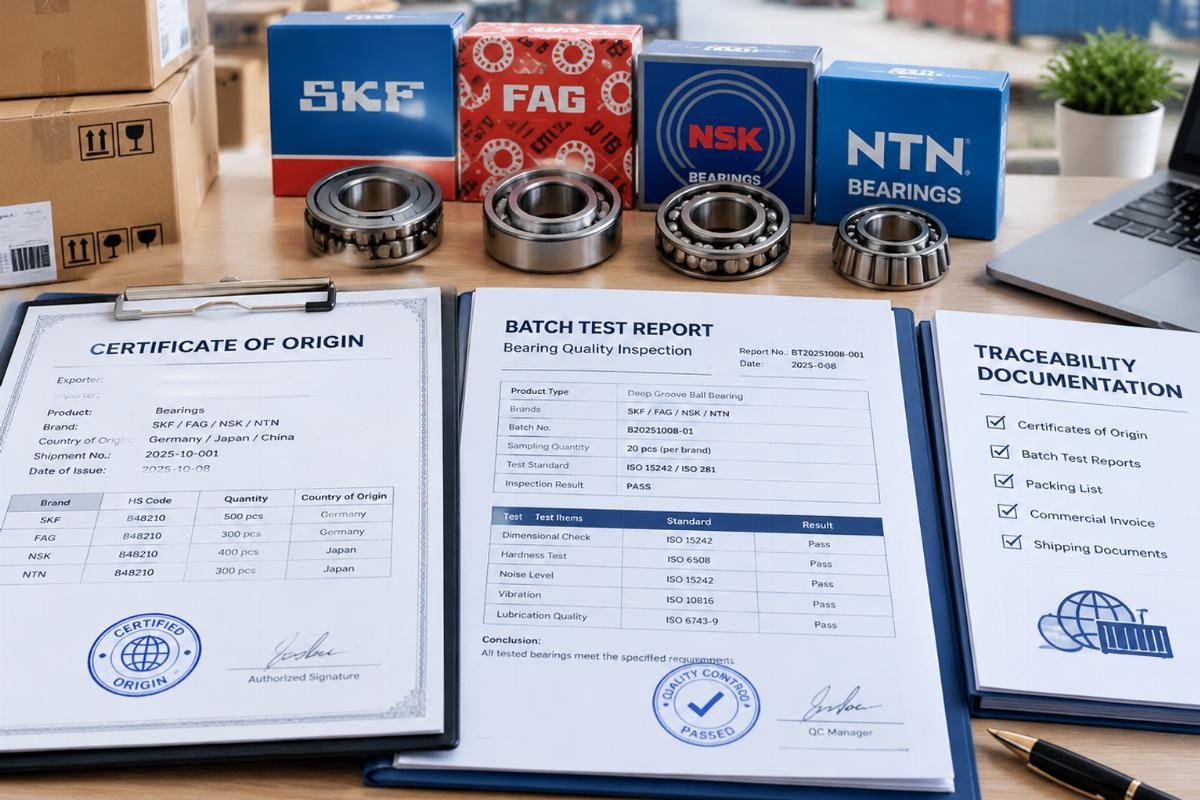
Ensuring that your bearing packaging differences between brands are supported by comprehensive documentation transforms a potential liability into a verified asset. It demonstrates professionalism and compliance, reducing the likelihood of inspections and delays. For distributors managing complex supply chains, this administrative diligence is as important as the physical quality of the packaging itself.
Conclusion
Packaging variations are standard, but verification is non-negotiable.
Recognizing that bearing packaging differences between brands are normal prevents unnecessary alarm, while rigorous inspection of inner seals and traceability documents ensures product integrity. By focusing on authentic preservation methods and proper documentation, buyers can navigate customs smoothly and maintain zero-rust inventory standards.

Written by
authorEditor covering global sourcing, supplier verification, and industrial product knowledge. Content is compiled from manufacturer specifications, industry standards, and hands-on experience with international B2B buyers. Every article is fact-checked before publishing to help procurement professionals make informed decisions.
View all posts

Leave a Reply