Fix Suffix Mismatches After Substitution: Bulk Bearing Supplier
Rubber seals are not universally superior to metal shields.
Bearing suffix mismatches in seal types and internal clearances are the primary cause of substitution failures, leading to equipment overheating and costly returns rather than operational improvements.
I still recall the silence on the other end of the line when a major motor manufacturer in the Middle East called me back. It was early in my transition from the warehouse floor to international trade. I had shipped a container of deep groove ball bearings, confident that swapping a metal-shielded unit for a rubber-sealed one offered better protection against dust. I was wrong. The client installed them in high-speed motors, and within days, the units began to overheat and seize. The return freight cost exceeded the value of the cargo itself. That loss taught me that suffix letters are not arbitrary codes; they dictate physical limits. A single letter difference between ZZ and 2RS, or the omission of a C3 clearance code, can turn a routine maintenance replacement into a catastrophic failure. [NEED_CITE: ISO bearing designation standards for suffix meanings]

Understanding these nuances is critical for any procurement professional managing bulk replacements. This guide breaks down the logic behind suffixes to help you avoid common pitfalls.
Why Do Bearing Substitutions Fail After Delivery?
Suffix letters dictate physical limits, not just dimensions. Many buyers assume that if the bore, outer diameter, and width match, the bearing will work. This assumption ignores the internal architecture defined by the suffix. When substituting brands or upgrading specifications, the suffix determines how the bearing handles heat, speed, and contamination.
The most frequent error occurs when buyers prioritize contamination protection without considering thermal dynamics. Metal shields (ZZ) offer low friction and are suitable for high-speed applications where heat generation must be minimized. Rubber seals (2RS) provide superior sealing against liquids and fine dust but introduce significant friction. In high-speed motors, this friction generates heat that the lubricant cannot dissipate, leading to premature grease breakdown and bearing lock-up. [NEED_CITE: Thermal limit comparisons between shielded and sealed bearings]
Another critical factor is internal clearance. Standard clearance (C0) is sufficient for many general applications. However, when bearings are mounted with interference fits or operate in high-temperature environments, the inner ring expands more than the outer ring. Without extra clearance, such as C3, the rolling elements become jammed. This jamming creates excessive load on the balls and races, causing rapid fatigue and failure. Ignoring the clearance suffix during substitution is a common oversight that results in immediate downtime upon startup.

Procurement teams must verify that the suffix logic aligns with the original equipment manufacturer (OEM) specifications. Substituting a bearing with a different suffix without analyzing the operational context is a gamble with expensive consequences.
What Are the Costliest Suffix Mismatches?
Seal friction and clearance jamming cause the majority of field failures. To visualize the impact, consider the following comparison of common suffix mismatches and their operational consequences.
| Mismatch Type | Original Spec | Substituted Spec | Operational Consequence | Risk Level |
|---|---|---|---|---|
| Seal Type | ZZ (Metal Shield) | 2RS (Rubber Seal) | Increased friction leads to overheating in high-speed applications. Grease degrades rapidly. | High |
| Clearance | C3 (Extra Clearance) | C0 (Standard Clearance) | Internal jamming due to thermal expansion or interference fit. Causes immediate seizure. | Critical |
| Cage Material | No Suffix (Steel) | TN9 (Polyamide) | Chemical incompatibility with certain lubricants or temperature limits exceeded. | Medium |
| Precision | P0 (Normal) | P6 (Higher Precision) | Unnecessary cost increase with no performance benefit in non-critical applications. | Low |
A European wind farm operator once faced a severe issue after substituting main shaft bearings. The original specification called for C4 clearance to accommodate heavy loads and temperature fluctuations. The substitute supplier provided C3 clearance bearings, arguing it was “close enough.” The result was not immediate failure but a noticeable drop in RPM limits and increased vibration levels. The cost to replace the spindle and recover lost energy production far outweighed the savings from the cheaper bearings. [NEED_CITE: Industry failure analysis reports on wind turbine bearing clearances]
In another case, a mining company in Africa replaced standard ZZ bearings with 2RS variants to combat dusty conditions. While the sealing improved, the motors driving the conveyor belts began to fail within weeks. The added friction from the rubber seals raised the operating temperature beyond the grease rating. The maintenance team had to revert to ZZ shields with external labyrinth seals, a solution that balanced protection and thermal management.
These examples highlight that the costliest mismatches are not always about immediate breakage. They often manifest as reduced efficiency, shortened service life, or unexpected maintenance cycles. Verifying the suffix logic before shipping prevents these hidden costs.

How to Verify Suffix Logic Before Shipping?
Cross-check seal types and clearance codes against OEM specs. Verification requires a systematic approach that goes beyond matching part numbers. Start by decoding the suffix matrix of the original bearing. Identify the seal type, internal clearance, cage material, and any special treatments.
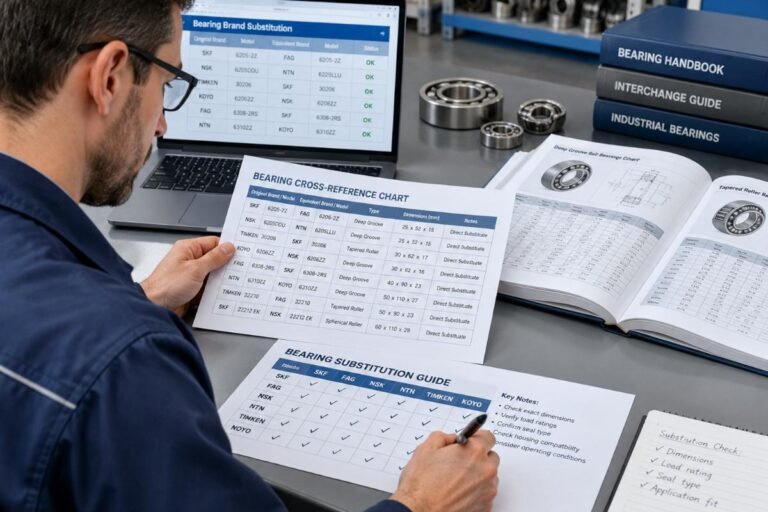
Next, compare this matrix with the proposed substitute. If the brand changes, ensure that the suffix conventions align. For instance, some manufacturers use different letters for similar features. A direct translation of suffixes may not always apply. Consult the technical catalogs of both the original and substitute brands to confirm equivalence. [NEED_CITE: OEM technical catalogs for suffix cross-referencing]
For bulk orders, implement a pre-shipment inspection protocol. Randomly sample bearings from the batch and verify the markings on the rings. Ensure that the suffixes stamped on the bearings match the purchase order. Discrepancies here often indicate mixing of batches or errors in packaging.
Consider the application environment when verifying. For high-temperature applications, confirm that the grease compatible with the seal material can withstand the operating range. For high-speed applications, verify that the seal type does not exceed the permissible speed limit. If the original bearing used a specific cage material for chemical resistance, ensure the substitute offers equivalent protection.
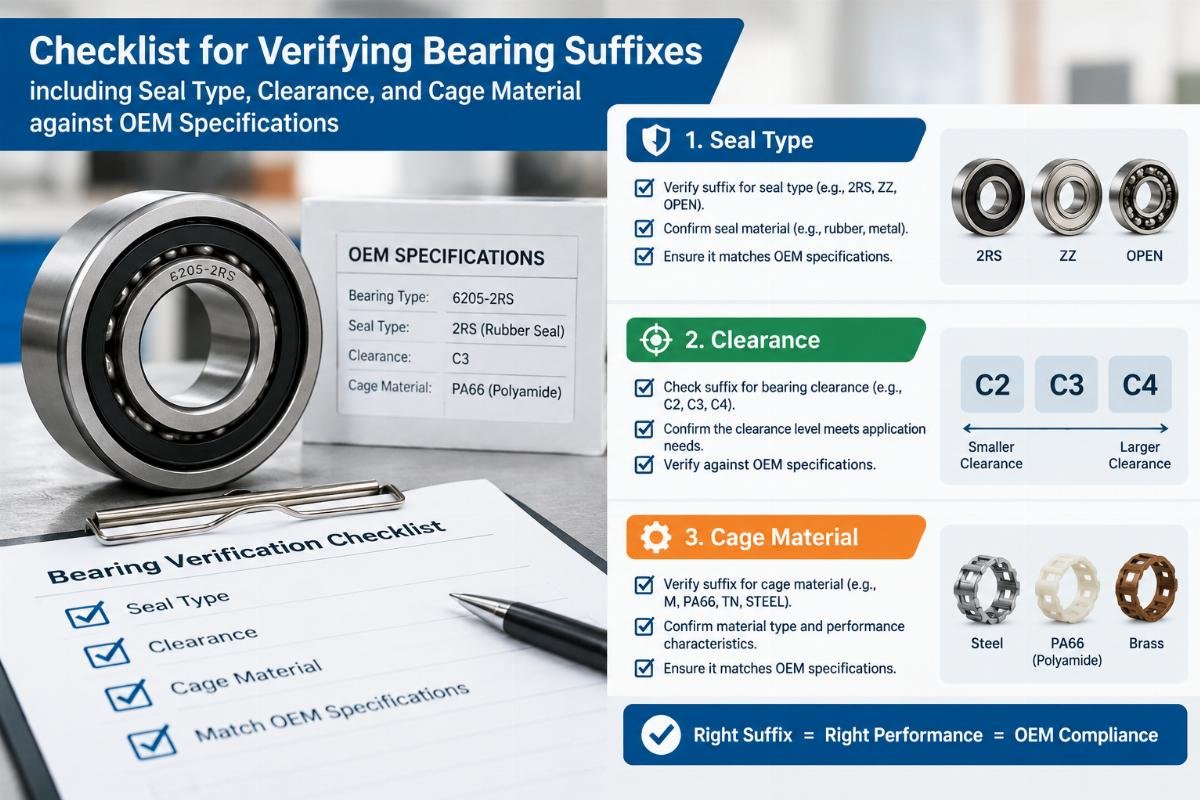
This verification step is crucial for maintaining trust with end-users. It demonstrates a commitment to quality and technical accuracy, reducing the risk of returns and claims.
How to Manage Mixed-Brand Suffix Packages?
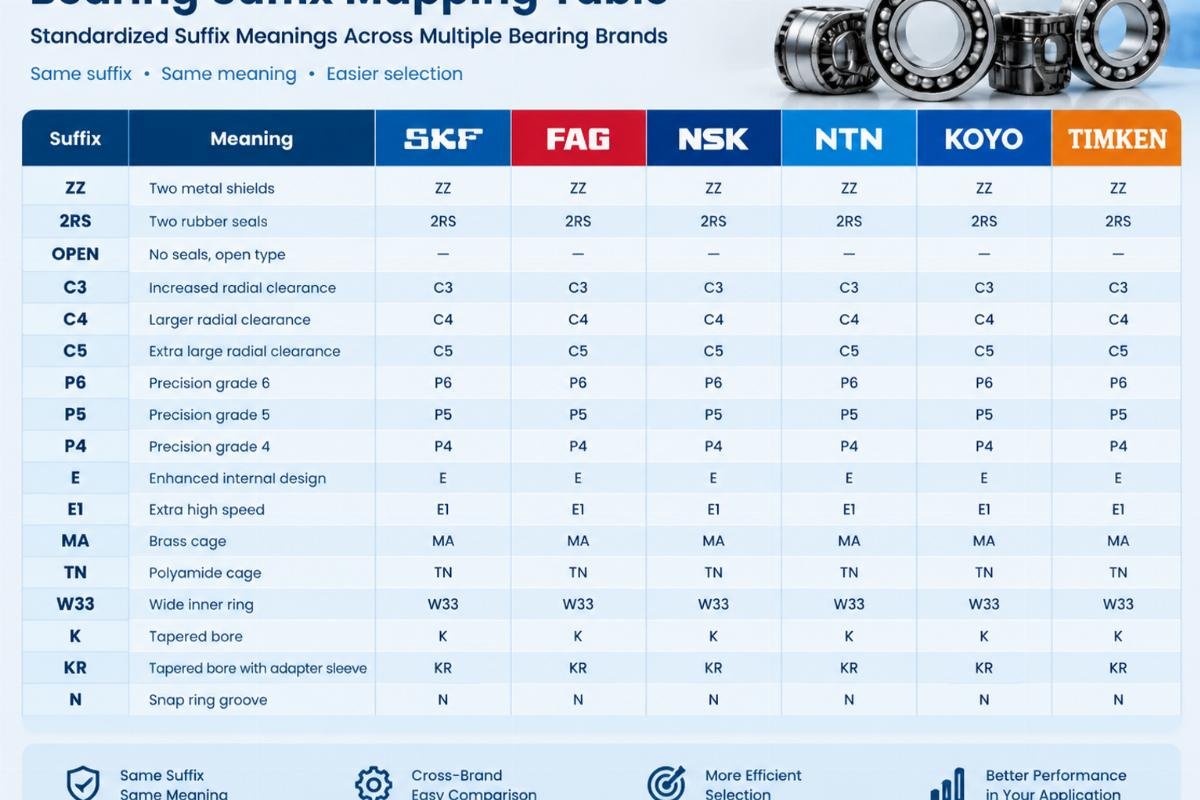
Standardize suffix rules across brands for bulk consolidation. When sourcing from multiple brands to fulfill a large order, inconsistencies in suffix notation can lead to confusion. Establish a internal standard that maps the suffixes of different brands to a common functional description.
For example, create a reference table that lists all acceptable equivalents for key suffixes. Include notes on any deviations or special requirements for each brand. This table serves as a guide for the procurement and quality control teams. It ensures that everyone involved in the process understands the technical implications of each suffix.
When consolidating mixed-brand containers, label each pallet clearly with the functional specifications rather than just the part number. Include details on seal type, clearance, and precision class. This practice helps warehouse staff and end-users identify the correct bearing for their application, even if the brand varies.
A distributor in Southeast Asia successfully reduced rejection rates by implementing this strategy. They created a standardized suffix guide for their top five suppliers. By training their sales and support teams on this guide, they were able to answer customer queries more accurately and prevent incorrect substitutions. The result was a significant improvement in customer satisfaction and a decrease in return freight costs. [NEED_CITE: Industry best practices for mixed-brand inventory management]
Managing mixed-brand packages requires attention to detail and a deep understanding of bearing terminology. By standardizing suffix rules, you can streamline the procurement process and ensure consistent quality across different brands.
Conclusion
Suffix accuracy prevents operational failure.
Correctly interpreting bearing suffixes for seals and clearances is essential for successful substitution. Avoiding mismatches requires verifying technical specifications against operational needs rather than relying on part number similarities alone.

Written by
authorEditor covering global sourcing, supplier verification, and industrial product knowledge. Content is compiled from manufacturer specifications, industry standards, and hands-on experience with international B2B buyers. Every article is fact-checked before publishing to help procurement professionals make informed decisions.
View all posts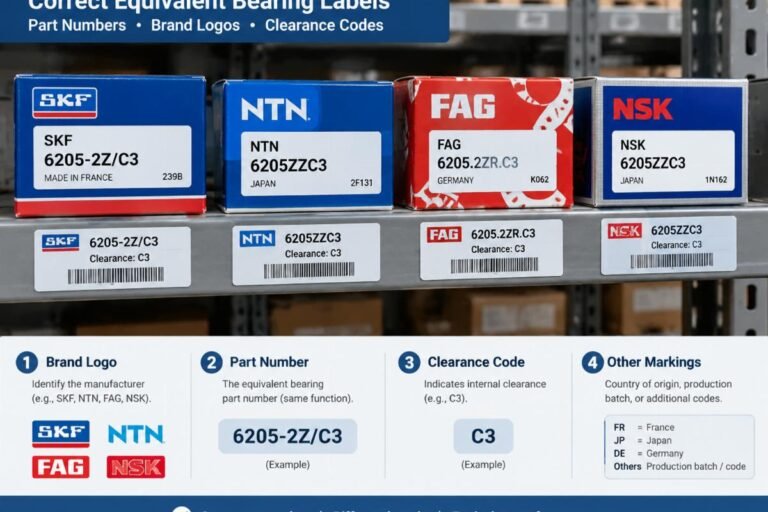

Leave a Reply