Grundfos Pump Bearing Equivalents: Cross-Reference & Wholesale Supplier
Exact dimensional matching does not guarantee a safe replacement for Grundfos pumps.
Selecting reliable Grundfos pump bearing equivalents requires matching internal clearance classes and temperature ratings to specific operating conditions, rather than simply copying outer dimensions.
I still remember the smell of burnt oil in that Dubai workshop. A maintenance team had replaced a failed circulation pump bearing with what they thought was an identical part. The outer diameter, inner diameter, and width were perfect matches. Yet, within two weeks, the cage shattered, causing catastrophic damage to the pump housing. The issue was not the size. It was the internal clearance. They had installed a standard C0 clearance bearing in an application that demanded C3 due to thermal expansion. This mistake cost them days of downtime and a significant claim. [NEED_CITE: common causes of premature bearing failure in centrifugal pumps]
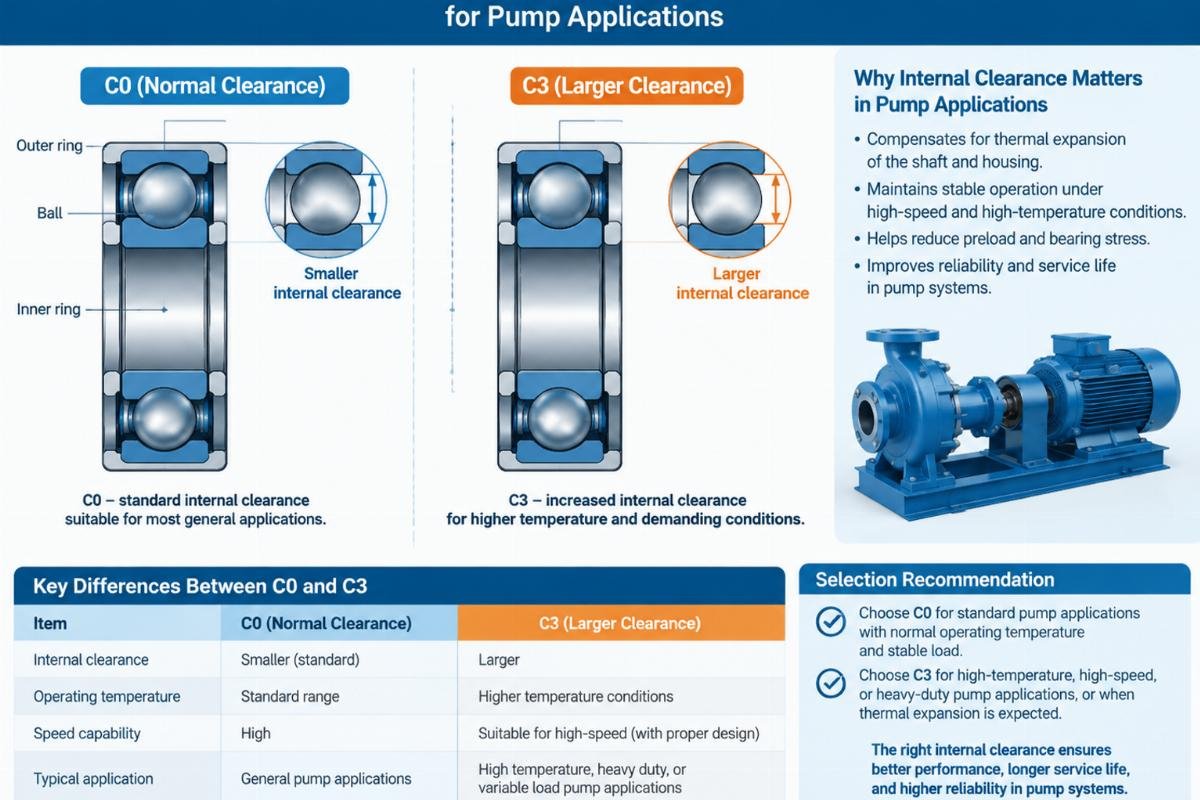
This experience highlights why sourcing Grundfos pump bearing equivalents is a technical challenge, not just a logistical one. For MRO operators and distributors, understanding the nuance behind the part number is critical to avoiding repeated failures.
Why Dimension Matching Fails in Grundfos Pumps?
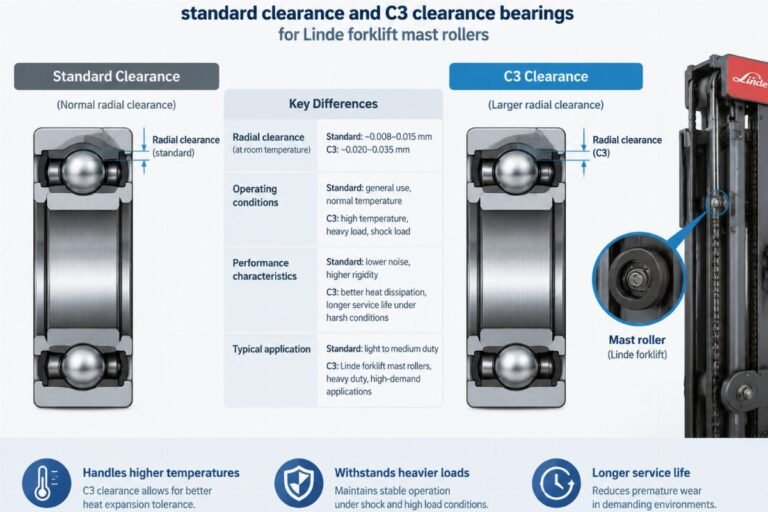
Many buyers assume that if a bearing fits physically, it will function correctly. This is a dangerous misconception when dealing with high-efficiency circulation pumps. Grundfos designs their pumps with tight tolerances and specific thermal management strategies. When a pump operates, the shaft heats up and expands. If the bearing internal clearance is too tight, this expansion creates excessive preload.
The result is rapid heat generation, lubricant breakdown, and eventual cage failure. [NEED_CITE: impact of thermal expansion on bearing preload in closed systems] Standard commercial bearings often come with normal clearance (C0), which is suitable for general electric motors but insufficient for pump applications where temperature differentials are significant.
In my early days at the assembly line in Suzhou, we saw this repeatedly. A bearing might look identical to the original SKF or FAG unit, but without the correct C3 or even C4 clearance, it would fail prematurely. The solution is not to guess. It is to verify the clearance class specified in the pump’s technical manual or by measuring the original failed unit’s play, if documentation is missing.
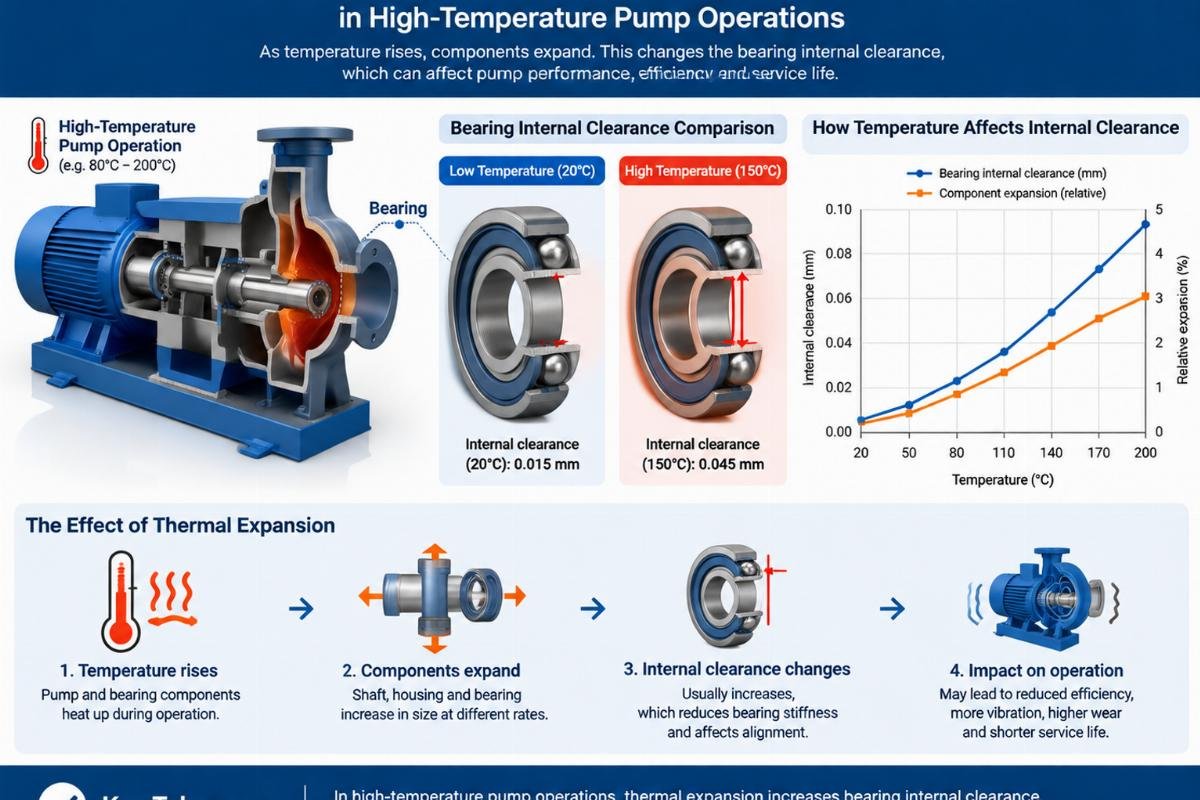
For distributors stocking replacements, this means you cannot rely solely on dimension-based cross-references. You must stock bearings with verified clearance classes. Ignoring this detail turns a simple spare part into a liability.
How to Cross-Reference Bearing Specifications Correctly?
To find true Grundfos pump bearing equivalents, you must look beyond the basic dimensions. A proper cross-reference involves three key parameters: internal clearance, dimensional tolerance, and operating temperature limits.
First, check the internal clearance. Most Grundfos circulation pumps require C3 clearance. For high-temperature boiler feed applications, C4 may be necessary. Second, verify the dimensional tolerance. Precision grades like P6 or P5 ensure the bearing runs smoothly with minimal vibration, which is crucial for maintaining the efficiency of the pump. [NEED_CITE: ISO tolerance classes for rolling bearings in precision machinery] Third, consider the cage material and lubrication. Standard steel cages may not withstand certain chemical environments or high temperatures, requiring polymer or brass alternatives.
Here is a comparison of what matters when selecting equivalents:
| Specification | Standard Commercial Bearing | Recommended Pump Equivalent |
|---|---|---|
| Internal Clearance | C0 (Normal) | C3 or C4 (Increased) |
| Dimensional Tolerance | P0 (Normal) | P6 or P5 (Precision) |
| Cage Material | Standard Steel | Polyamide or Brass (High Temp) |
| Lubrication | General Purpose | High-Temperature Synthetic |
A European wind farm operator once faced repeated failures in their cooling system pumps. They were using standard bearings sourced from a low-cost supplier. After switching to equivalents with C3 clearance and P6 tolerance, the mean time between failures increased substantially. The key was not the brand name, but the specification match. [NEED_CITE: case studies on bearing specification impact on pump reliability]
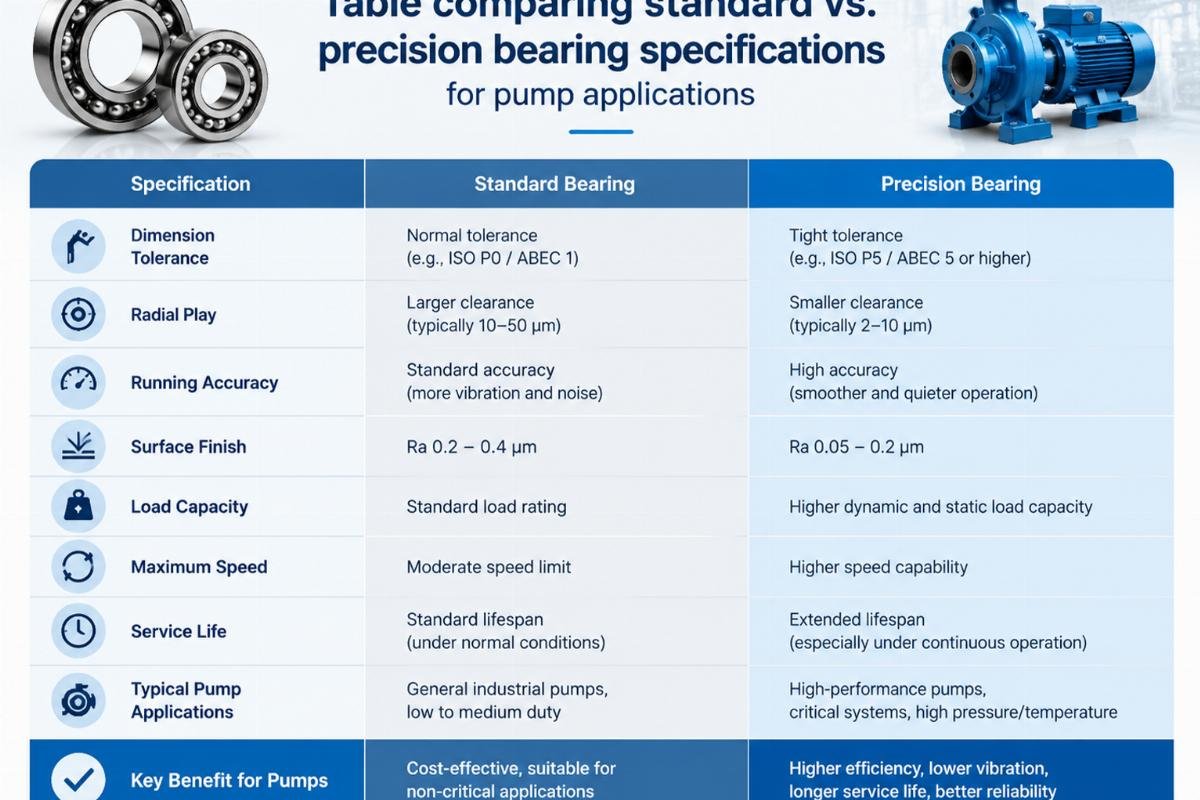
When evaluating suppliers, ask for datasheets that explicitly state these parameters. If a supplier cannot provide clearance and tolerance details, they are likely selling generic stock that may not meet the rigorous demands of Grundfos pumps.
Which Alternative Brands Offer Reliable Equivalents?
The market is flooded with options, but not all are created equal. While premium OEM brands like SKF, FAG, and NSK are the gold standard, they are not the only viable options. The real key is verifying traceability and application-specific ratings of alternative brands.
Many high-quality Chinese manufacturers now produce bearings that meet ISO standards and offer genuine equivalents for Grundfos pumps. Brands such as ZWZ, HRB, and LYC have improved their quality control significantly. However, the risk lies in counterfeits and inconsistent batches.
| Brand Category | Traceability | Consistency | Cost Efficiency |
|---|---|---|---|
| Premium Global (SKF, FAG, NSK) | Full Batch-Level | High | Lower |
| Reliable Domestic (ZWZ, HRB, LYC) | Verifiable | Standard | Higher |
| Unbranded/Generic | None | Low | Highest |
For MRO operators, sourcing from a supplier who offers mixed-brand consolidation can be a game-changer. Instead of managing multiple accounts for different brands, a single supplier who stocks genuine products from both global and reputable domestic lines can simplify procurement. This approach reduces lead times and allows for better inventory management. [NEED_CITE: benefits of consolidated bearing sourcing for MRO operations]
I have seen distributors in Southeast Asia reduce their SKU complexity by partnering with suppliers who can provide technical cross-reference support. They no longer need to guess which local brand matches a specific Grundfos model. The supplier provides the verified equivalent, complete with documentation.

When selecting an alternative, ensure the supplier can provide material certifications and batch test reports. This level of transparency is what separates a reliable partner from a mere trader.
How to Verify Authenticity and Avoid Fake Bearings?
Counterfeit bearings are a pervasive issue in the global market. They often look identical to genuine products but lack the metallurgical quality and precision required for demanding applications. Using a fake bearing in a Grundfos pump is a recipe for disaster.
To avoid fakes, demand traceability documents. A genuine bearing should come with a certificate of origin and material test reports. Inspect the packaging carefully. Look for holograms, serial numbers, and consistent printing quality. [NEED_CITE: guidelines for identifying counterfeit rolling bearings]
A Middle East steel mill once suffered a major production halt due to a batch of counterfeit bearings. The packaging looked authentic, but the bearings themselves had poor surface finish and incorrect hardness. The lesson learned was to never rely on visual inspection alone. Always verify the supply chain.
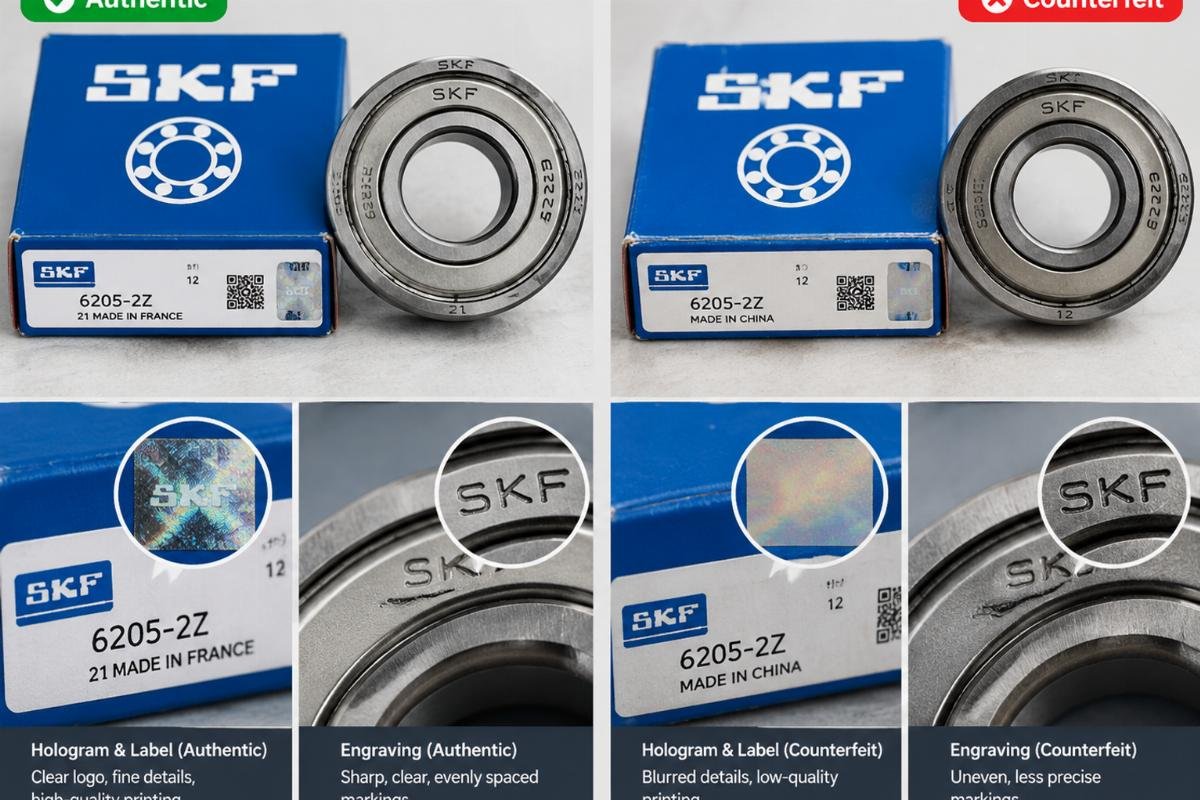
Working with a supplier who has direct relationships with manufacturers and maintains strict quality control protocols is essential. They should be able to track every bearing back to its production batch. This level of accountability protects your equipment and your reputation.
Conclusion
Selecting the right Grundfos pump bearing equivalents is about precision, not just size.
Ignoring internal clearance and temperature ratings leads to premature failure and costly downtime. By focusing on technical specifications and verifying authenticity through traceable sources, you can ensure reliable performance and extend the lifespan of your pumping systems.

Written by
authorEditor covering global sourcing, supplier verification, and industrial product knowledge. Content is compiled from manufacturer specifications, industry standards, and hands-on experience with international B2B buyers. Every article is fact-checked before publishing to help procurement professionals make informed decisions.
View all posts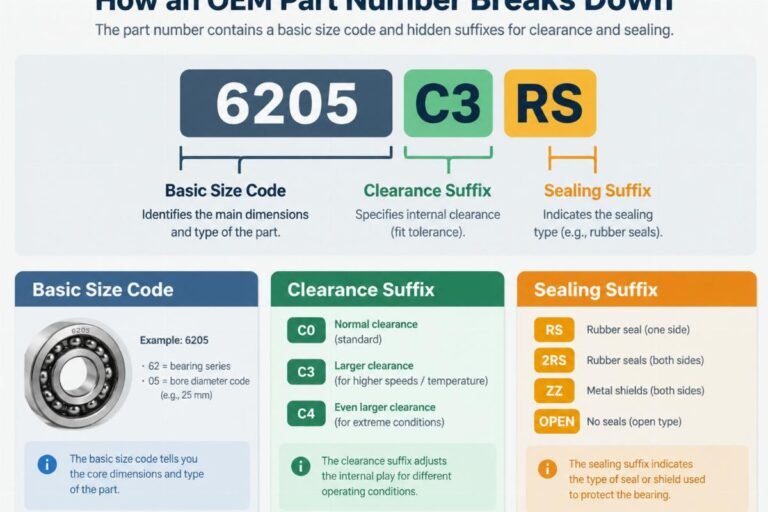

Leave a Reply