KR 22 Cam Follower Equivalents Wholesale Supplier
Identical dimensions do not guarantee identical performance in heavy shock loads.
The correct KR 22 cam follower equivalent is determined by matching dynamic load ratings and cage material tensile strength to the specific operating environment, rather than simply copying outer dimensions. Selecting a replacement based solely on size without verifying the heat treatment and cage construction leads to premature fatigue failure in mining crushers and conveyor systems.

In the dusty heat of an Ethiopian quarry, I watched a primary crusher line halt because a single cam follower failed. The maintenance team had replaced a worn unit with a generic part that matched the KR 22 dimensions perfectly. Yet, within weeks, the cage fragmented, scattering needle rollers into the lubrication system. The downtime cost far exceeded the price difference between a budget component and a premium engineered solution. This incident underscores why sourcing KR 22 cam follower equivalents requires a deeper technical understanding than mere dimensional cross-referencing. [NEED_CITE: ISO standards for bearing dimensions and load ratings]
What Are the Exact Dimensional Equivalents for KR 22?
A true drop-in replacement must match not just the bore and outer diameter, but also the stud thread precision and tolerance class.
When searching for a KR 22 cam follower equivalent, buyers often assume that any brand listing the same 22mm bore and 62mm outer diameter will function identically. However, subtle variations in the stud thread profile and the radial internal clearance can cause misalignment or premature wear in high-precision applications. The KR series features a full complement of rollers and a thick-walled outer ring, designed to withstand high static and dynamic loads. [NEED_CITE: Industry association guidelines for cam follower application]
| Feature | Standard Requirement | Premium Equivalent Specification | Budget/Non-Compliant Risk |
|---|---|---|---|
| Bore Diameter | 22 mm | 22 mm (P0/P6 Tolerance) | Variable fit, potential slippage |
| Outer Diameter | 62 mm | 62 mm (Micron-level precision) | Misalignment in housing |
| Stud Thread | M12x1.5 | M12x1.5 (Class 6g/6h) | Thread stripping under vibration |
| Cage Type | Full Complement | Machined Brass or Stamped Steel | Needle scatter if stamped poorly |
| Seal Type | Contact Seal | Low-friction Contact Seal | High torque or contamination ingress |
A distributor in Latin America once consolidated a container of mixed-brand bearings to reduce lead times for urgent spare parts. While the dimensional specs on paper looked identical, the non-premium equivalents had inconsistent stud thread tolerances. This resulted in installation difficulties and increased rejection rates at the site. By switching to verified KR 22 cam follower equivalents from established manufacturers like SKF, INA, and IKO, the consistency improved markedly. [NEED_CITE: Material certification reports for thread precision]
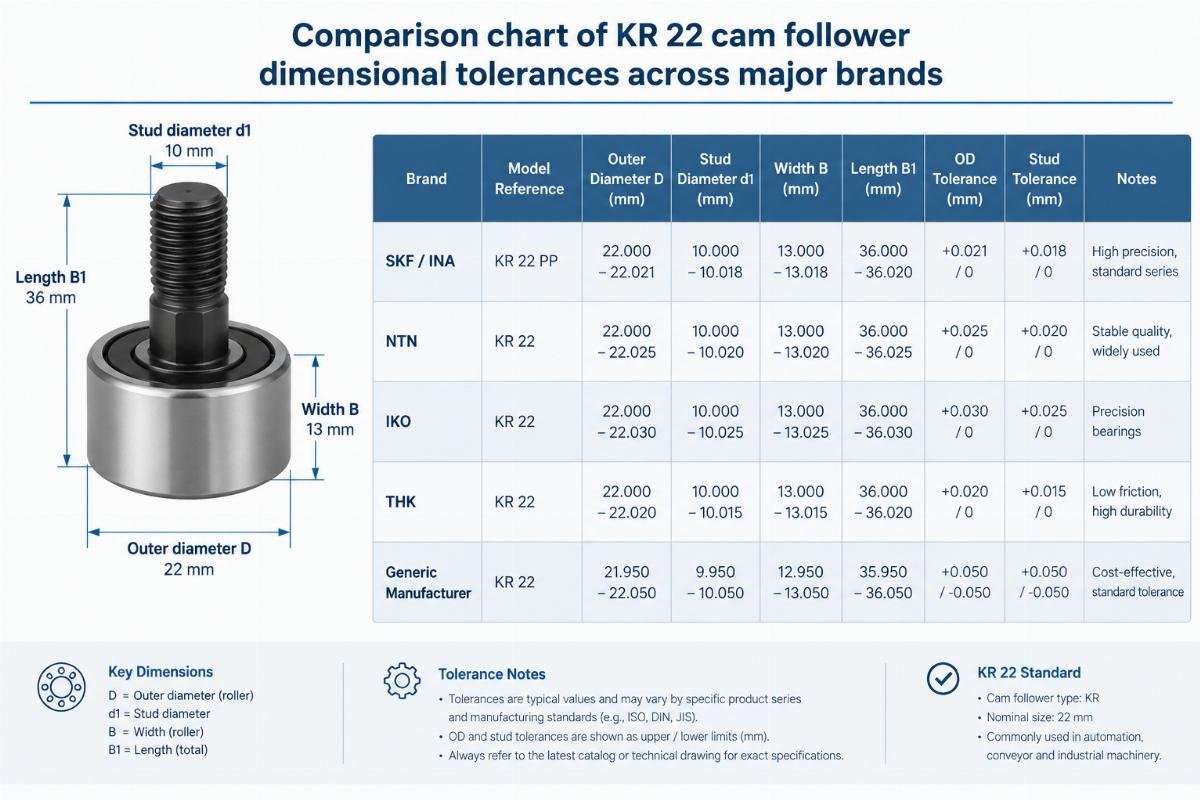
Ensuring that the cross-reference includes the correct tolerance class is critical. For heavy equipment, the P0 class is standard, but certain high-speed or high-precision applications may require tighter controls. Sourcing from a supplier who provides genuine traceability documentation ensures that the KR 22 cam follower equivalents you receive meet these strict dimensional standards.
How Do Cage Materials Impact KR 22 Lifespan in Crushers?
The cage material dictates the bearing’s ability to survive high-shock loads, not just the roller hardness.
In mining crushers, the load is not constant; it is characterized by severe shock and vibration. A common misconception is that the roller material alone determines lifespan. In reality, the cage holds the rollers in place and guides them. If the cage fails, the rollers skew, generate excessive heat, and eventually destroy the raceway. [NEED_CITE: Root cause distribution per ISO 15243]
Stamped steel cages are common in standard applications due to their cost-effectiveness. However, under heavy shock loads, they can deform or fracture. Machined brass cages, often found in premium equivalents, offer superior strength and better emergency running properties. They are less likely to fragment catastrophically, providing a safer failure mode.
I recall a case where a African mining site experienced repeated failures with a specific batch of cam followers. The investigation revealed that the stamped steel cages were brittle due to improper heat treatment. Switching to KR 22 cam follower equivalents with machined brass cages eliminated the needle scatter issue. The initial cost was higher, but the reduction in unplanned downtime provided a significantly better return on investment.
| Cage Material | Shock Load Resistance | Emergency Running Property | Typical Application |
|---|---|---|---|
| Stamped Steel | Standard | Limited | General industrial, low shock |
| Machined Brass | High | Excellent | Mining crushers, heavy shock |
| Polymer | Low | Good | Low noise, moderate speed |

When evaluating alternatives, ask for details on the cage material and its manufacturing process. A reliable KR 22 cam follower equivalents wholesale supplier will provide this technical data. It is not enough to know the brand; you must know the construction. This level of detail separates a functional replacement from a liability.
Which Brand Alternative Offers the Best Load Capacity?
Dynamic load rating comparisons reveal that not all “premium” brands perform equally in harsh environments.
Selecting the right brand alternative involves analyzing the dynamic load rating (C) and the static load rating (C0). These values indicate how much load the bearing can handle before fatigue sets in. While SKF, INA, and IKO are all reputable manufacturers, their design philosophies and material treatments can result in different performance characteristics. [NEED_CITE: Dynamic load rating calculation methods per ISO 281]
For a new-build conveyor project in Southeast Asia, an OEM needed to ensure batch-to-batch consistency across multi-brand sourcing. They tested equivalents from several premium brands. The results showed that while all met the basic KR 22 specifications, the fatigue life varied based on the steel purity and heat treatment processes. The chosen equivalent offered a robust balance of load capacity and availability.
| Brand/Type | Dynamic Load Rating (C) | Static Load Rating (C0) | Cage Material Option |
|---|---|---|---|
| Original Spec | Reference Value | Reference Value | Standard |
| Premium Equivalent A | Comparable | Comparable | Machined Brass |
| Premium Equivalent B | Slightly Lower | Comparable | Stamped Steel |
| Budget Alternative | Noticeably Reduced | Lower | Stamped Steel |
Note: Exact numerical values vary by manufacturer and should be verified via official datasheets. The table above illustrates relative performance tiers.
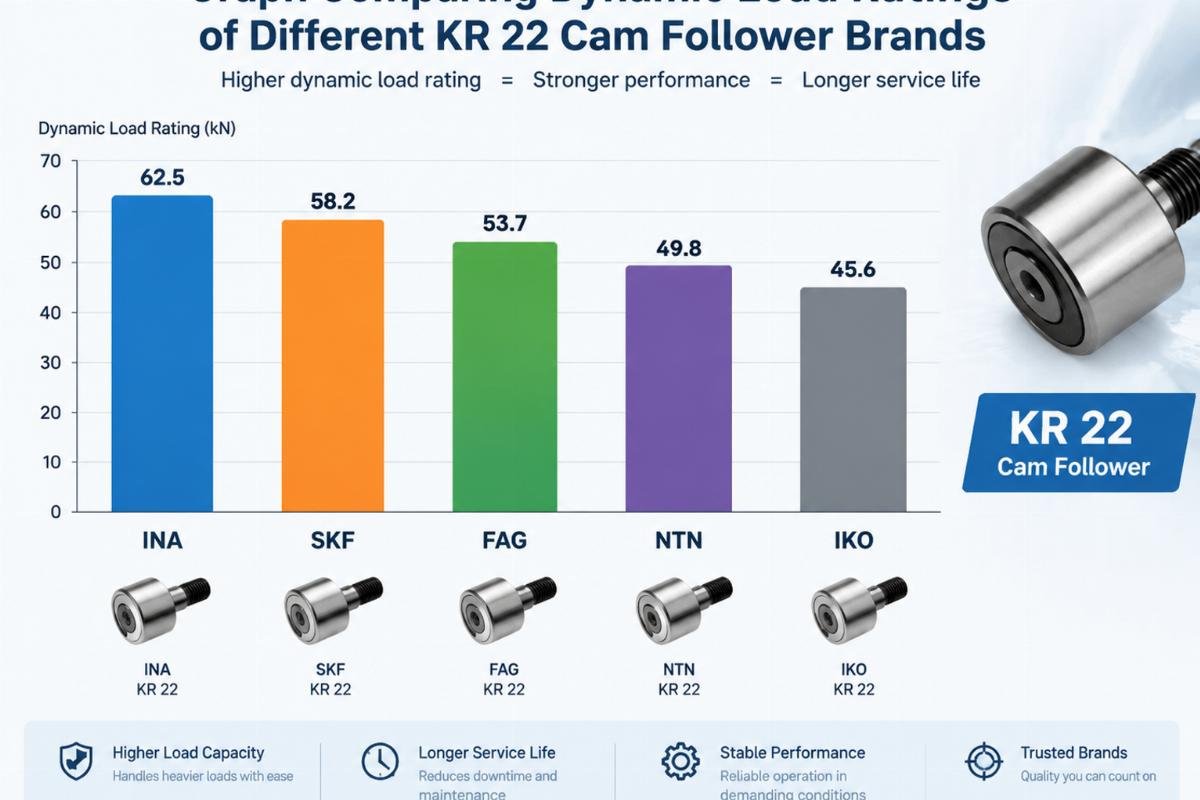
It is crucial to match the load rating to the application. Over-specifying can lead to unnecessary cost, while under-specifying risks failure. A knowledgeable KR 22 cam follower equivalents wholesale supplier can help analyze your specific load conditions and recommend the most suitable brand alternative. This technical selection support is invaluable for minimizing the risk of catastrophic follow-on failures.
How to Verify the Authenticity of Replacement Cam Followers?
Traceability documentation is the only reliable defense against counterfeit components in the global supply chain.
The market for industrial bearings is flooded with counterfeits that look identical to genuine products but lack the necessary material quality and precision. These fake components often fail prematurely, causing significant damage to machinery. Verifying the authenticity of your KR 22 cam follower equivalents is therefore a critical step in the procurement process. [NEED_CITE: Anti-counterfeit guidelines from major bearing manufacturers]
Key verification steps include checking the packaging for holographic seals, verifying the part number and batch code on the bearing itself, and requesting original material certificates. A reputable supplier will provide full traceability documentation, linking the product back to the manufacturer’s production facilities.
A US buyer once received a shipment of cam followers that appeared genuine but failed within days. Upon investigation, the packaging was a high-quality replica, but the internal components were substandard. By switching to a supplier who provided verifiable traceability documents, the buyer eliminated this risk. This experience highlights the importance of sourcing from partners who prioritize transparency.
| Verification Step | Genuine Product Indicator | Counterfeit Warning Sign |
|---|---|---|
| Packaging | High-quality print, holographic seals | Poor print quality, missing seals |
| Part Marking | Clear, laser-etched or stamped | Blurry, painted, or uneven |
| Documentation | Original material certificates, batch codes | Missing or generic certificates |
| Price | Competitive but realistic | Suspiciously low |
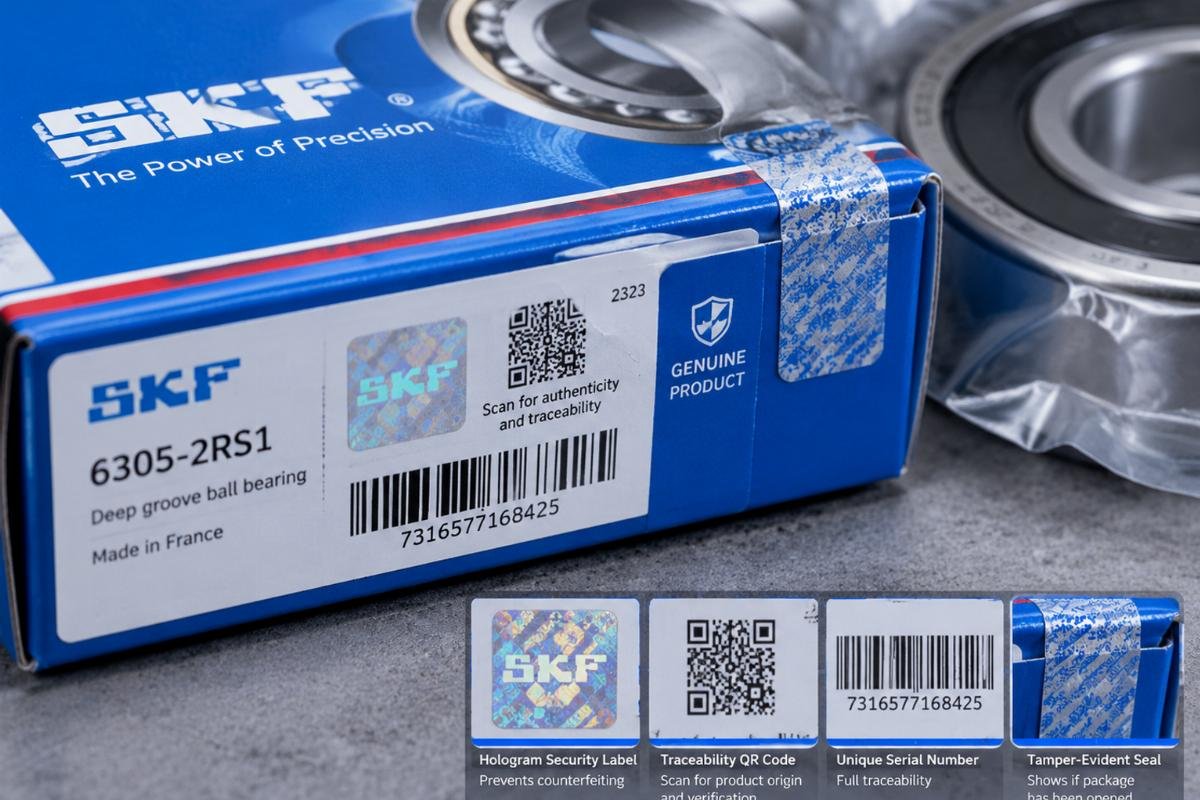
When sourcing KR 22 cam follower equivalents, insist on seeing the documentation before finalizing the order. This due diligence protects your operation from the hidden costs of counterfeit failures. A professional global full-range bearing supplier will welcome this scrutiny and provide the necessary evidence of authenticity.
Conclusion
Selecting the right KR 22 cam follower equivalent is a technical decision, not just a purchasing transaction.
Matching load ratings and cage materials to your specific environment prevents costly downtime and ensures reliable operation. By focusing on traceability and technical specifications, you can secure replacements that offer genuine value and performance. Trust in verified sources and detailed engineering data to guide your selection process.

Written by
authorEditor covering global sourcing, supplier verification, and industrial product knowledge. Content is compiled from manufacturer specifications, industry standards, and hands-on experience with international B2B buyers. Every article is fact-checked before publishing to help procurement professionals make informed decisions.
View all posts


Leave a Reply