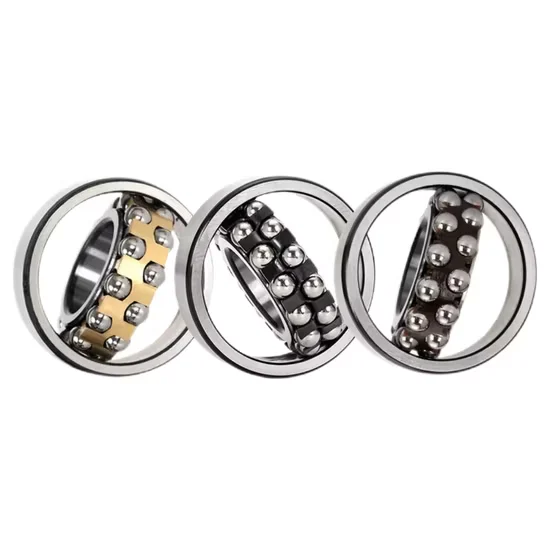
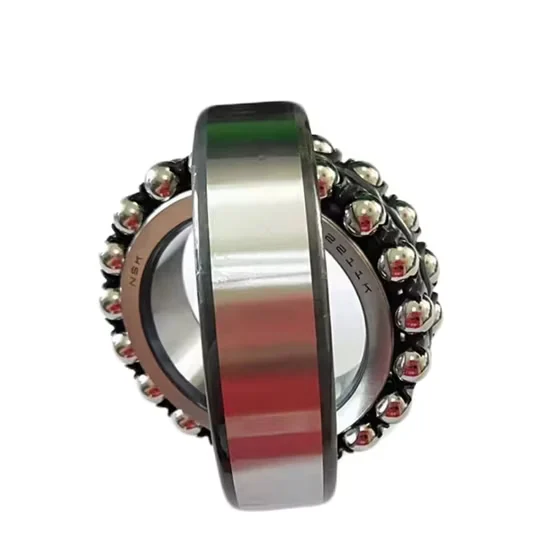
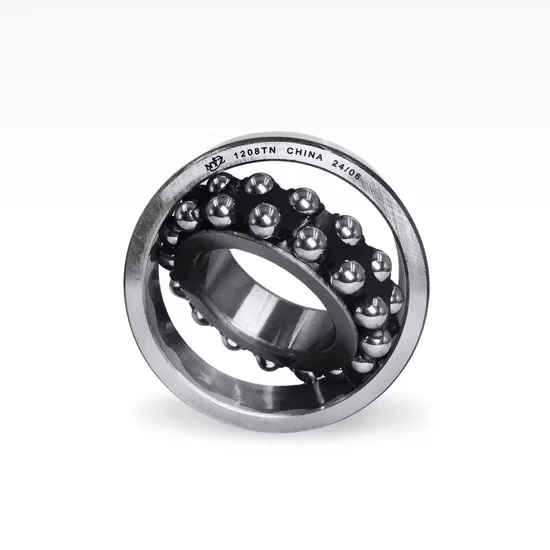
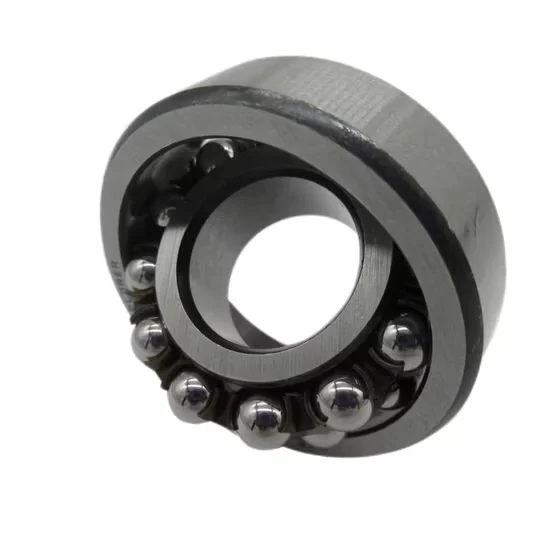
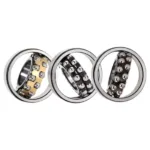
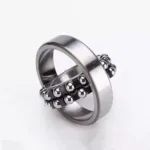
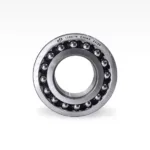
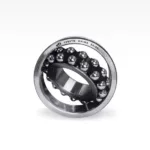
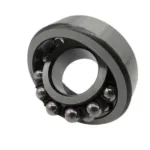
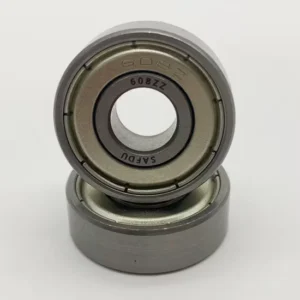
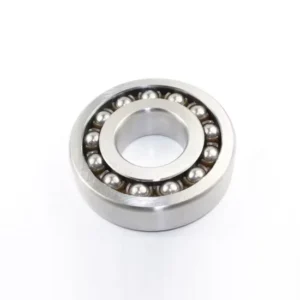
Multi-Brand Sourcing Consolidated — Procure KOYO, NTN, and NSK self-aligning ball bearings in a single mixed shipment without coordinating multiple vendors.
Technical Specifications
| Parameter | Value |
|---|
| Product Type | Self-Aligning Ball Bearing |
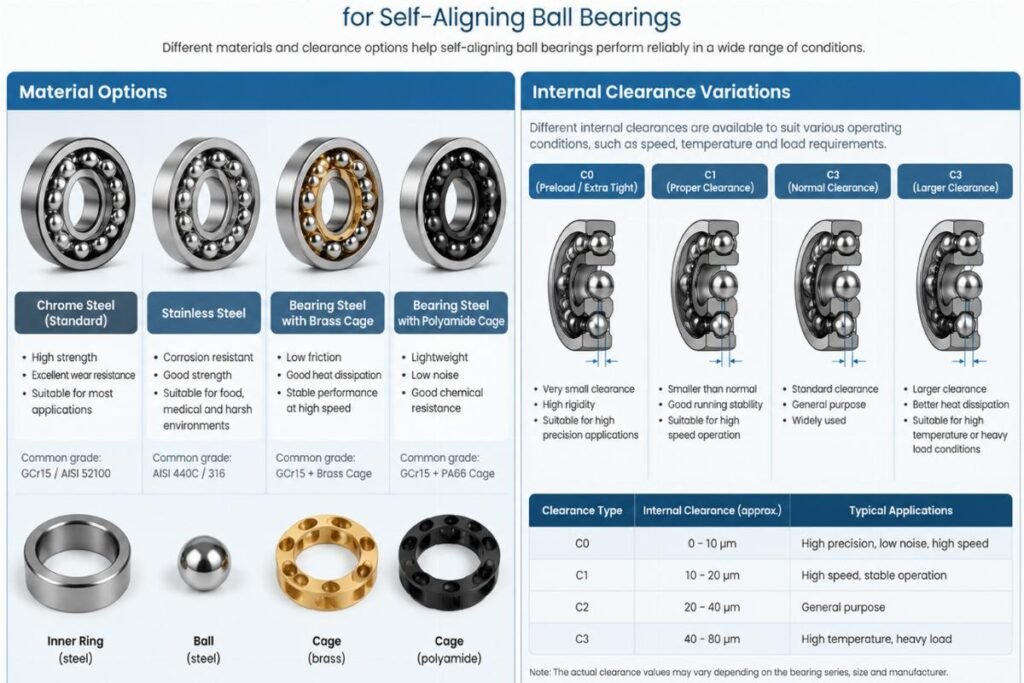
| Material Options | Chrome Steel Gcr15 / 100cr6 standard, stainless steel variants available |
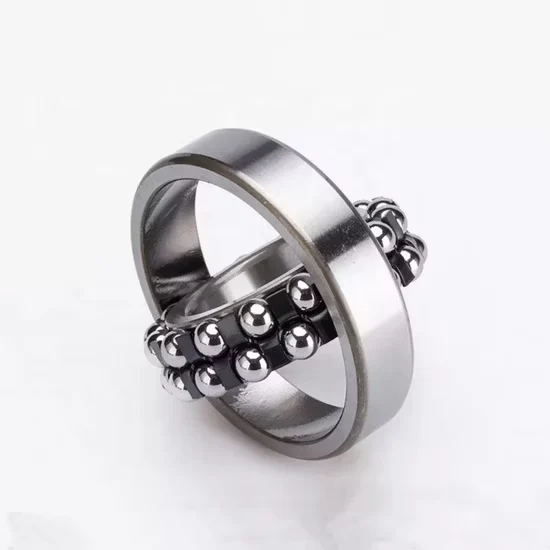
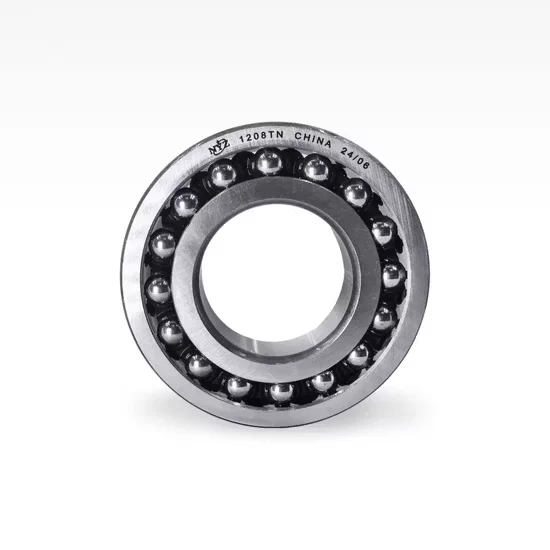
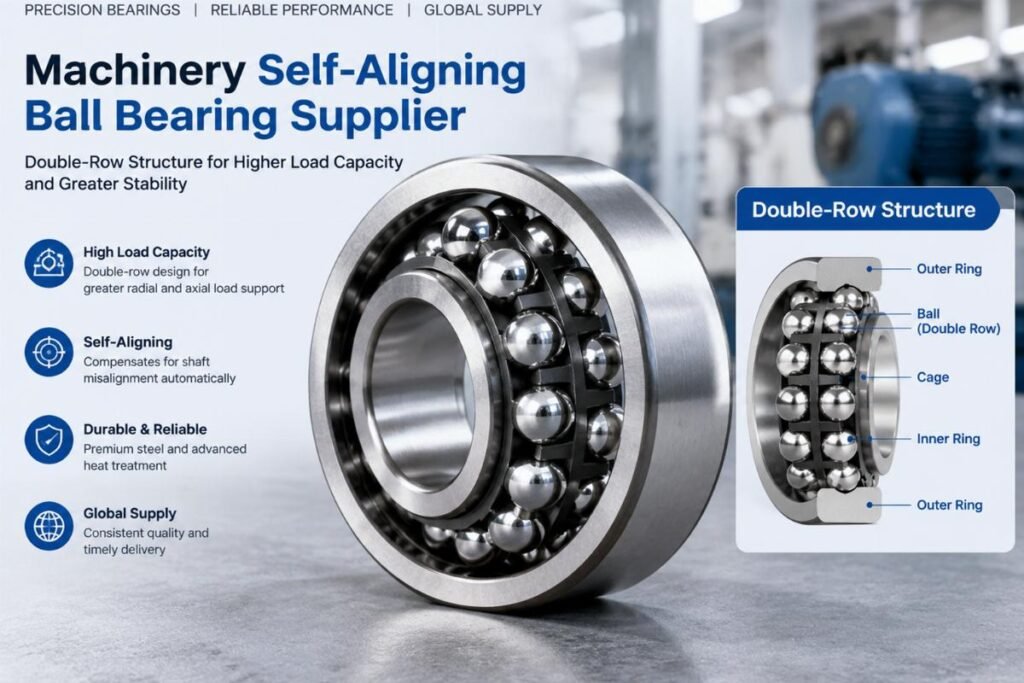
| Row Configuration | Double-Row |
| Origin | Shandong, China |
| Applications | Textile machines, Conveyor systems, Agricultural machinery, Woodworking machinery |
Application Suitability
| Industry | Typical Applications |
|---|
| Textile Manufacturing | Spinning frame drafting rollers and yarn guide mechanisms |
| Material Handling | Conveyor belt idler pulleys and transfer chute pivot points |
| Agricultural Operations | Harrow disc gangs and seed drill metering shafts |
| Woodworking | Spindle moulder tilt mechanisms and edge bander feed tracks |
Misalignment Tolerances Often Masked by a Reliable machinery self-aligning ball bearing supplier
The spherical outer ring raceway absorbs shaft deflection, preventing edge loading that destroys standard deep-groove alternatives.
When I first handled bearing documentation in Ningbo, a batch of self-aligning ball bearings was returned because the cage material and internal clearance were mismatched for the textile machinery. Vibration levels exceeded acceptable limits, leading to a complete batch rejection and severe financial penalties. Selecting the correct internal geometry is just as critical as the basic bore size to avoid catastrophic edge stress. Many procurement engineers focus solely on the outer dimensions, overlooking how thermal expansion and shaft bending dynamically alter the internal contact angles during continuous operation. This oversight inevitably leads to premature fatigue and unplanned production halts [NEED_CITE: rolling bearing failure mode classification per ISO 15243].
Matching the Double-Row Configuration to Oscillating Loads
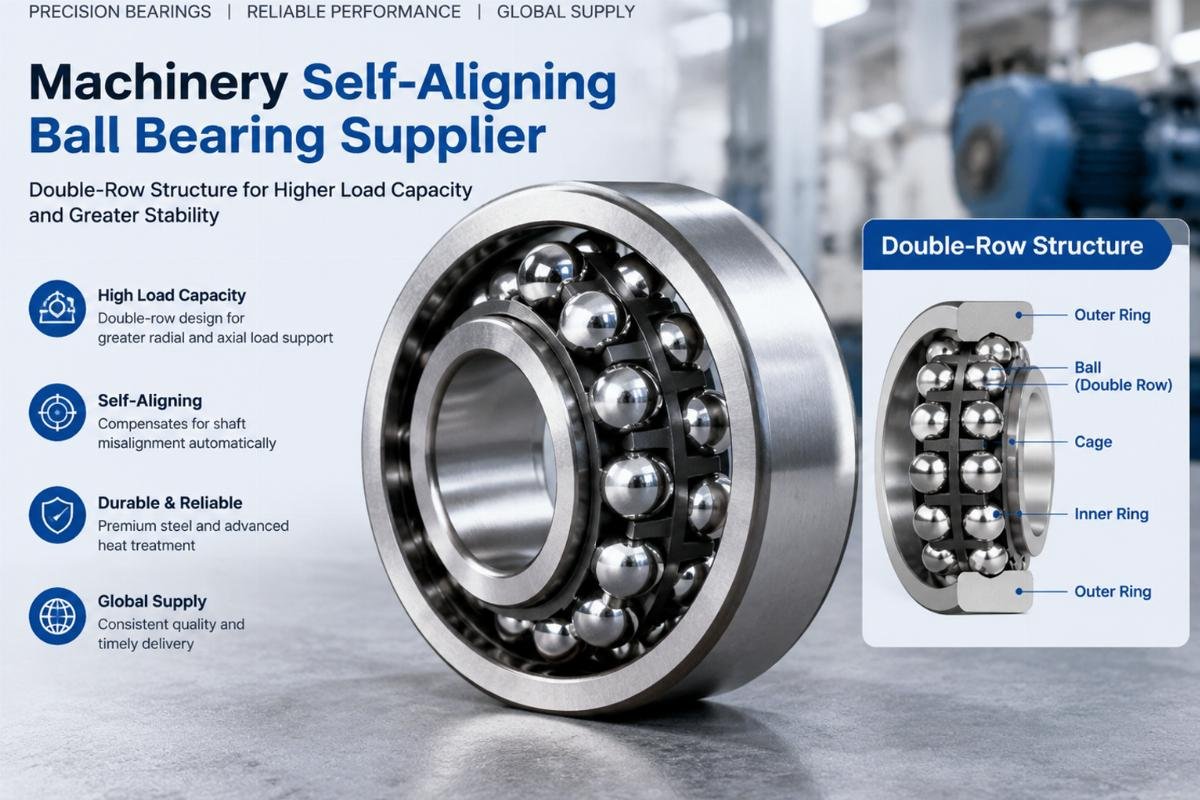
The double-row design inherently accommodates static and dynamic angular misalignment, making it ideal for shafts subjected to continuous flexing under variable loads. As a dedicated machinery self-aligning ball bearing supplier, we ensure the spherical raceway geometry precisely matches the housing bore to maintain optimal load distribution across both rows of rolling elements. This configuration prevents localized stress concentrations that typically accelerate fatigue in rigid bearing setups. Furthermore, the ability to self-align compensates for minor machining inaccuracies in the housing, significantly reducing installation time and the risk of initial mounting damage that plagues stiffer bearing types.
Managing Contamination and Lubrication Starvation in Heavy Dust
Agricultural and woodworking environments introduce abrasive particulates that rapidly degrade unprotected rolling elements and contaminate the grease reservoir. While open designs allow for high-speed operation and external relubrication, they require effective sealing solutions at the housing level to prevent grease washout and particle ingress. Elevated operating temperatures can also accelerate lubricant oxidation, demanding synthetic grease formulations with extended re-lubrication intervals to maintain a stable hydrodynamic film [NEED_CITE: thermal degradation of lubricants in rolling bearings]. Ensuring the correct clearance class compensates for thermal expansion during continuous duty cycles, preventing the internal geometry from binding when the shaft reaches its peak operating temperature.
Material Selection and Clearance Alignment for Dynamic Shafts
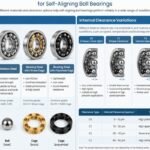
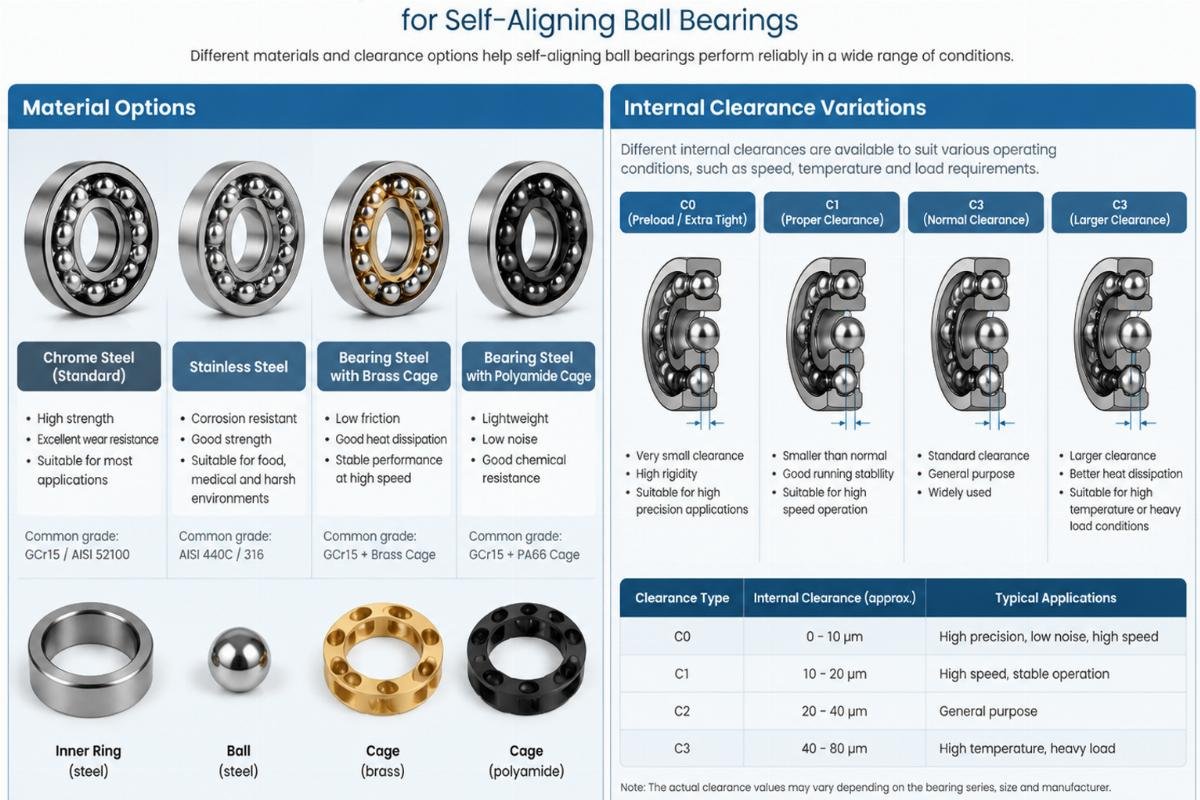
Chrome Steel Gcr15 provides excellent contact fatigue strength for standard industrial loads, while stainless steel variants are available for washdown environments in food processing or agricultural chemical exposure. The internal clearance must be carefully matched to the operating temperature and shaft interference fit; a standard clearance might bind under thermal expansion, necessitating a C3 or C4 equivalent to maintain operational stability. Cage material selection also plays a pivotal role, with pressed steel cages suitable for general purposes and polyamide or brass cages offering better performance under high vibration or marginal lubrication conditions. Understanding these material and geometric options ensures the selected unit survives the specific operational envelope without suffering from cage fracture or raceway smearing.
The Compounding Expense of Ignoring Internal Geometry
Specifying a standard clearance bearing for a high-temperature shaft leads to internal preload, generating excessive friction heat and eventual cage failure. Conversely, excessive clearance in a precision textile spindle causes unacceptable vibration, ruining product quality and triggering unplanned downtime across the entire production line. These premature failures void warranty claims and inflate maintenance budgets far beyond the initial component cost, especially when secondary damage occurs to adjacent gears or seals. Adhering to established failure analysis frameworks helps identify these root causes before they cascade into catastrophic equipment damage and prolonged operational outages [NEED_CITE: bearing life calculation principles per ISO 281].
Securing Traceability and Technical Equivalence Across Brands
Sourcing genuine components requires complete batch traceability, which we provide through original manufacturer documentation for every KOYO, NTN, or NSK unit shipped to your facility. When official channels face extended lead times, our engineering team provides cross-brand equivalent model consultation to identify exact dimensional and clearance matches that fit your existing housings. As a trusted machinery self-aligning ball bearing supplier, we maintain massive spot inventory covering thousands of standard part numbers, enabling flexible consolidation for mixed-brand project orders without delaying your maintenance schedule. Furthermore, our competitive sourcing costs compared to direct official channels optimize your procurement budget without compromising authenticity or performance. Long-term after-sales technical support ensures any field anomalies are swiftly analyzed and resolved by experienced application engineers.
Documentation & Authenticity
- Certificate of Conformity verifying Gcr15 chemical composition for the specific production batch.
- Original manufacturer batch traceability documents linking the double-row bearing to its forging date.
- Dimensional inspection reports confirming spherical outer raceway tolerances before dispatch.
- Material test certificates validating the hardness and microstructure of the chrome steel rings.
- Official brand authentication QR codes for verifying NSK or NTN origin on applicable units.
Storage, Handling & Mounting
- Store the double-row bearings in original anti-corrosion packaging to protect the spherical outer raceway from humidity.
- Use clean cotton gloves during handling to prevent acidic sweat from etching the Gcr15 chrome steel surfaces.
- Align the spherical housing bore precisely before pressing the outer ring to avoid brinelling the raceway.
- Maintain the factory-applied rust preventive coating until the exact moment of installation in dusty agricultural settings.
- Verify the internal clearance with feeler gauges post-mounting to ensure thermal expansion compensation remains intact.
Defining Your Operational Parameters for Accurate Selection
To determine the exact part number, please provide your equipment model, available installation space, and specific radial and axial load profiles. Detailing the operating environment, including exposure to moisture, dust, or extreme temperatures, allows our engineering team to recommend the optimal material and sealing configuration for your specific machinery. Supplying the original OEM equipment number also enables precise cross-reference verification to ensure smooth integration into your existing maintenance schedule. This collaborative technical review guarantees that the final selected bearing addresses all dynamic misalignment and load challenges inherent to your unique application.
Frequently Asked Questions
Q: How do we determine the exact bearing model based on shaft misalignment parameters?
A: Determining the precise model requires calculating the maximum expected angular misalignment between the shaft and housing. Our engineering team evaluates your deflection data alongside load and speed parameters to select a double-row configuration with adequate self-aligning capacity. We then cross-reference these findings to specify the correct internal clearance and cage material for your exact application.
Q: What are the common failure modes in agricultural and general machinery applications?
A: In agricultural environments, abrasive dust ingress and moisture exposure frequently cause raceway corrosion and cage wear. General manufacturing machinery often suffers from fatigue spalling due to chronic misalignment or inadequate lubrication intervals. Identifying these specific failure modes allows us to recommend upgraded sealing solutions or alternative cage materials to significantly extend the operational lifespan of the replacement units.
Q: How do we handle cross-brand equivalent substitution when original parts are discontinued?
A: When a specific brand's original component faces extended lead times or discontinuation, we analyze the dimensional envelope, load ratings, and internal geometry. Our technical team identifies equivalent models from alternative premium brands like NSK or NTN, ensuring the substitute matches the original clearance class and cage design. This guarantees functional equivalence without requiring housing or shaft modifications.
Q: Where is the selection boundary between Gcr15 bearing steel and stainless steel in corrosive conditions?
A: Standard Gcr15 chrome steel performs exceptionally well in dry or properly sealed environments but will corrode rapidly if exposed to continuous washdowns or chemical splashes. Stainless steel variants are strictly recommended for food processing or marine applications where moisture penetration is inevitable. We evaluate your specific exposure levels to recommend the most cost-effective material that prevents premature rust-induced seizing.
Q: How can we optimize minimum order quantities for mixed-brand bulk project requirements?
A: We support flexible procurement by consolidating various bearing types and brands into single mixed shipments. Instead of meeting separate high minimums for each manufacturer, you can combine self-aligning ball bearings with other required components in one container. This approach drastically reduces freight costs and simplifies customs clearance for large-scale maintenance or installation projects across multiple facilities.