Approved Vendor Lists & Bearing Substitutions: Wholesale Supplier
Identical outer dimensions do not guarantee interchangeability.
Passing an Approved Vendor List (AVL) audit for bearing substitutions requires strict dimensional equivalence, verified internal clearance classes, and full traceability documentation, rather than relying solely on cost reduction or physical fit.
I still recall the silence in the conference room when a German heavy-industry client rejected an entire container of substitute bearings. The parts looked identical to the original FAG units. The outer diameter, width, and bore matched perfectly. Yet, during initial commissioning, the equipment vibrated beyond acceptable limits. The issue was not the brand name but the internal clearance tolerance. We had supplied standard C3 clearance bearings, while the OEM design required a specific pre-load condition that only a tighter tolerance class could support. That rejection taught me that AVL compliance is not about finding the cheapest alternative; it is about proving technical equivalence through data. [NEED_CITE: ISO 15243 failure classification and clearance impact]
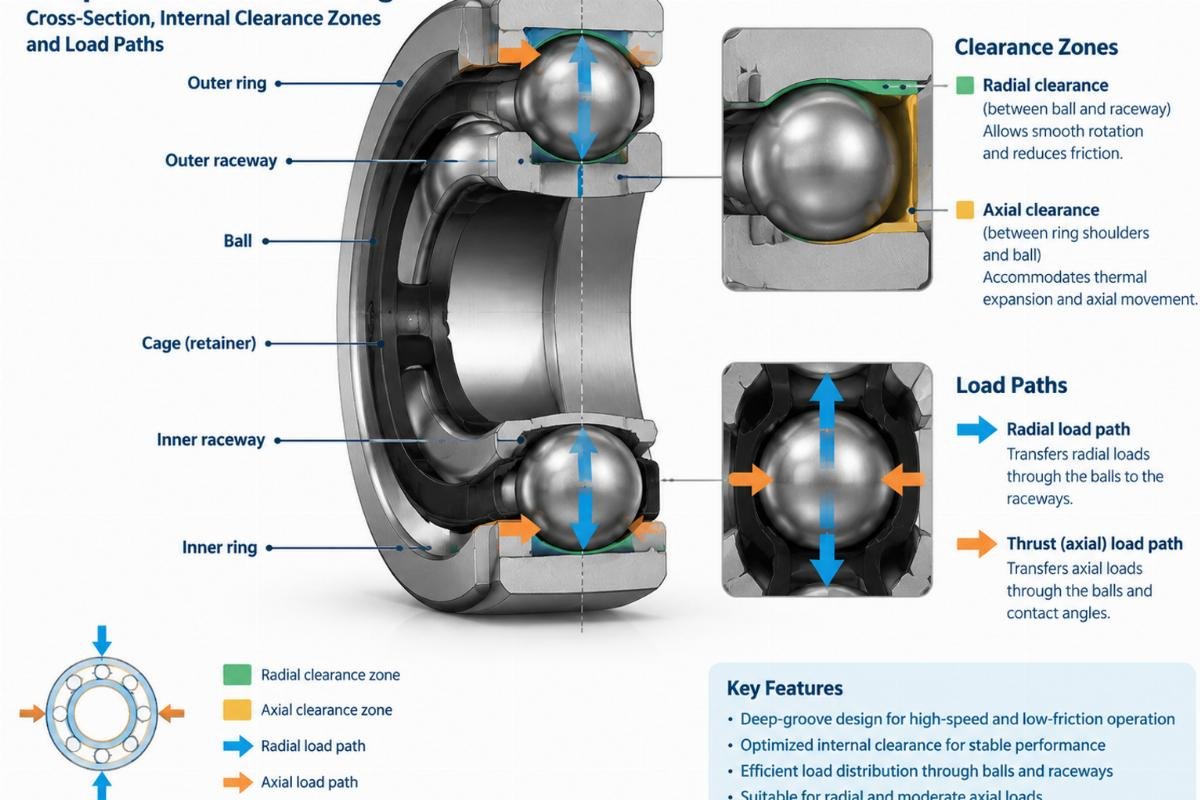
For procurement managers and engineers, the path to successful substitution lies in rigorous verification. You must match internal clearance, dynamic load ratings, and material certifications before submitting any part for approval. This approach ensures that your supply chain remains resilient without compromising equipment reliability.
What Is an AVL and Why Do Bearing Substitutions Fail Audits?
An Approved Vendor List (AVL) is a quality control framework used by OEMs and large industrial operators to restrict sourcing to pre-qualified suppliers. It demands full traceability, not just physical fit. Many substitutions fail because buyers assume that if a bearing fits into the housing, it will perform like the original. This assumption ignores the metallurgical and geometric nuances that define bearing life.
When I source alternatives for clients in the mining or wind power sectors, the first hurdle is always documentation. An AVL audit does not just check if the part number exists. It checks if the part can be traced back to its raw material origin. A common failure point is the lack of material test reports (MTRs). Without these, even a genuine SKF or NSK bearing may be rejected if the paperwork is incomplete. [NEED_CITE: OEM traceability compliance frameworks]
Consider a case involving a Middle East steel mill. They needed to replace spherical roller bearings in a continuous caster. The local distributor offered a lower-cost alternative from a reputable domestic brand. The dimensions were correct. However, the AVL auditors rejected the submission because the supplier could not provide heat treatment logs for the specific batch. The mill’s engineering team could not verify that the steel purity met the required standards for high-temperature operation. The substitution failed not because the bearing was bad, but because the proof of quality was missing.
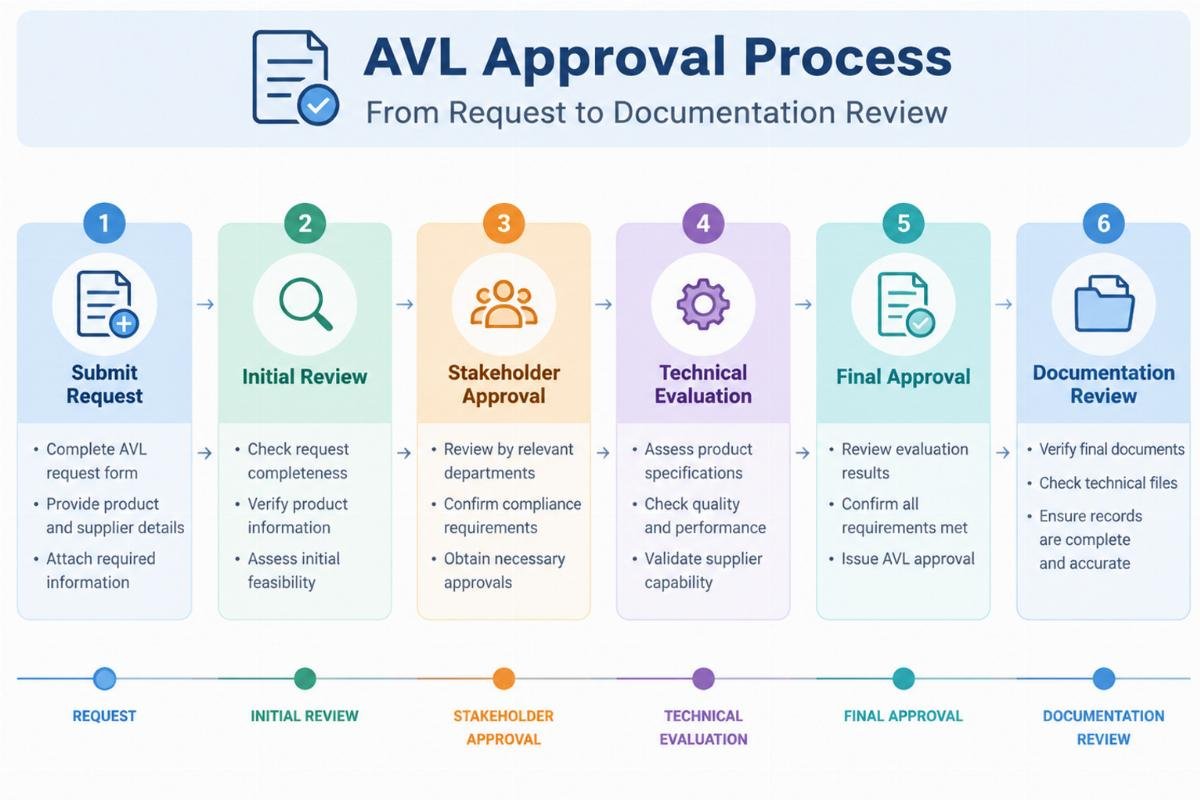
To pass an AVL audit, you must treat the documentation as part of the product. The bearing itself is only half the deliverable. The other half is the paper trail that proves its authenticity and compliance with international standards. This is why working with a supplier who understands the importance of traceability is critical. They must be able to provide origin certificates and ISO compliance files that align with the buyer’s internal quality protocols.
How to Verify Cross-Brand Bearing Equivalence?
Verifying equivalence goes beyond checking the catalog number. You must match internal clearance, load ratings, and tolerances. Many buyers make the mistake of assuming that a bearing from Brand A is a direct drop-in replacement for Brand B simply because they share the same ISO dimension code. While the external dimensions may be standardized, the internal geometry often varies.
The most critical parameter to check is the internal clearance class. Bearings are manufactured with different clearance levels, such as C2, C3, C4, or C5. These classes determine how much space exists between the rolling elements and the raceways. [NEED_CITE: ABMA bearing tolerance charts] If you substitute a C3 bearing for a C4 application, the bearing may run hot and fail prematurely due to insufficient expansion room. Conversely, using a C4 bearing in a C3 application can lead to excessive vibration and noise.
I once helped a European wind farm operator consolidate their spare parts inventory. They were using mixed brands for their gearbox main shaft bearings. To ensure compatibility, we performed a detailed cross-reference analysis. We did not just look at the part numbers. We compared the dynamic load ratings and the fatigue limit loads. We also verified the precision grade. For high-speed applications, the precision grade (such as P4 or P5) is crucial. A standard P0 bearing might fit, but it will not sustain the required rotational accuracy.
| Parameter | Original Specification | Substitute Requirement | Verification Method |
|---|---|---|---|
| Internal Clearance | C3 | Must match C3 exactly | Check marking on bearing ring |
| Precision Grade | P0 | P0 or higher | Review inspection certificate |
| Dynamic Load Rating | Standard | Equal or higher | Compare catalog data sheets |
| Material Certification | EN 10204 3.1 | Must provide 3.1 cert | Request MTR from supplier |
This table highlights the key parameters that must be aligned. Notice that the substitute requirement is not “similar” but “must match” or “equal or higher.” This strict adherence to specifications is what separates a compliant substitution from a risky gamble.
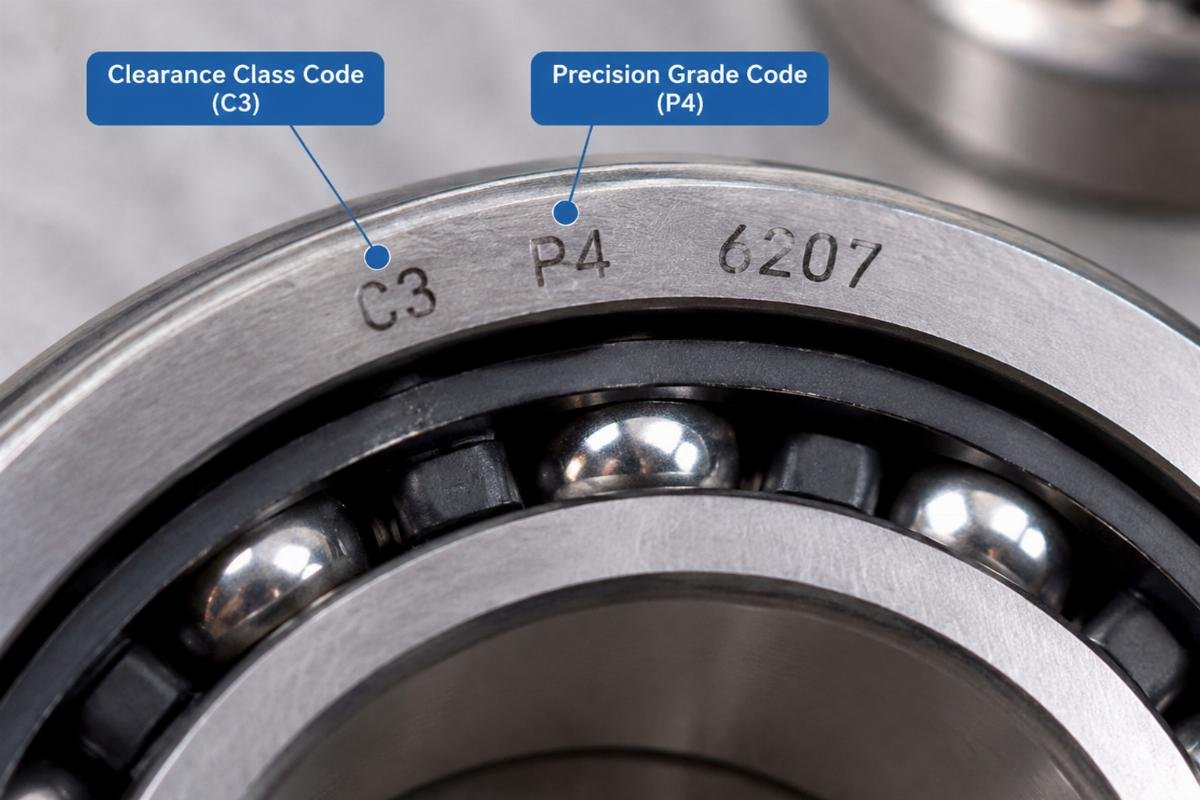
When evaluating substitutes, always request the technical data sheet from the manufacturer. Compare it side-by-side with the original equipment manufacturer’s specifications. If any parameter deviates, consult with a technical expert before proceeding. This step prevents costly failures and ensures that the substitution meets the operational demands of the machinery.
What Documents Are Mandatory for AVL Approval?
Origin certificates, material test reports, and ISO compliance docs are non-negotiable. In the global bearing trade, paperwork is as valuable as the steel itself. An AVL audit is essentially a document review. If the documents are missing, incomplete, or inconsistent, the physical quality of the bearing becomes irrelevant.
The primary document required is the Certificate of Origin. This proves where the bearing was manufactured. For many buyers, especially in regions with strict import regulations or sanctions, this document is essential for customs clearance and compliance. [NEED_CITE: International trade compliance standards]
Next is the Material Test Report (MTR). This document provides detailed information about the chemical composition and mechanical properties of the steel used in the bearing. It confirms that the material meets the required standards, such as AISI 52100 or equivalent. Without an MTR, you cannot verify the hardness or purity of the steel, which are critical for durability.
ISO compliance documents are also vital. These include certificates that prove the manufacturer’s quality management system meets ISO 9001 standards. For specialized applications, additional certifications such as ISO 14001 for environmental management may be required.
A distributor in Southeast Asia once shared their experience with a major automotive OEM. The OEM required a full set of traceability documents for every batch of bearings. The distributor had to secure origin certificates and ISO compliance files for each regional resale approval. The process was tedious, but it built trust. The OEM knew that every bearing could be traced back to its source, reducing the risk of counterfeit products entering the supply chain.
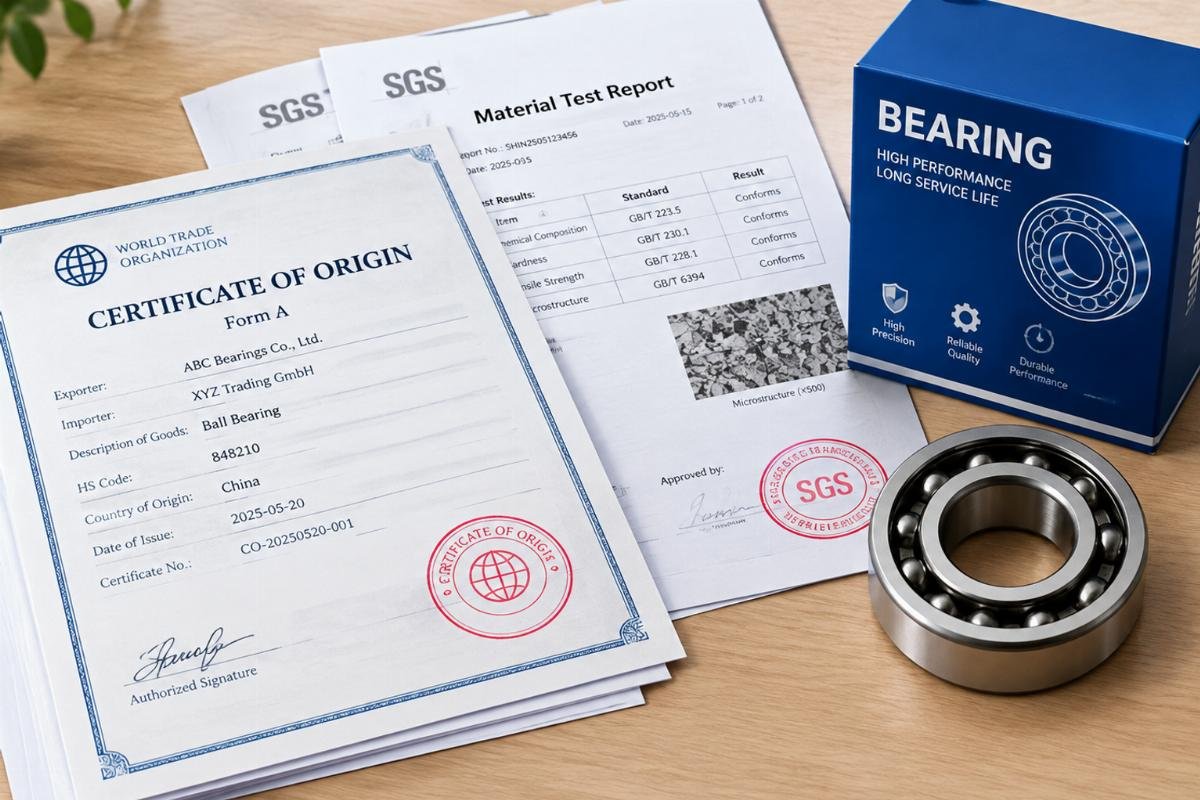
To streamline this process, work with suppliers who have established relationships with manufacturers. They should be able to provide complete traceability documentation quickly. This capability is a significant advantage when dealing with urgent MRO requirements or large project orders. It ensures that you can pass AVL reviews without delays, keeping your operations running smoothly.
How to Source Compliant Substitute Bearings Globally?
Partner with suppliers offering mixed-brand consolidation and technical selection support. Sourcing compliant substitutes is not just about finding a vendor; it is about finding a partner who understands the complexities of global procurement. The ideal supplier offers more than just inventory. They provide technical expertise and logistical flexibility.
One of the biggest challenges in global sourcing is managing multiple brands and sizes. Ordering from individual brand channels can be inefficient and expensive. A supplier who offers mixed-brand consolidation allows you to combine different types of bearings into a single shipment. This reduces shipping costs and simplifies customs clearance. [NEED_CITE: Global logistics consolidation benefits]
Technical selection support is equally important. Not every buyer has an in-house engineering team to verify specifications. A knowledgeable supplier can help you identify the right equivalent models. They can cross-reference part numbers and ensure that the substitutes meet your technical requirements. This service is invaluable for MRO clients who need to replace obsolete or hard-to-find bearings.
I have seen how this approach benefits clients in diverse industries. For a mining company in Africa, we consolidated a large order of spherical roller bearings and tapered roller bearings from various brands. The mix included genuine products from SKF, FAG, and ZWZ. By consolidating the order, we reduced the lead time significantly compared to ordering from separate official channels. The client received all the necessary traceability documents, allowing them to pass their internal quality audits easily.

When selecting a global supplier, look for those with a broad portfolio. They should stock genuine products from premium brands as well as reliable domestic lines. This variety gives you the flexibility to choose the best option for your budget and performance needs. Additionally, ensure they offer after-sales support. Technical guidance for failure analysis and application guidance can help you optimize your bearing usage and extend equipment life.
Conclusion
Compliance is built on data, not just dimensions.
Successful bearing substitution within an Approved Vendor List framework demands rigorous verification of internal clearance, load ratings, and complete traceability documentation. By prioritizing technical equivalence and partnering with suppliers who provide comprehensive support, buyers can secure reliable alternatives that pass quality audits without compromising operational integrity.

Written by
authorEditor covering global sourcing, supplier verification, and industrial product knowledge. Content is compiled from manufacturer specifications, industry standards, and hands-on experience with international B2B buyers. Every article is fact-checked before publishing to help procurement professionals make informed decisions.
View all posts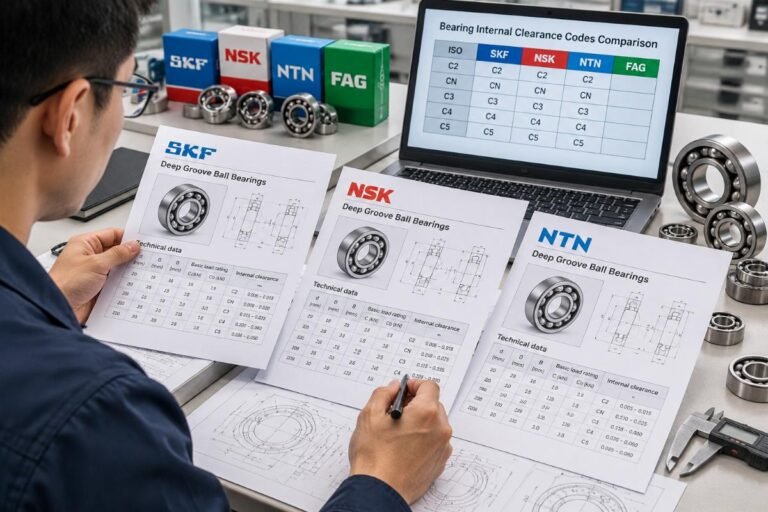
Leave a Reply