Mixed-Brand Bearings Wholesale Supplier: SKF, FAG, NSK & More
Identical outer and inner diameters do not guarantee interchangeability.
Fairly comparing mixed-brand bearing quotes requires evaluating technical equivalence, load capacity, and lifecycle costs beyond just basic dimensions and initial unit prices. A lower unit cost often masks higher risks in internal geometry mismatches or material inconsistencies that lead to premature failure.
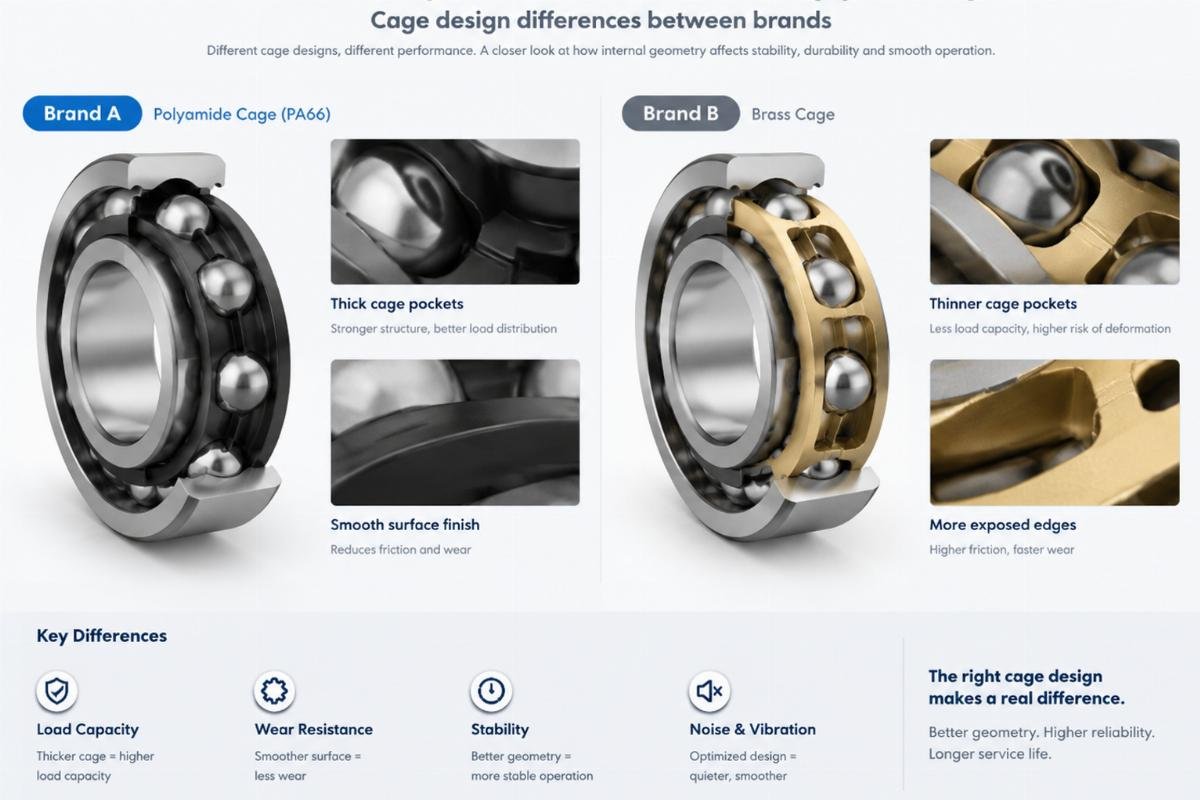
I still remember the dust choking the air in the Atacama Desert when a mining crusher gearbox failed. The maintenance team had replaced a failed SKF spherical roller bearing with an FAG unit of the same nominal size, assuming dimensional parity meant functional equivalence. Within weeks, the cage fractured under heavy shock loads, halting the entire production line. That incident was not a failure of brand quality but a failure of selection logic. It highlighted that cross-brand replacement demands a deep understanding of internal clearance, cage design, and dynamic load ratings rather than simple catalog matching. This experience drives my approach to helping industrial buyers navigate the complexities of sourcing from a Mixed-brand bearings wholesale supplier.
Navigating these nuances is critical for procurement professionals who need to balance cost efficiency with operational reliability. The following sections break down how to evaluate these components correctly.
Why Dimension Matching Isn’t Enough for Cross-Brand Replacement?
Internal geometry and cage materials dictate actual performance under heavy loads, not just external dimensions.
Many buyers assume that if two bearings share the same ISO boundary dimensions, they are interchangeable. This is a dangerous oversimplification. While the outer diameter, inner diameter, and width may match, the internal architecture varies significantly between manufacturers. These variations include raceway curvature, rolling element size distribution, and cage pocket design. [NEED_CITE: impact of internal geometry on load distribution]
For instance, in high-load applications like mining crushers or steel mill rollers, the dynamic load rating is paramount. Two bearings might have similar static load capacities, but their dynamic ratings can differ due to subtle changes in contact angles or material purity. A bearing with a stamped steel cage might perform adequately in moderate conditions, but under severe vibration and shock loads, a machined brass or polyamide cage often provides superior durability. Ignoring these details when selecting from a Mixed-brand bearings wholesale supplier can lead to catastrophic failures.
Consider a case involving a European wind farm operator. They sought to reduce maintenance costs by switching to a more affordable brand for non-critical yaw drive positions. The initial quote looked attractive, but the alternative brand used a different lubricant fill and seal design. Within months, contamination ingress caused early fatigue spalling. The cost of replacing the damaged housing and the downtime far exceeded the initial savings on the bearing units. This underscores why technical equivalence must be verified through detailed specification sheets, not just part number cross-references.
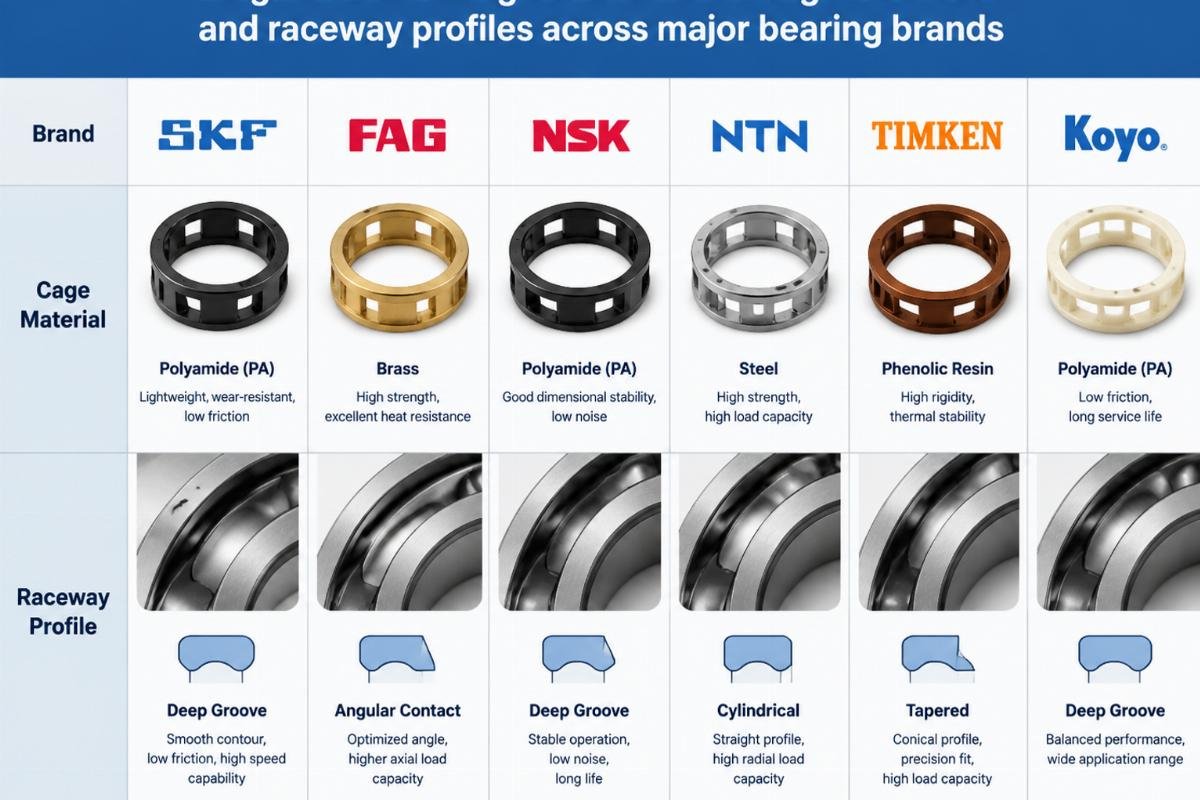
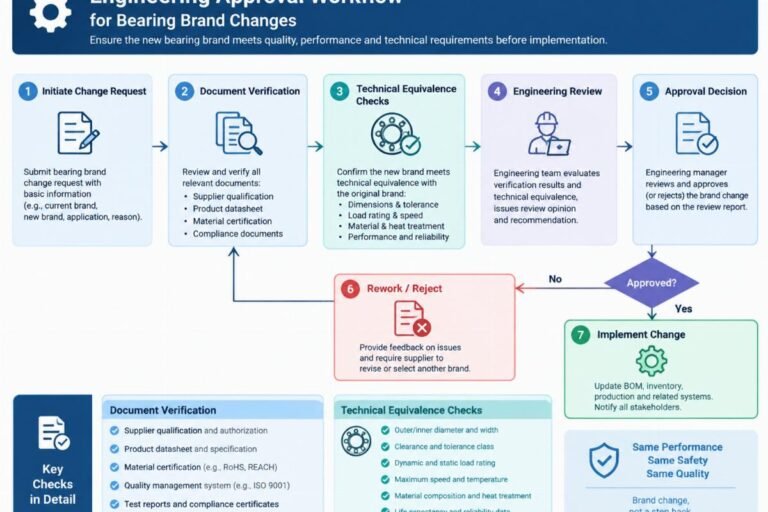
To avoid such pitfalls, buyers must request detailed technical data sheets that specify internal clearances (C2, C3, C4) and precision classes (P0, P6, P5). Matching these parameters ensures that the replacement bearing will handle the specific thermal and mechanical stresses of the application. Relying solely on dimensional matches ignores the engineering intent behind each brand’s design philosophy.
How to Evaluate Technical Equivalence Across Different Brands?
Compare dynamic load ratings, precision classes, and specific application adaptations to ensure true equivalence.
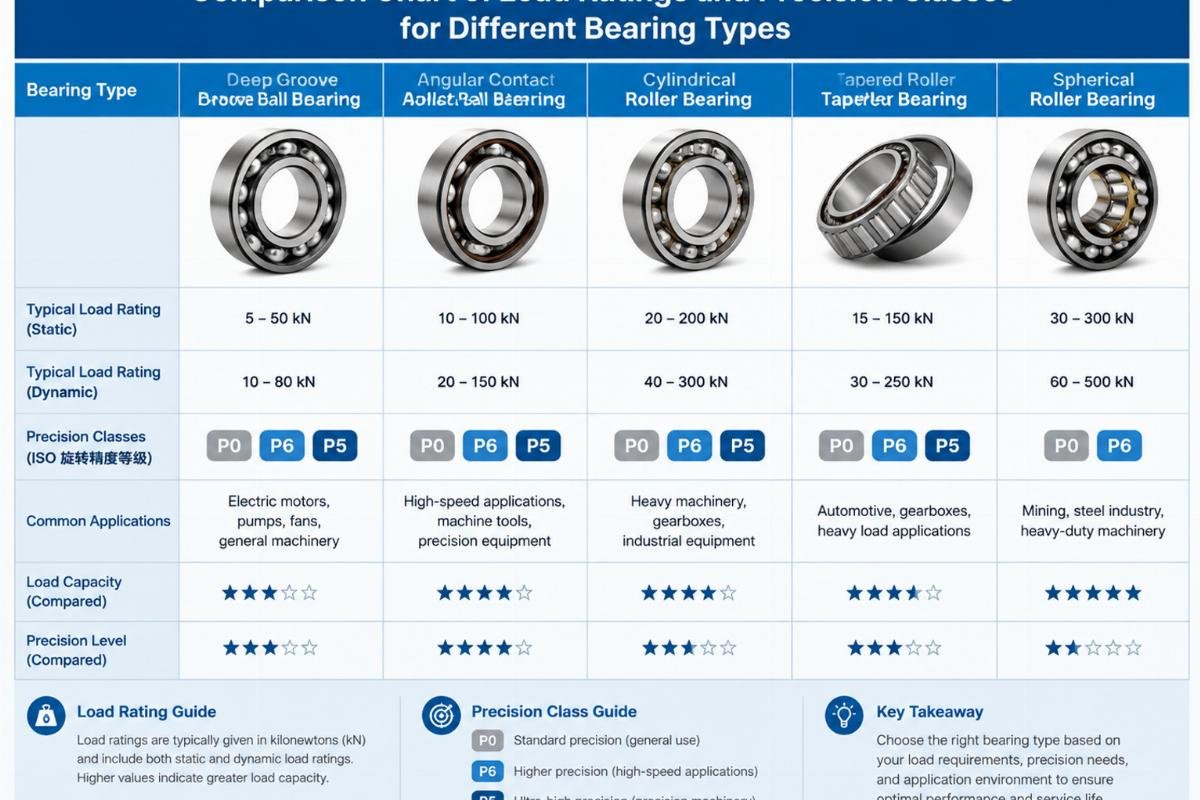
Evaluating technical equivalence requires a systematic approach that goes beyond surface-level specifications. The first step is to analyze the dynamic and static load ratings provided in the manufacturer’s catalogs. These values are calculated based on ISO standards, but the underlying assumptions about material life and reliability can vary. [NEED_CITE: ISO 281 standard for load rating calculations]
A practical method is to create a comparison matrix focusing on key performance indicators. For example, when comparing spherical roller bearings from different brands, look at the misalignment compensation capabilities. Some brands optimize for higher angular misalignment, which is crucial in applications with shaft deflection. Others prioritize high-speed performance with optimized internal friction.
| Feature | Premium Tier Brand | Cost-Effective Alternative | Verification Method |
|---|---|---|---|
| Material Purity | Controlled vacuum degassing | Standard refining process | Request material certification |
| Cage Type | Machined brass/polyamide | Stamped steel or polymer | Check technical datasheet |
| Precision Class | P5/P4 available | Typically P0/P6 | Verify tolerance charts |
| Internal Clearance | Customizable (C3/C4) | Standard (C3) | Confirm application requirements |
This table highlights the qualitative differences that often appear in quotes from a Mixed-brand bearings wholesale supplier. Notice that the “Cost-Effective Alternative” is not inherently inferior but serves different operational needs. For a general motor application, the standard refining process and stamped steel cage may be perfectly adequate. However, for a heavy-duty gearbox, the controlled material purity and machined cage of the premium tier become essential.
A Middle East steel mill once faced repeated failures in their continuous caster rolls. They were using a mix of brands without verifying the internal clearance. By switching to a consistent brand with specified C4 clearance for high-temperature operations, they extended the service life meaningfully. The key was not just the brand name but the precise match of technical parameters to the operating environment.
When sourcing, ask for batch-specific material certificates. Reputable suppliers can provide traceability documents that confirm the steel origin and heat treatment processes. This level of transparency is vital for maintaining equipment reliability and avoiding unexpected downtime.
What Hidden Costs Should Be Included in Mixed-Brand Quotes?
Factor in logistics, consolidation fees, and potential downtime risks when evaluating total cost of ownership.
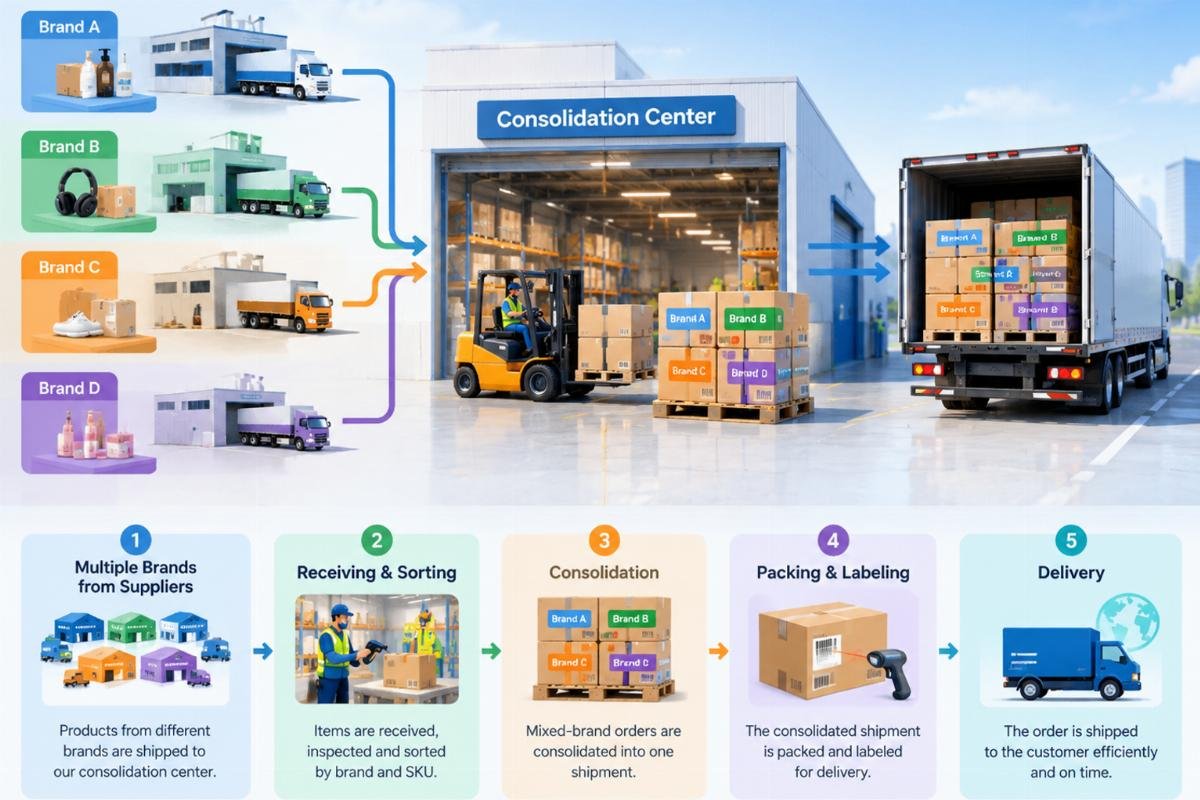
The initial unit price is only one component of the total cost of ownership. Many buyers overlook hidden costs such as shipping consolidation, customs clearance complexities, and the risk of inventory obsolescence. When sourcing from a Mixed-brand bearings wholesale supplier, these factors can significantly impact the final budget.
Logistics play a crucial role, especially for urgent MRO requirements. Mixing brands often means dealing with multiple packaging standards and documentation requirements. If a supplier does not offer consolidated shipping, buyers may face higher freight costs and delayed deliveries. Additionally, inconsistent packaging can lead to handling errors and damage during transit.
Another hidden cost is the risk of counterfeit or substandard products. Without proper traceability, buyers may inadvertently purchase fake bearings that look identical to genuine ones but fail prematurely. The cost of replacing a failed bearing in a critical application, including labor and lost production, can be substantial. [NEED_CITE: economic impact of bearing failure in industrial settings]
A US buyer once ordered a mixed batch of bearings for a fleet of agricultural machines. The initial quote was low, but the supplier did not provide full traceability documents. Several bearings failed within weeks, causing harvest delays. The subsequent investigation revealed that some units were not genuine. The total loss, including reputational damage and emergency replacements, was far greater than the savings from the initial purchase.
To mitigate these risks, work with suppliers who offer genuine traceability and consolidated shipping services. Ensure that all products come with original packaging and authentication marks. Verify the supplier’s ability to provide technical support and failure analysis if issues arise. This proactive approach helps avoid costly surprises and ensures smooth operations.
How to Build a Reliable Mixed-Brand Sourcing Strategy?
Match premium brands to critical paths and reliable alternatives to standard MRO needs.
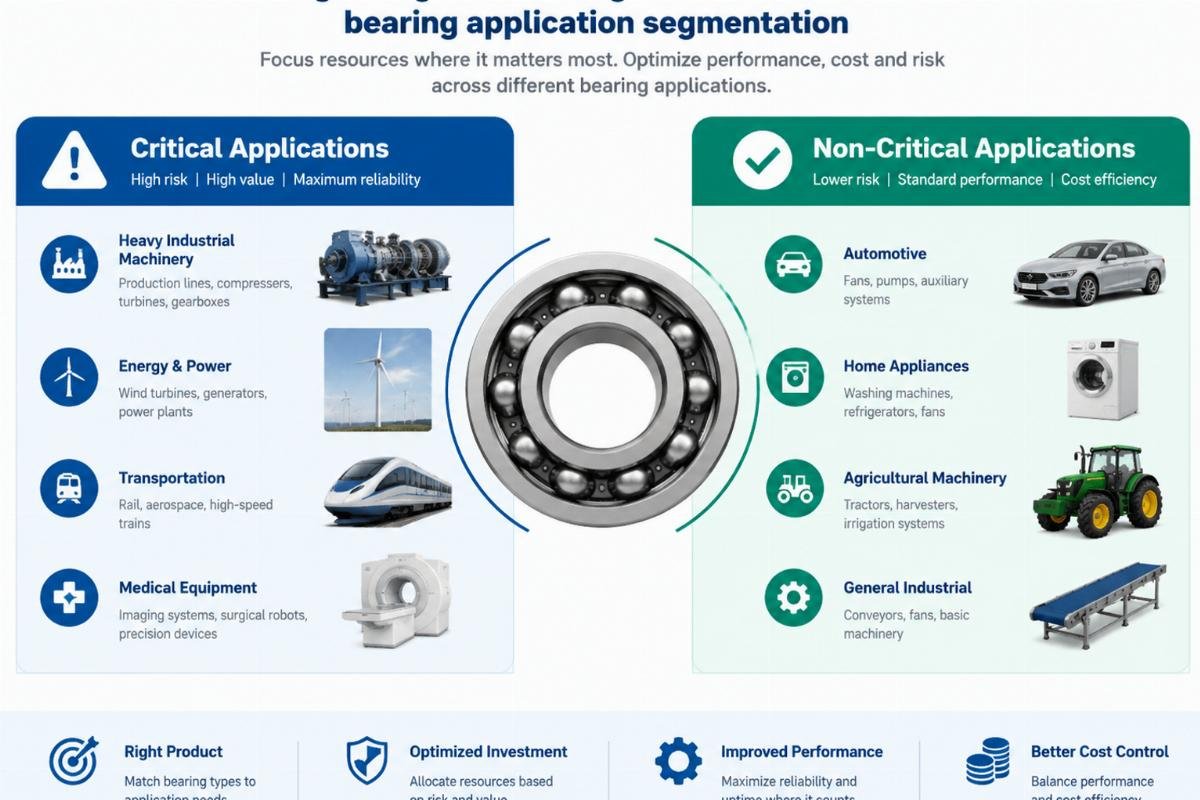
Building a reliable sourcing strategy involves categorizing applications based on criticality and risk. Not every bearing position requires a premium brand. By segmenting your needs, you can optimize costs without compromising reliability.
For critical applications such as main drive gearboxes, high-speed turbines, or safety-critical systems, stick to premium brands with proven track records. These positions demand high precision, superior material quality, and consistent performance. The higher initial cost is justified by the reduced risk of failure and extended service life.
For non-critical applications such as auxiliary pumps, conveyor idlers, or general-purpose motors, cost-effective alternatives can be used. These positions typically operate under lower loads and speeds, making them suitable for reliable domestic or secondary international brands. The key is to ensure that these alternatives meet the basic technical requirements and have a consistent supply chain.
A Latin American mining company implemented this strategy by using premium brands for their primary crusher drives and cost-effective alternatives for water pump bearings. This approach reduced their overall bearing expenditure while maintaining high availability for critical equipment. They worked closely with their Mixed-brand bearings wholesale supplier to ensure that the alternative brands met their specific environmental and operational requirements.
Regularly review and update your sourcing strategy based on performance data. Monitor failure rates and service life for different brands and applications. Use this data to refine your selection criteria and negotiate better terms with suppliers. Engaging in cross-brand equivalent consultation can help identify suitable alternatives and optimize your inventory mix.
Conclusion
Smart sourcing balances technical precision with cost efficiency through strategic brand mixing.
Comparing mixed-brand bearing quotes requires a holistic view that includes technical equivalence, hidden logistics costs, and application criticality. By focusing on internal geometry, load ratings, and total cost of ownership, buyers can make informed decisions that enhance reliability and reduce expenses. Partnering with a knowledgeable Mixed-brand bearings wholesale supplier facilitates this process by providing genuine products, technical support, and flexible sourcing solutions.

Written by
authorEditor covering global sourcing, supplier verification, and industrial product knowledge. Content is compiled from manufacturer specifications, industry standards, and hands-on experience with international B2B buyers. Every article is fact-checked before publishing to help procurement professionals make informed decisions.
View all posts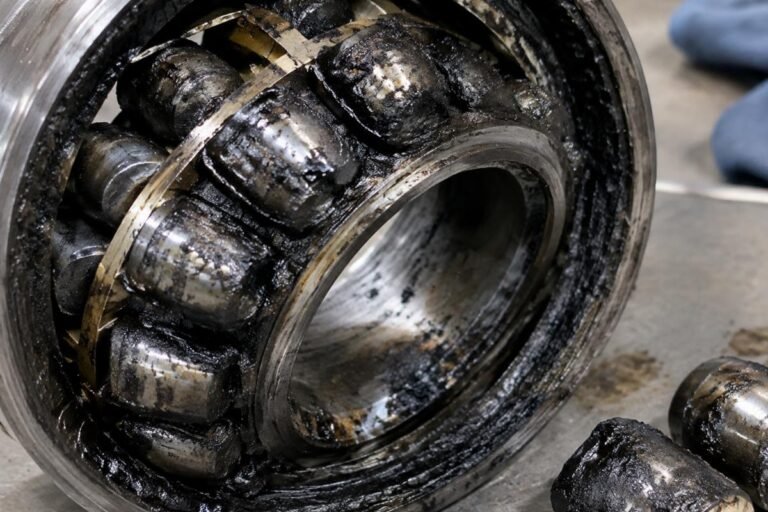

Leave a Reply