Combine Harvester Bearing Equivalents Wholesale Supplier
Sourcing equivalents is not about finding the cheapest copy; it is about matching clearance and sealing to survive the harvest.
The most reliable approach to sourcing Combine Harvester Bearing Equivalents Wholesale Supplier solutions involves prioritizing technical parameter alignment over brand loyalty. Specifically, selecting substitutes requires verifying C3 or C4 internal clearance for thermal expansion in high-load gearboxes and upgrading to labyrinth or heavy-duty rubber seals for threshing drums exposed to extreme dust. This strategy ensures that domestic premium lines can perform identically to imported originals in harsh agricultural environments, significantly reducing lead times from weeks to days while maintaining operational continuity.
I remember standing in a soybean field in Mato Grosso, Brazil, watching a combine harvester sit idle under the scorching sun. The local operator was desperate. A single failed spherical roller bearing in the main gearbox had stopped the entire machine. He had ordered an original European brand part, but the shipping delay meant missing the critical planting window for the next cycle. The cost of downtime far exceeded the price of the bearing itself. Later, when I shifted to supplying bearings, I saw this pattern repeat across Latin America and other agricultural hubs. Farmers and MRO operators were taught to fear non-OEM parts, yet the real enemy was not the manufacturer’s name but the mismatch in technical specifications. When we sourced a domestic premium equivalent with the correct C3 clearance and reinforced sealing, the machine ran through the rest of the season without issue. This experience highlighted that the value of a Combine Harvester Bearing Equivalents Wholesale Supplier lies in technical precision, not just inventory depth.

Understanding why operators seek alternatives is the first step toward making the right choice. It is rarely about cutting corners on quality. Instead, it is about optimizing maintenance budgets and ensuring availability during peak seasons when every hour of downtime translates to lost revenue.
Why Source Combine Harvester Bearing Equivalents?
Minimizing downtime during peak harvest is more valuable than sticking to a single brand name.
Agricultural machinery operates in some of the most punishing conditions imaginable. Combines face high radial loads, constant vibration, and pervasive dust. During harvest season, the demand for spare parts spikes globally. Relying solely on original equipment manufacturer (OEM) channels often leads to extended lead times. In contrast, working with a Combine Harvester Bearing Equivalents Wholesale Supplier provides access to a broader inventory pool. This includes genuine products from multiple global brands as well as high-quality domestic lines that meet ISO standards.
The core argument here is economic resilience. A regional distributor in Southeast Asia once shared how switching to a mixed-brand sourcing strategy allowed them to fulfill urgent orders for local farmers. By stocking equivalents from reputable Chinese manufacturers like ZWZ and HRB alongside SKF and FAG, they reduced their average delivery time significantly. The farmers did not care about the logo on the box; they cared that the thresher kept running. [NEED_CITE: impact of supply chain delays on agricultural productivity]
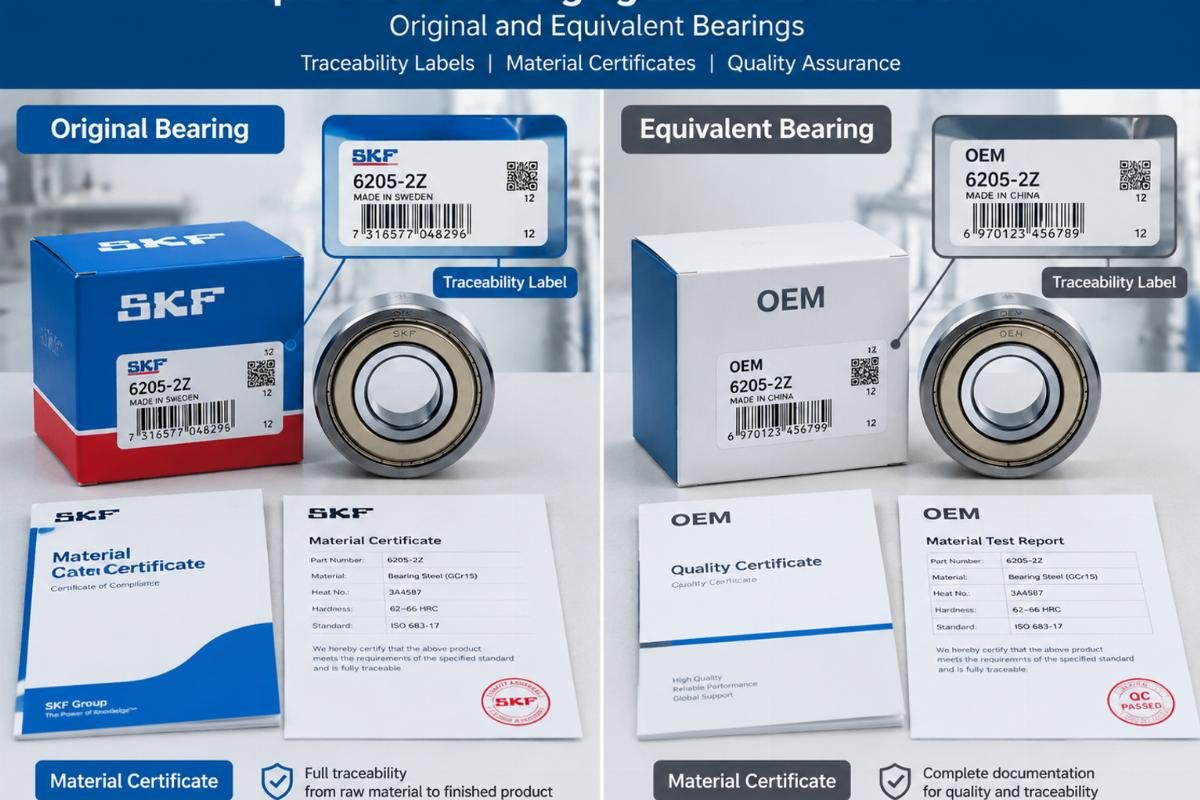
Moreover, the perception that equivalents are inferior copies is outdated. Modern manufacturing in major bearing-producing regions has advanced considerably. Many domestic premium lines now use vacuum-degassed steel and controlled heat treatment processes that match the metallurgical quality of traditional European brands. The key is verification. A reliable supplier provides traceability documentation and material certificates, ensuring that every batch meets the required hardness and purity standards. This level of transparency builds trust and allows MRO operators to plan their maintenance schedules with confidence.
Key Parameters for Selecting the Right Substitute
Matching internal clearance and seal type is critical for performance in high-temperature and high-dust environments.
Selecting the right equivalent is not a guesswork exercise. It requires a detailed understanding of the application’s specific demands. For combine harvesters, two parameters stand out: internal clearance and sealing effectiveness. Ignoring these can lead to premature failure, regardless of the brand.
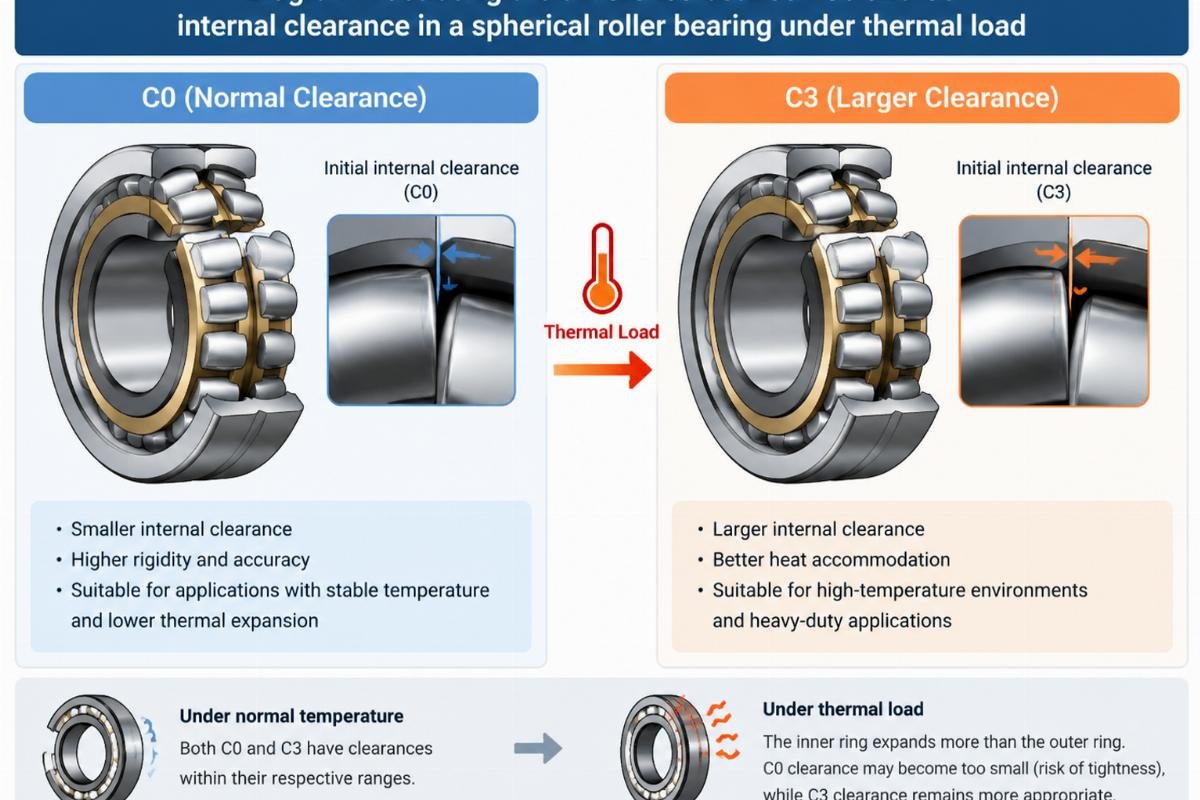
Internal clearance determines how much room the rolling elements have to expand under heat. In gearbox applications, where temperatures rise due to friction and load, standard clearance (C0) is often insufficient. Using a bearing with C3 or C4 clearance allows for thermal expansion without causing excessive preload, which can lead to overheating and seizure. [NEED_CITE: ISO standard guidelines for bearing clearance selection]
Sealing is equally vital. Threshing drums and header reels operate in clouds of chaff and dust. Standard metal shields (ZZ) offer little protection against fine particulate matter. Upgrading to bearings with robust rubber seals (RS) or labyrinth designs prevents dust ingress, which is a primary cause of abrasive wear. A case from a large farming cooperative in Argentina illustrated this point. They experienced frequent failures in their header reel bearings. After switching to equivalents with enhanced labyrinth seals, the service life of the components increased noticeably. The dust no longer penetrated the raceways, preserving the lubricant and preventing grit-induced fatigue.
| Parameter | Standard OEM Spec | Recommended Equivalent Spec | Reason for Change |
|---|---|---|---|
| Internal Clearance | C0 (Normal) | C3 or C4 | Accommodates thermal expansion in high-load gearboxes |
| Sealing Type | ZZ (Metal Shield) | RS (Rubber Seal) or Labyrinth | Prevents dust ingress in threshing and header applications |
| Load Rating | Standard Dynamic | High Dynamic Capacity | Handles shock loads from uneven terrain and crop density |
| Material Quality | Standard Bearing Steel | Vacuum-Degassed Steel | Improves fatigue resistance and extends service life |
This table highlights the necessary adjustments. A Combine Harvester Bearing Equivalents Wholesale Supplier should be able to provide these specific configurations. It is not enough to simply match the part number. The physical and operational context must be considered. For instance, a bearing used in a wet environment might require corrosion-resistant coatings, while one in a high-vibration area might need special cage designs. Technical support from the supplier is invaluable here. They can help cross-reference models and suggest upgrades that enhance durability without compromising fit.
Real-World Scenarios: Substitutes in Harsh Environments
Domestic premium lines can handle extreme conditions when selected with the right technical criteria.
Theory is useful, but practice proves the point. Consider the case of a mining and agricultural equipment operator in a high-temperature region. They faced recurring issues with header reel bearings failing due to heat buildup. The ambient temperature, combined with the mechanical load, pushed the bearings beyond their thermal limits. By substituting the original imports with domestic premium lines designed for higher thermal stability, they achieved a significant improvement. The new bearings maintained their structural integrity and load capacity even under prolonged exposure to heat. [NEED_CITE: thermal stability limits of bearing steels]
Another scenario involves high-dust environments. In a large-scale wheat harvest operation, the threshing drum bearings were succumbing to dust ingestion. The original seals were inadequate for the fine, abrasive chaff produced by dry wheat. Switching to equivalents with upgraded labyrinth seals created a more effective barrier. The result was a noticeable extension in service hours. The bearings lasted through multiple seasons without needing replacement, reducing both maintenance costs and downtime.
These examples demonstrate that the origin of the bearing is less important than its suitability for the task. A Combine Harvester Bearing Equivalents Wholesale Supplier who understands these nuances can offer solutions that are both cost-effective and reliable. They can guide customers away from generic replacements and toward engineered equivalents that address specific pain points. This approach transforms the sourcing process from a transactional activity into a strategic partnership.

How to Verify Quality and Avoid Fake Substitutes
Traceability and certification are the only guarantees against counterfeit or substandard parts.
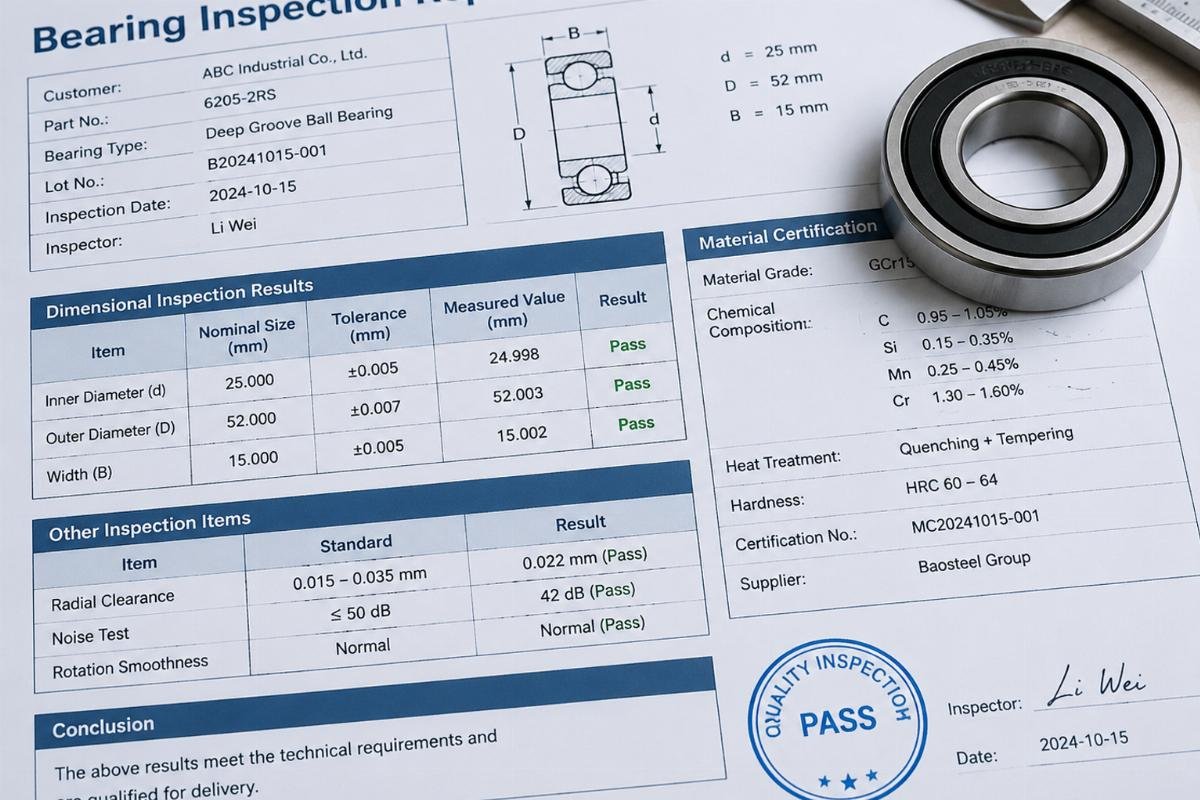
The market is flooded with low-quality imitations that mimic the appearance of genuine bearings but lack the internal quality. To avoid these pitfalls, buyers must insist on verifiable documentation. A reputable Combine Harvester Bearing Equivalents Wholesale Supplier will provide material certificates, heat treatment records, and dimensional inspection reports for each batch. These documents prove that the bearings meet ISO standards and are not just cheap copies.
Checking the supplier’s reputation is also crucial. Look for partners who have a long history of serving industrial and agricultural clients. They should be willing to share references and case studies. Additionally, physical inspection of the samples can reveal much. High-quality bearings have smooth raceways, precise dimensions, and consistent branding. Poorly made equivalents often show signs of rough machining, inconsistent labeling, or inferior packaging.
Technical selection support is another marker of a trustworthy supplier. They should be able to answer detailed questions about load ratings, speed limits, and lubrication requirements. If a supplier cannot provide this level of detail, it is a red flag. Genuine expertise involves understanding the application, not just selling a part number. By focusing on traceability and technical competence, buyers can secure reliable equivalents that protect their operations and bottom line.
Conclusion
Reliable equivalents ensure continuous operation by matching technical parameters to harsh agricultural demands.
Sourcing Combine Harvester Bearing Equivalents Wholesale Supplier solutions is a strategic decision that balances cost, availability, and performance. By focusing on critical parameters like clearance and sealing, operators can find substitutes that perform as well as, or better than, original parts. The key is to work with suppliers who prioritize transparency, traceability, and technical support. This approach minimizes downtime and maximizes the efficiency of agricultural machinery, ensuring that harvest seasons are productive and profitable.

Written by
authorEditor covering global sourcing, supplier verification, and industrial product knowledge. Content is compiled from manufacturer specifications, industry standards, and hands-on experience with international B2B buyers. Every article is fact-checked before publishing to help procurement professionals make informed decisions.
View all posts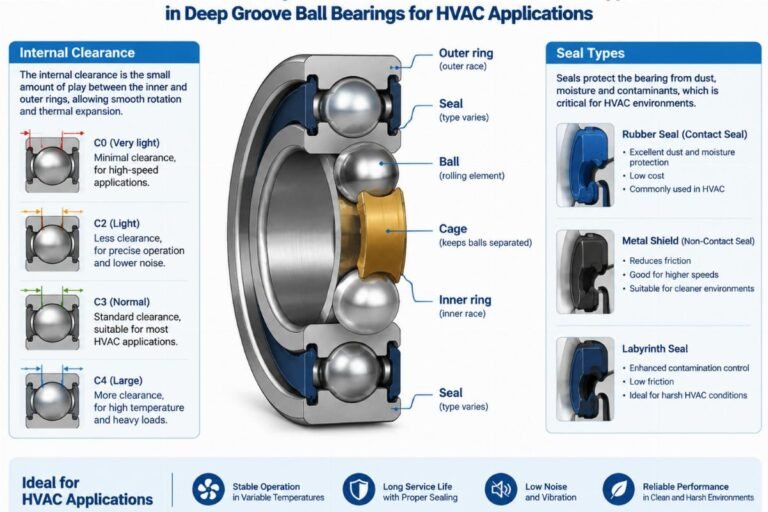

Leave a Reply