Crane Wheel Bearing Equivalents: Cross-Reference & Wholesale Supplier
Matching outer and inner diameters is not enough for crane wheel bearing equivalents.
True equivalence in heavy-duty lifting applications requires matching internal clearance, cage material thermal limits, and roller crowning profiles. Relying solely on dimensional data ignores the microscopic geometric parameters that dictate fatigue life under extreme radial loads. Without verifying these hidden specifications, a physically fitting bearing will likely fail prematurely, causing costly unplanned downtime.
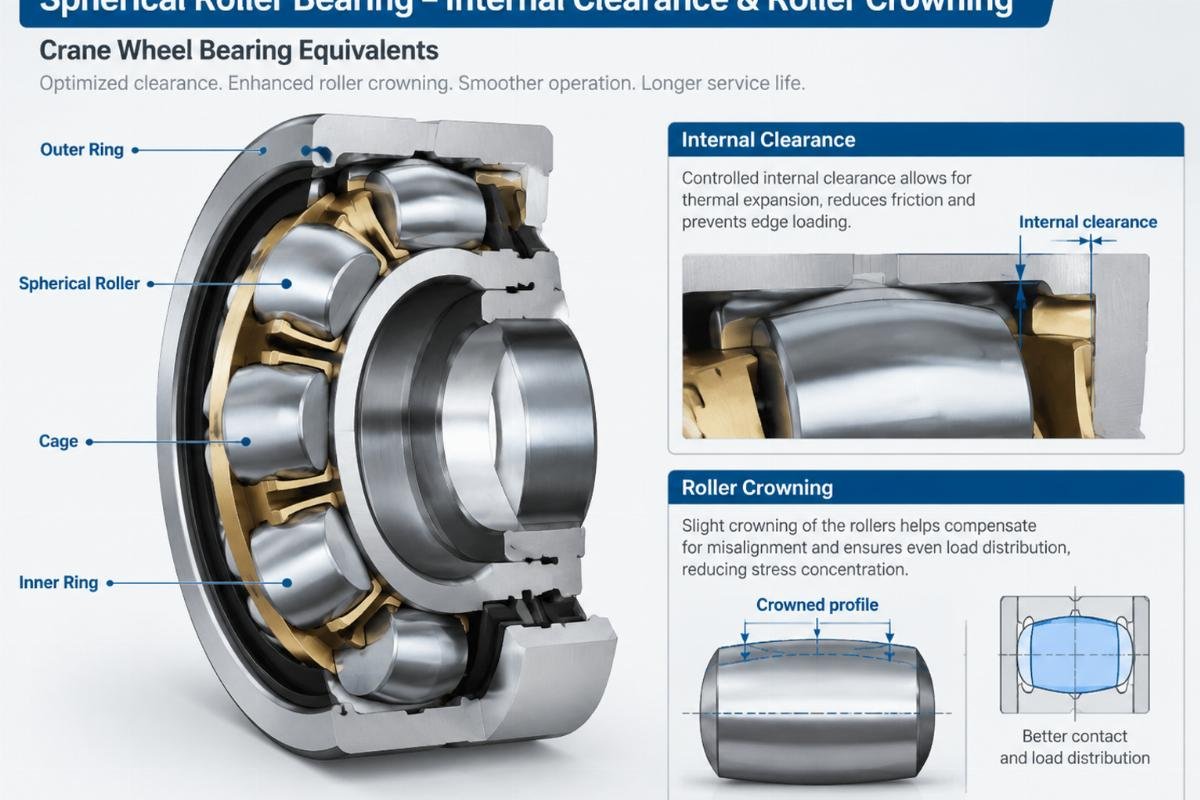
I learned this lesson the hard way during my early years handling procurement for North American port cranes. A steel mill bridge crane required an urgent replacement for a FAG spherical roller bearing. The official lead time stretched into half a year, threatening production schedules. Pressured by deadlines, I sourced a domestic alternative based strictly on outer diameter, inner diameter, and width. The part fit perfectly into the housing. Three months later, the cage shattered under high-temperature, heavy-load conditions. The resulting line stoppage lasted days, and the claim settlement far exceeded any initial savings. That failure shifted my focus from simple part number matching to deep technical cross-referencing. At trade shows in Hanover and Chicago, I observed countless buyers making the same mistake, assuming that identical dimensions guarantee identical performance. In reality, Crane Wheel Bearing Equivalents demand a rigorous analysis of internal geometry rather than just external measurements.
Why Dimensional Matching Fails in Crane Applications?
Standard dimension tables do not account for the elastic deformation and thermal expansion inherent in heavy-duty crane operations.
Crane wheels operate under unique stress profiles characterized by slow rotation, extreme radial loads, and frequent shock impacts. Unlike high-speed motor bearings, crane wheel bearings must accommodate significant misalignment and housing deflection. When engineers or procurement specialists rely exclusively on basic size matching, they overlook the internal adjustments necessary to survive these conditions. The primary failure mode in such scenarios is often not material fatigue in the traditional sense, but rather edge stress concentration caused by improper roller alignment or insufficient internal space for thermal growth.
The critical issue lies in the difference between static fit and dynamic performance. A bearing may slide into the axle assembly without resistance, yet lack the necessary internal clearance to handle heat generation during operation. As the bearing heats up, the inner ring expands. If the initial clearance is too tight, this expansion eliminates the running gap, leading to preload conditions that drastically increase friction and temperature. This thermal runaway accelerates wear and can cause catastrophic seizure. [NEED_CITE: ISO 15243 failure mode classification for thermal damage]
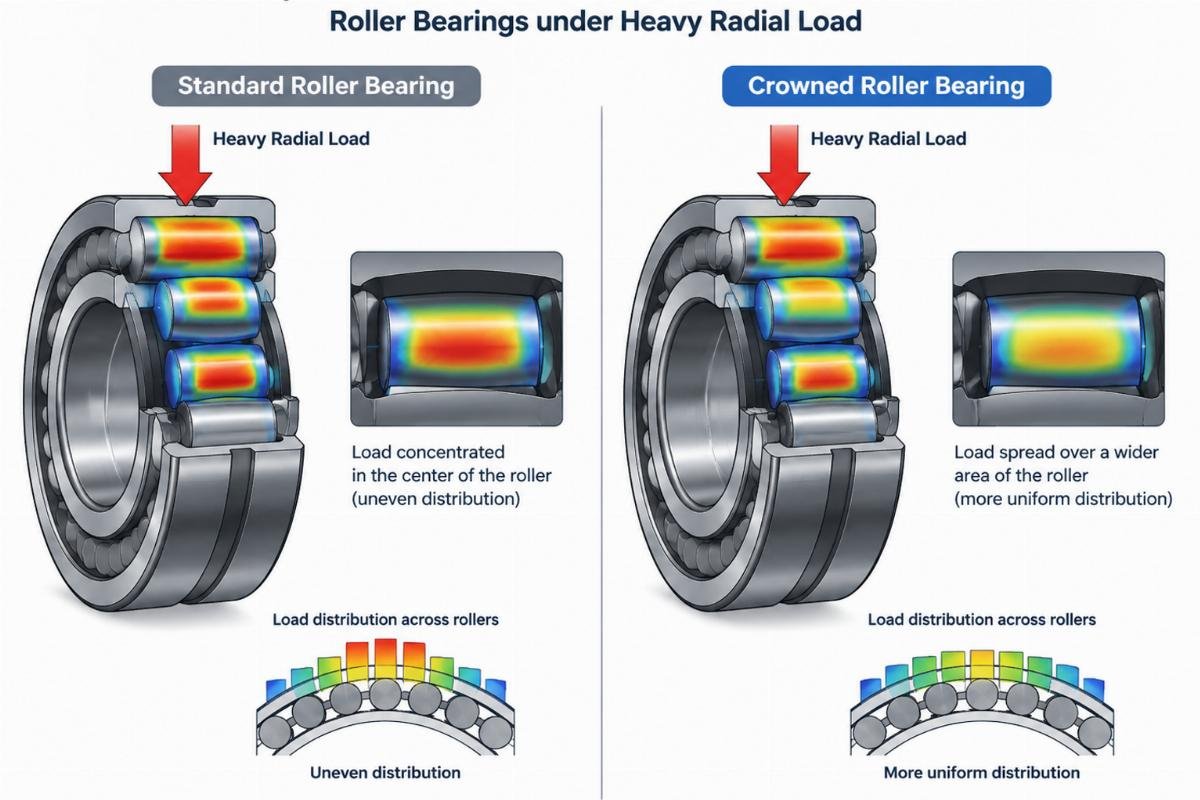
Furthermore, the load distribution across the rollers depends heavily on the precise curvature of the raceways. Standard commercial bearings often feature different raceway profiles compared to specialized crane bearings. Using a generic equivalent results in uneven load sharing, where only a few rollers carry the majority of the weight. This localized overloading leads to early spalling and flaking, even if the overall load rating of the bearing appears sufficient on paper. Understanding why Crane Wheel Bearing Equivalents require more than dimensional checks is essential for avoiding these hidden pitfalls.
What Hidden Parameters Dictate Bearing Equivalents?
Internal clearance, cage material, and roller crowning are the three decisive factors for reliable substitution.
When evaluating potential replacements, three specific technical parameters must align with the original equipment manufacturer’s specifications. Ignoring any of these can compromise the integrity of the entire wheel assembly.
First, internal clearance is paramount. Crane applications typically require clearance classes such as C3 or C4 to accommodate thermal expansion and mounting interference fits. A standard C0 clearance bearing will almost certainly fail in a high-load crane environment due to the reasons mentioned earlier. The clearance must be verified against the operating temperature range and the shaft/housing tolerance class. [NEED_CITE: ABMA/ISO standards for radial internal clearance classes]
Second, cage material determines thermal and mechanical resilience. Heavy-duty crane bearings often use machined brass or steel cages rather than stamped steel or polymer alternatives. Brass cages offer superior strength and guide properties under high vibration and shock loads, while also withstanding higher temperatures without deforming. Polymer cages, though lightweight and low-friction, may soften or creep under the sustained high temperatures generated in slow-running, heavily loaded crane wheels. Selecting the wrong cage material can lead to cage fragmentation, which then destroys the rolling elements and raceways.
Third, roller crowning affects edge stress. Crane wheel bearings frequently utilize logarithmic or optimized crowning profiles to prevent edge loading when the shaft deflects under load. A standard cylindrical or spherical roller with a simple profile may concentrate stress at the roller ends, initiating cracks that propagate rapidly. Verifying that the substitute bearing features the appropriate crowning profile ensures even load distribution across the full length of the roller. These parameters define true Crane Wheel Bearing Equivalents in professional engineering contexts.

How to Build a Reliable Cross-Reference Matrix?
A robust cross-reference strategy combines dimensional data with operational condition analysis.
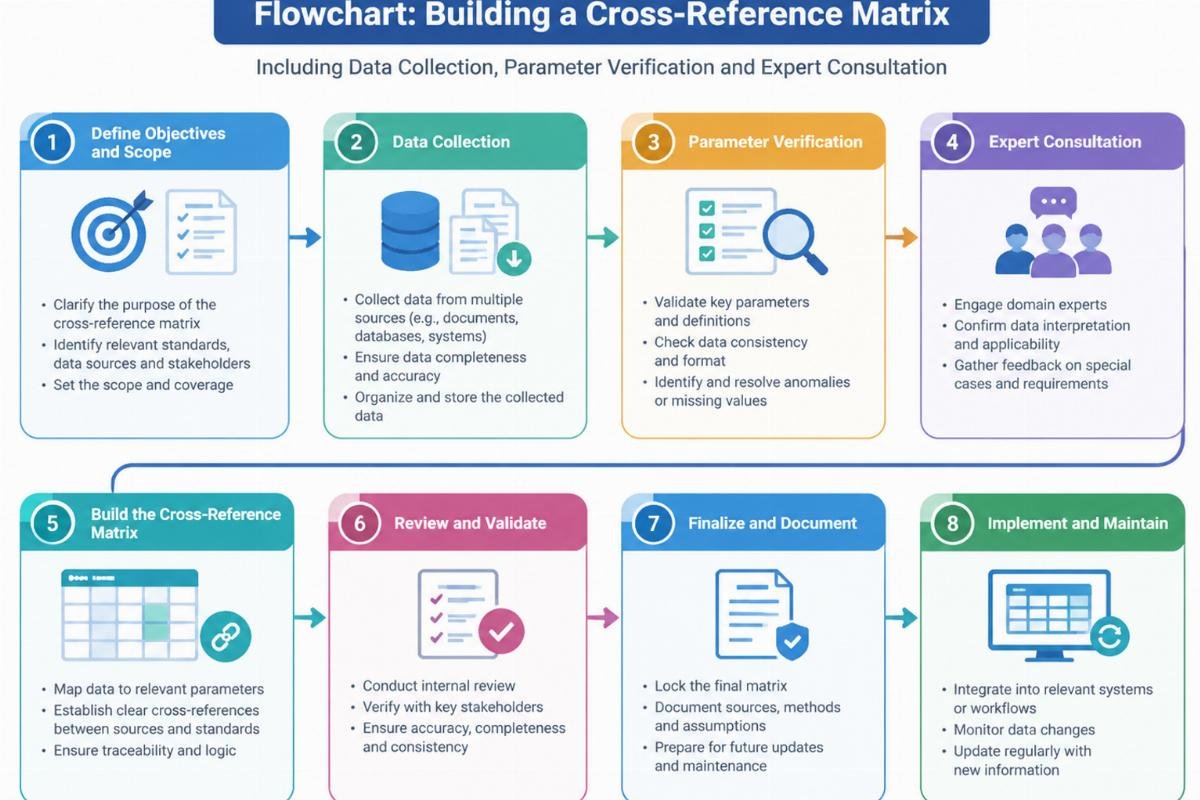
Creating a reliable substitution matrix involves more than looking up part numbers in a catalog. It requires a systematic approach that integrates technical specifications with real-world application data. This process minimizes the risk of selecting an incompatible component and ensures long-term reliability.
Start by documenting the exact operating conditions of the crane wheel. Record the maximum radial load, rotational speed, ambient temperature, and exposure to contaminants such as dust or moisture. This data provides the baseline for selecting a bearing with adequate dynamic load rating and sealing effectiveness. Next, identify the original bearing’s specific technical attributes beyond its part number. This includes the internal clearance class, cage type, lubrication method, and any special coatings or treatments.
Compare these attributes against potential alternatives from reputable manufacturers. Use technical datasheets to verify that the substitute matches the critical parameters identified earlier. Pay particular attention to the load rating calculations, ensuring they account for the specific load patterns of crane applications. If the original bearing is no longer available, consult with technical experts who can analyze the application and recommend suitable alternatives from different brands. This step is crucial for identifying Crane Wheel Bearing Equivalents that meet or exceed the original performance standards.
In our supply chain operations, we maintain a comprehensive database of cross-references across major global brands. This allows us to quickly identify viable alternatives when original parts are obsolete or have long lead times. By leveraging this technical expertise, we help clients avoid the trial-and-error approach that often leads to premature failures. The goal is to provide a solution that fits not just physically, but functionally, ensuring seamless integration into the existing machinery.
What Are the Risks of Unverified Substitutions?
Unverified substitutions introduce significant risks of catastrophic failure and financial loss.
Choosing a bearing based solely on availability or price without proper technical validation can have severe consequences. The most immediate risk is premature bearing failure, which leads to unplanned downtime. In industrial settings, the cost of downtime often far exceeds the savings achieved through cheaper components. A single hour of stopped production in a steel mill or port terminal can result in substantial financial penalties and disrupted supply chains.
Beyond direct operational costs, unverified substitutions can cause secondary damage to surrounding components. A failing bearing can generate excessive heat and vibration, damaging the shaft, housing, and adjacent mechanical parts. This collateral damage increases repair complexity and cost, requiring more extensive maintenance interventions. Additionally, using non-equivalent bearings may void warranties or insurance coverage, leaving the operator liable for all repair expenses.
Safety is another critical concern. Crane failures pose significant risks to personnel and infrastructure. A wheel bearing failure can lead to derailment or structural collapse, endangering workers and damaging cargo. Ensuring that replacements meet strict technical standards is not just a matter of efficiency but of safety compliance. Regulatory bodies and industry standards mandate the use of components that meet specific performance criteria to mitigate these risks. [NEED_CITE: Occupational safety regulations regarding heavy lifting equipment maintenance]
By prioritizing verified Crane Wheel Bearing Equivalents, operators can minimize these risks and ensure the continued safe and efficient operation of their equipment. This approach supports long-term asset reliability and reduces the total cost of ownership over the lifecycle of the crane.

Conclusion
True equivalence demands technical validation beyond simple dimensions.
Successful substitution of crane wheel bearings requires a deep understanding of internal clearance, cage material, and roller geometry. Relying on dimensional matching alone invites premature failure and costly downtime. By focusing on these critical technical parameters, operators can ensure reliable performance and extend the service life of their heavy-duty equipment.

Written by
authorEditor covering global sourcing, supplier verification, and industrial product knowledge. Content is compiled from manufacturer specifications, industry standards, and hands-on experience with international B2B buyers. Every article is fact-checked before publishing to help procurement professionals make informed decisions.
View all posts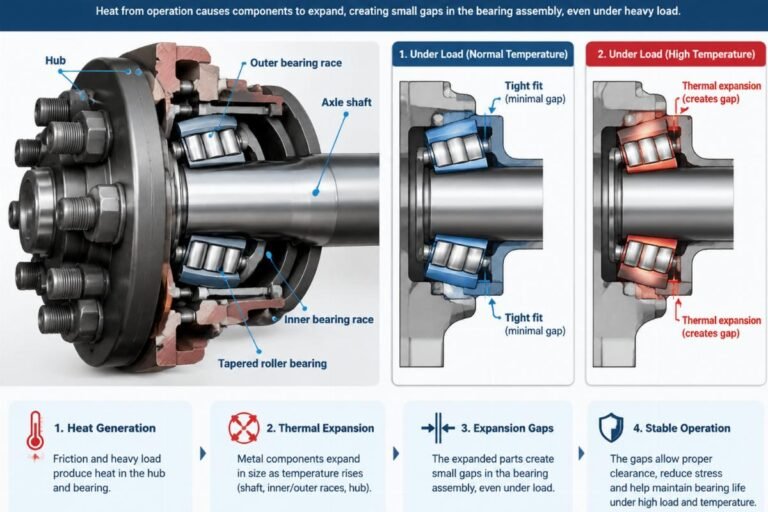


Leave a Reply