German Machinery Bearing Replacement: Genuine SKF/FAG Wholesale Supplier
Matching the base model number is not enough.
Replacing bearings in German machinery requires matching exact suffixes for clearance and cage materials to specific operating conditions, not just copying the base model number. Ignoring these suffixes leads to premature failure even with genuine parts.
I still remember the humidity in that woodworking plant near Ho Chi Minh City. The air was thick enough to taste, and the German reducer on the main production line was running hot. The local procurement team had done everything right on paper. They ordered a replacement FAG bearing with the exact same base model number as the failed unit. It arrived quickly, it looked perfect, and it carried the full weight of the brand’s reputation. Yet, within weeks, the bearing seized. The cage had shattered under the combined stress of thermal expansion and moisture-induced lubrication breakdown. The entire production line stopped for days. That downtime cost far more than the bearing itself. This was not a case of counterfeit goods. It was a case of ignoring the suffix. [NEED_CITE: impact of environmental factors on bearing cage material selection]
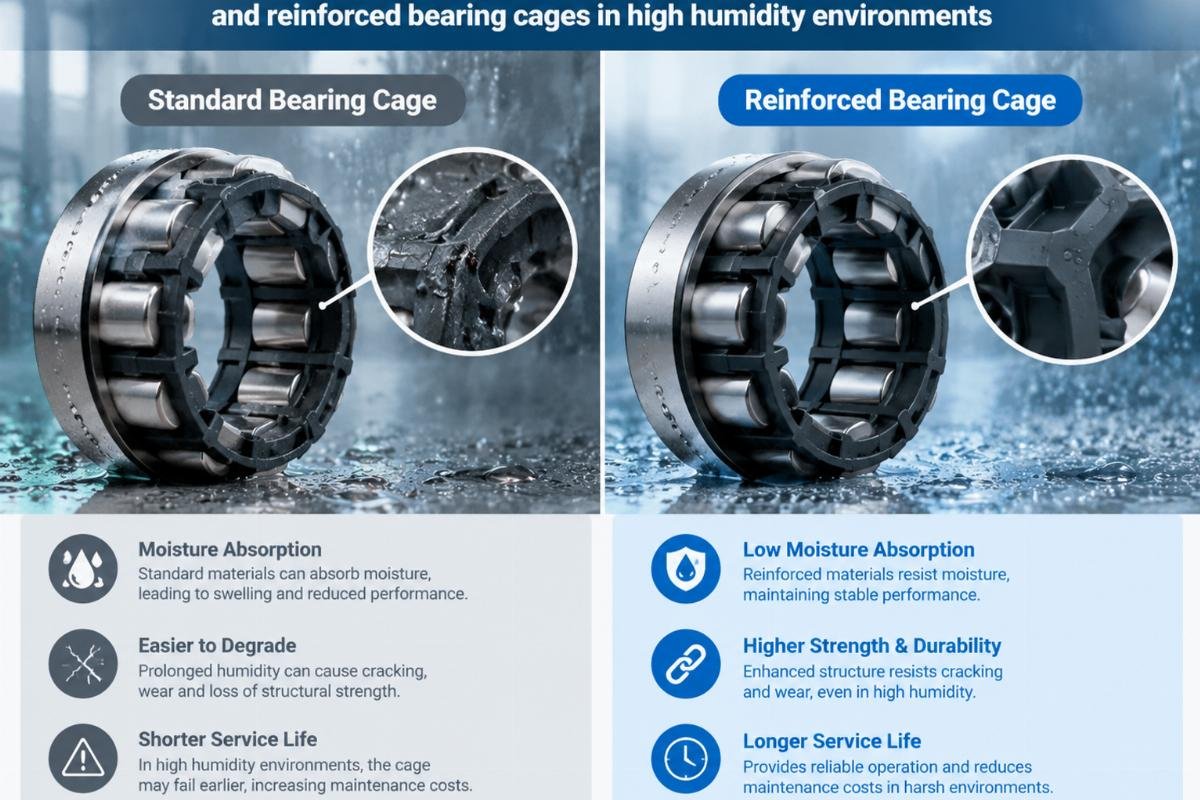
The lesson was clear. In industrial maintenance, especially with precision German machinery, the base number is merely the starting point. The real story lies in the letters that follow. As a German machinery bearing replacement: genuine SKF/FAG wholesale supplier, I see this mistake repeatedly. Buyers focus on the primary identifier and overlook the critical specifications that dictate survival in harsh conditions.
Why Do “Exact Match” Replacements Still Fail in German Gearboxes?
Base numbers ignore critical suffixes for clearance and cage materials.
When you look at a bearing designation like 6205 or 22210, you are seeing the dimensional series. You know the bore, the outer diameter, and the width. But you do not know how much internal space exists for thermal expansion, nor do you know what material holds the rolling elements together. These details are encoded in the suffixes. [NEED_CITE: ISO standard for bearing designation systems]
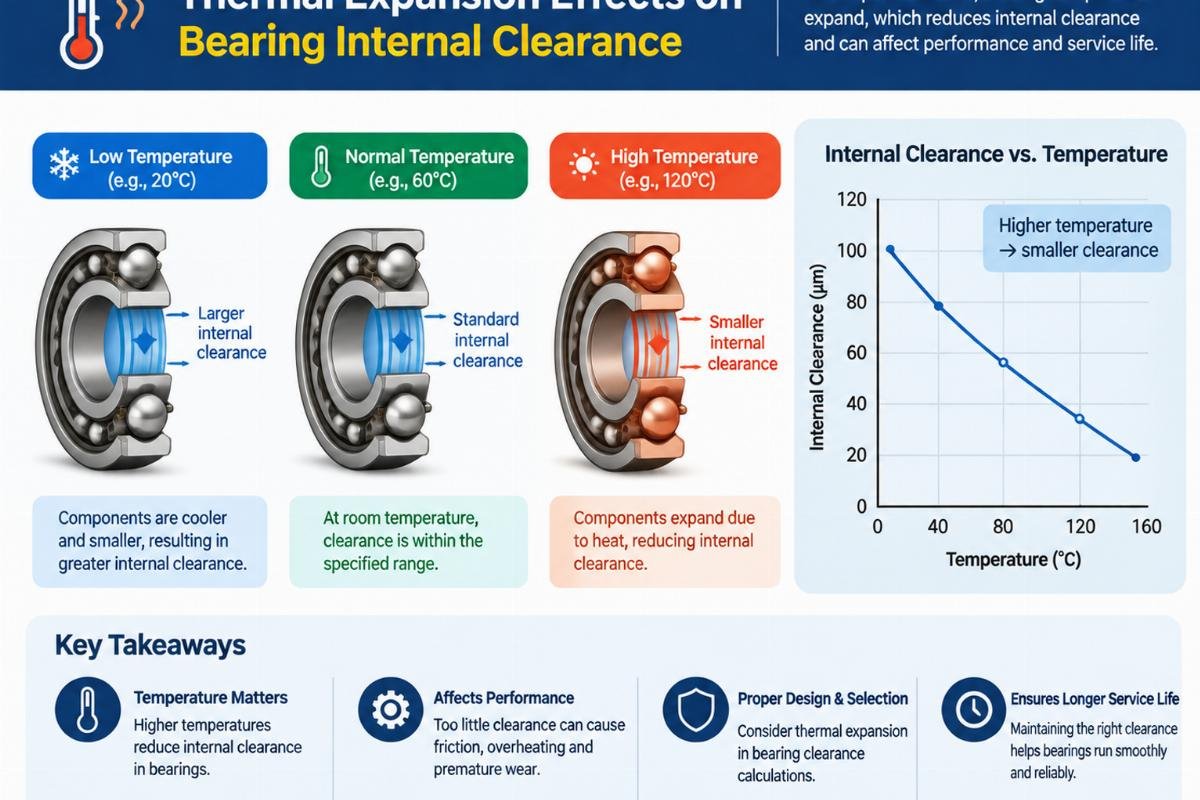
Consider a heavy-load mining crusher. A standard C3 clearance might work perfectly in a temperate climate. But move that same machine to a region with extreme ambient temperatures, and the internal clearance changes. If the bearing heats up during operation, the inner ring expands faster than the outer ring. Without sufficient initial clearance, the rolling elements get crushed. The result is rapid fatigue spalling. I have seen operators replace a failed bearing with an identical base model, only to face the same failure months later. The issue was never the load capacity. It was the thermal management encoded in the clearance suffix.
| Feature | Standard Suffix | Heavy-Duty/High-Temp Suffix | Impact on Performance |
|---|---|---|---|
| Internal Clearance | Normal (CN) | C3 or C4 | Prevents seizure due to thermal expansion |
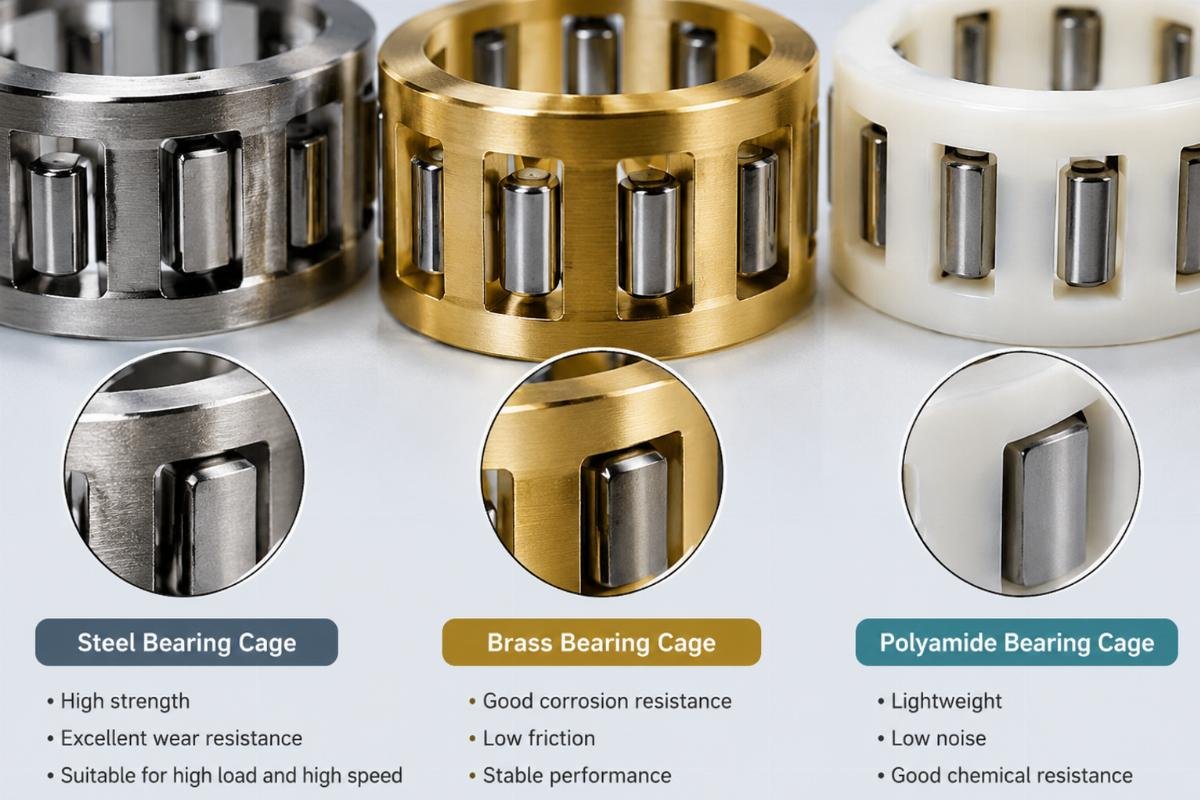
| Cage Material | Steel (Standard) | Brass or Polyamide | Resists vibration and chemical corrosion |
| Sealing Type | Open | RS1 or 2RS | Protects against dust and moisture ingress |
| Heat Treatment | Standard | Stabilized | Maintains dimensional stability at high temps |
This table illustrates why a simple model match fails. A German machinery bearing replacement: genuine SKF/FAG wholesale supplier must verify these suffixes against the actual operating environment. A steel cage might be cost-effective, but in a vibrating screen application, a brass or polyamide cage offers superior resilience. The base number does not tell you this. Only the suffix does. [NEED_CITE: manufacturer technical catalogs for cage material applications]
How to Select the Right Cage and Clearance for Harsh Environments?
Match cage materials to humidity and clearance to thermal expansion.
Selecting the correct bearing is an exercise in predicting failure modes. In humid climates, such as those found in Southeast Asia or coastal regions, moisture is the enemy. Standard steel cages can corrode if the lubricant film breaks down. This corrosion weakens the cage structure, leading to fragmentation under load. In one case, a European wind farm operator switched from standard steel cages to reinforced polyamide cages for their gearbox bearings. The change was driven by frequent maintenance cycles caused by cage wear. After the switch, the service life extended noticeably. The polyamide material resisted the corrosive elements better and handled the vibration with more flexibility. [NEED_CITE: industry maintenance association guidelines for harsh environment bearings]
Temperature is the other critical variable. For reducers operating above typical ambient levels, standard clearance is a trap. As the bearing operates, friction generates heat. This heat causes the metal components to expand. If the internal clearance is too tight, the expansion eliminates the running gap. The balls or rollers then press against the raceways with excessive force. This leads to immediate seizure or rapid wear. Using a C3 or C4 clearance bearing allows for this expansion. It ensures that even at peak operating temperatures, there is still room for the rolling elements to move freely.
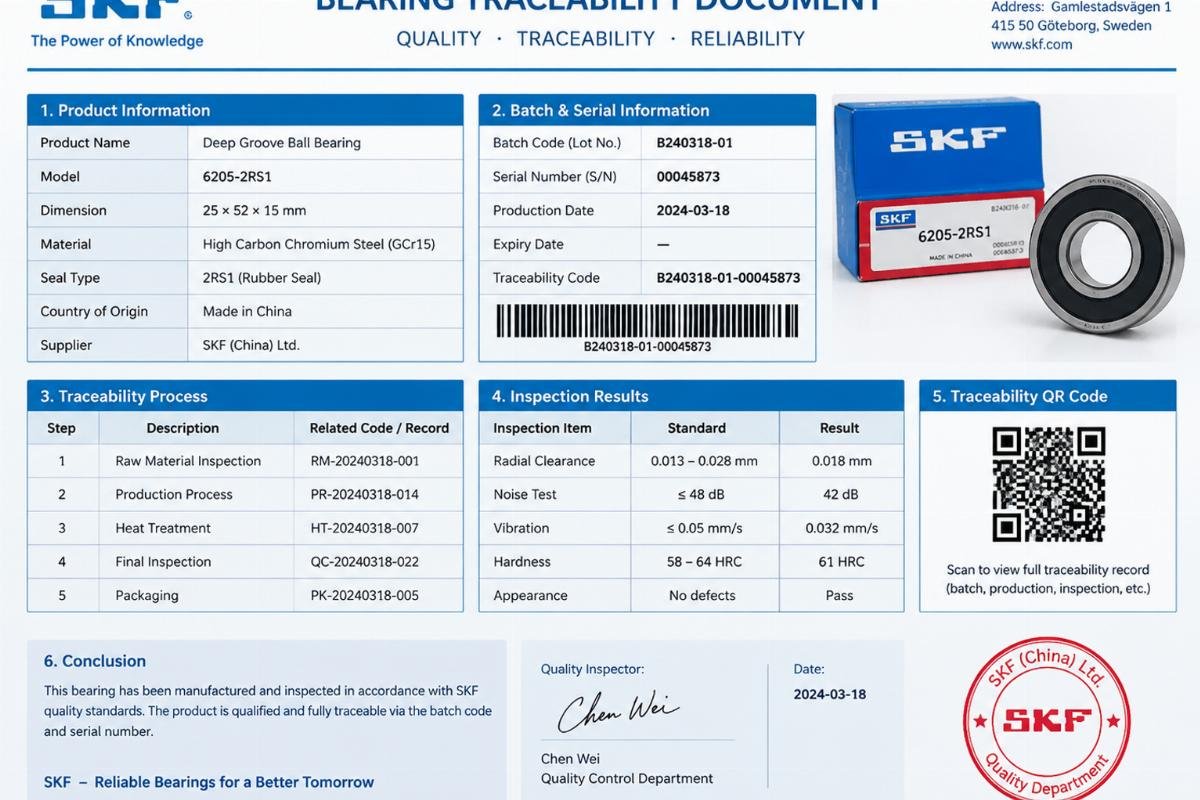
When sourcing these specialized units, verification is key. A reliable German machinery bearing replacement: genuine SKF/FAG wholesale supplier will provide traceability documents that confirm these suffixes. Do not accept a generic certificate. Ask for the specific batch data that lists the clearance group and cage material. This level of detail separates professional suppliers from general traders. It ensures that the part you receive matches the engineering requirements of your German machinery.
What Are the Hidden Costs of Choosing the Wrong Bearing Suffix?
Minor price differences lead to massive secondary downtime losses.
It is tempting to choose the cheapest option that matches the base model. After all, a bearing is a bearing, right? Wrong. The cost of the component is negligible compared to the cost of the machine it supports. When a bearing fails prematurely due to incorrect suffix selection, the consequences ripple through the entire operation.
First, there is the direct cost of replacement. Labor, tools, and the new bearing itself. But this is small. The real cost is the unplanned downtime. In a continuous process industry like steel manufacturing or cement production, every hour of stoppage represents lost revenue. I recall a client in the Middle East who saved a small amount on each bearing by ignoring the suffix requirements. Within a year, they faced three major breakdowns. Each breakdown required days to repair. The total loss ran into mid-six figures. This was far more than the savings they had achieved on the initial purchase. [NEED_CITE: economic impact of unplanned downtime in heavy industry]
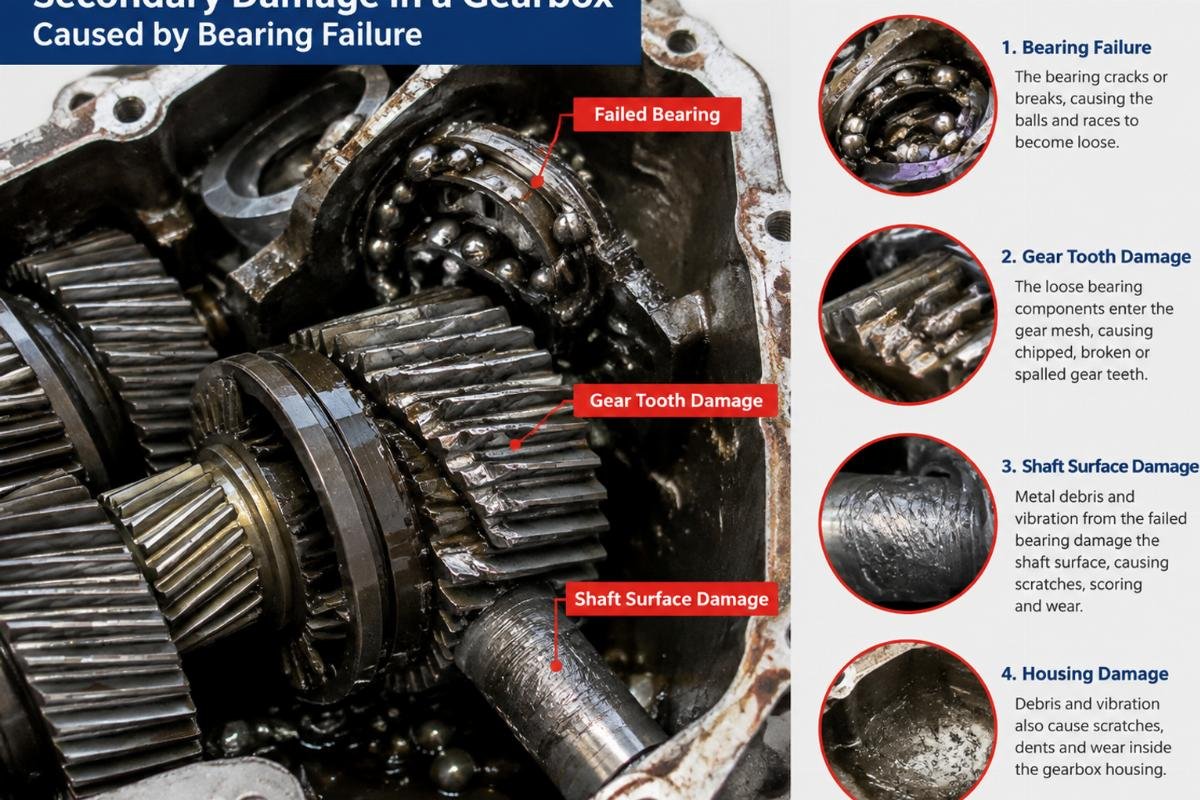
Second, there is the risk of secondary damage. A failing bearing does not just stop working. It often disintegrates. Shards of metal can enter the gearbox, damaging gears, shafts, and seals. Now, instead of replacing a single bearing, you are rebuilding the entire transmission unit. This multiplies the repair cost and extends the downtime significantly.
Choosing the right suffix is an insurance policy. It ensures that the bearing performs as designed. A German machinery bearing replacement: genuine SKF/FAG wholesale supplier understands this balance. They do not just sell parts; they help you avoid these hidden costs by ensuring the specification matches the application. The slight premium for a correctly specified bearing is insignificant compared to the protection it offers against catastrophic failure.
How to Verify Authenticity and Specs During Global Sourcing?
Demand traceability docs and use professional cross-brand consultation.
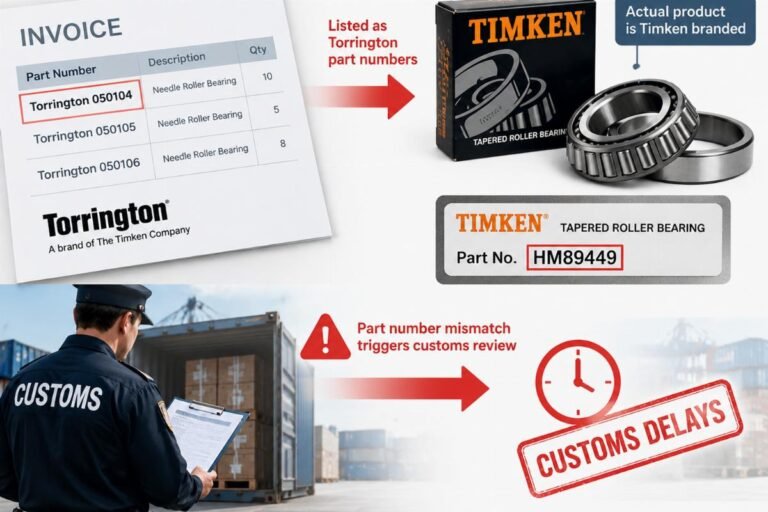
Sourcing genuine bearings from overseas requires vigilance. The market is flooded with counterfeits that look convincing but lack the metallurgical quality of the original. More subtly, even genuine bearings can be mismatched if the supplier does not understand the suffix system. They might send a standard clearance unit when you ordered a C3. Visually, they are identical. Functionally, they are worlds apart.
To protect your investment, you must demand full traceability. This means documentation that links the bearing back to the manufacturer’s production facilities. It should include the batch number, the date of manufacture, and the specific technical parameters. A reputable German machinery bearing replacement: genuine SKF/FAG wholesale supplier will provide this without hesitation. They understand that for MRO operators and distributors, proof of authenticity is as important as the product itself.
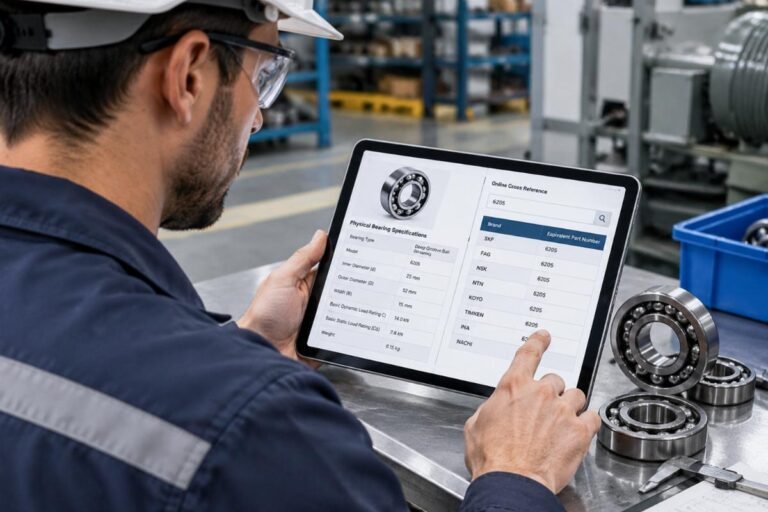
Additionally, leverage technical consultation. Do not rely solely on your own interpretation of the suffixes. Engage with suppliers who offer cross-brand equivalent lookup logic. If you are replacing an INA bearing with an SKF equivalent, the suffixes may not map one-to-one. Professional support ensures that the functional characteristics are preserved, even if the naming convention differs. This is particularly important when dealing with mixed-batch orders for large projects. Consistency across brands prevents confusion and ensures uniform performance. [NEED_CITE: best practices for cross-brand bearing substitution]
Conclusion
Suffixes determine survival, not just base numbers.
Replacing bearings in German machinery is a technical task, not just a logistical one. Ignoring clearance and cage material suffixes invites failure. By focusing on these critical details and sourcing from a trusted German machinery bearing replacement: genuine SKF/FAG wholesale supplier, you ensure reliability and minimize downtime. The right specification protects your equipment and your bottom line.

Written by
authorEditor covering global sourcing, supplier verification, and industrial product knowledge. Content is compiled from manufacturer specifications, industry standards, and hands-on experience with international B2B buyers. Every article is fact-checked before publishing to help procurement professionals make informed decisions.
View all posts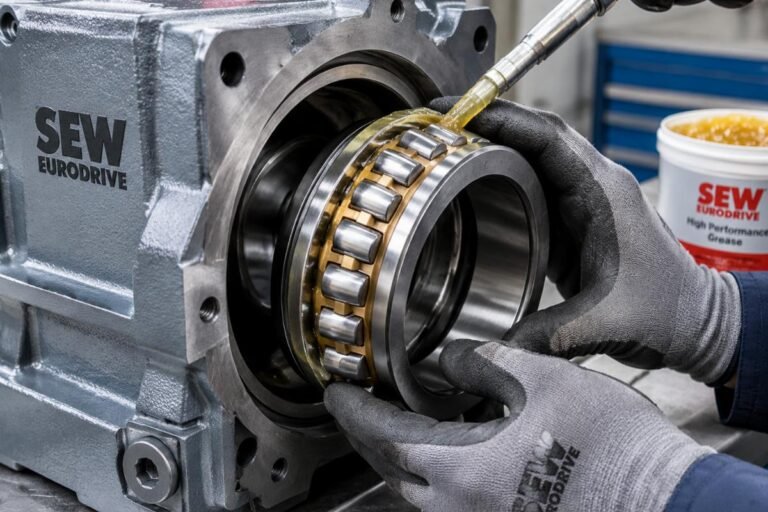
Leave a Reply