Harley-Davidson Motorcycle Wheel Bearing Equivalents Wholesale Supplier
Identical outer dimensions do not guarantee identical performance in extreme heat.
True bearing equivalence for Harley-Davidson touring models requires matching dynamic specifications such as internal clearance, cage material composition, and taper angle geometry, rather than relying solely on static dimensional measurements. Selecting the correct cross-reference from premium brands like SKF, FAG, or TIMKEN demands a rigorous analysis of thermal expansion behavior and load distribution characteristics specific to harsh operating environments.
I learned this lesson the hard way in a sweltering workshop in Riyadh. A customer needed front wheel bearings for a Harley touring model urgently. Relying on basic dimensional checks, I supplied a standard tapered roller bearing that matched the inner and outer diameters perfectly. Within a few thousand kilometers of desert riding, the cage fractured under thermal stress. The client pointed at the scattered metal fragments with justified anger. That failure was not due to incorrect sizing but to a mismatch in internal geometry and material tolerance. Since then, I have observed countless aftermarket suppliers compromise their reputation by treating bearing replacement as a simple size-matching exercise. In high-temperature climates, the difference between a functional component and a catastrophic failure lies in the unseen specifications. [NEED_CITE: impact of thermal expansion on bearing clearance in high-ambient temperatures]

Understanding these nuances is critical for distributors and MRO operators who serve regions with demanding environmental conditions. This guide details how to identify genuine equivalents and avoid common pitfalls in sourcing.
Why Dimensional Matching Fails in Harsh Climates?
Static dimensions provide only a partial picture of bearing capability. While the inner diameter, outer diameter, and width must match the housing and shaft, they do not dictate how the bearing behaves under load and heat. The internal dynamic specs determine longevity.
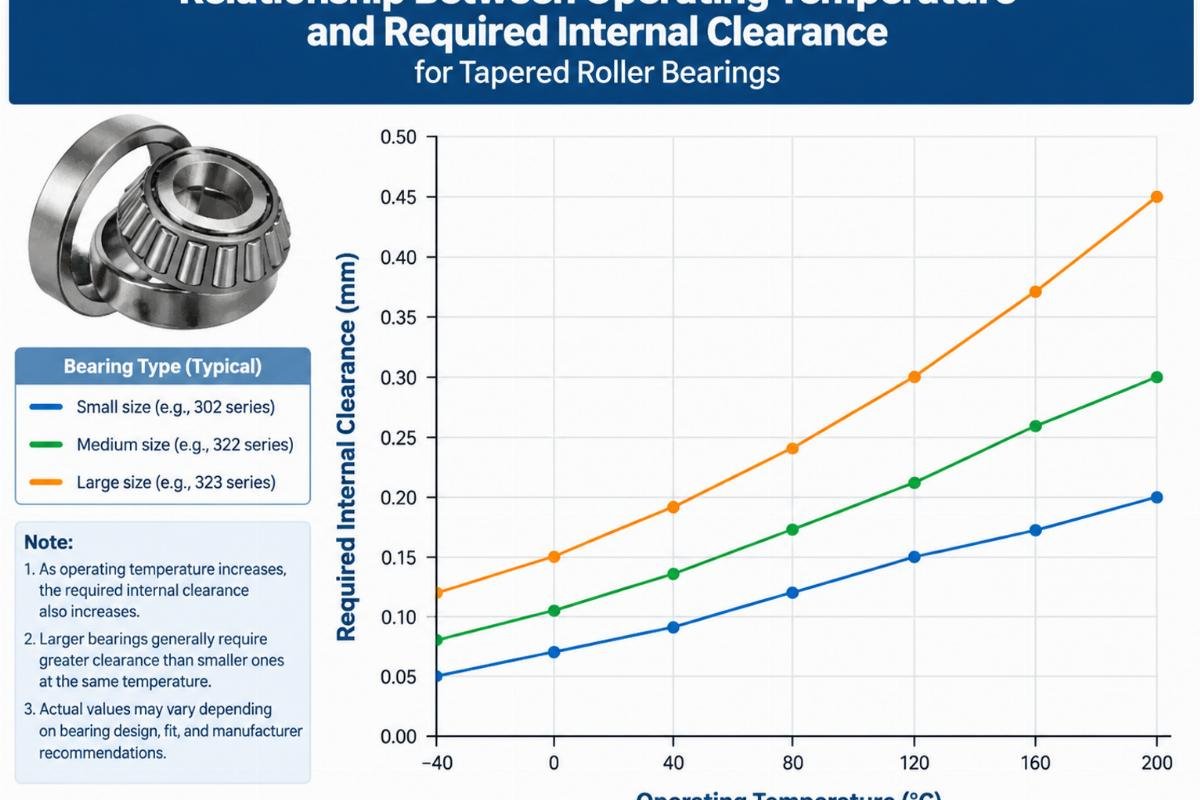
In desert environments, ambient temperatures combined with frictional heat from braking and riding cause significant thermal expansion. If the internal clearance is too tight, the rolling elements bind as the metal expands. This generates excessive heat, leading to lubricant breakdown and eventual seizure. Conversely, excessive clearance causes vibration and premature fatigue. [NEED_CITE: ISO standards for bearing internal clearance selection based on operating temperature]
Consider the case of a Middle East steel mill operator who also managed a fleet of support vehicles. He sourced replacements based purely on part number cross-references that ignored clearance codes. The bearings failed repeatedly during summer months. Upon inspection, the raceways showed signs of smearing caused by insufficient operational clearance. Switching to bearings with specified C3 or C4 clearance resolved the issue. These clearance classes allow for greater internal space to accommodate thermal growth without compromising structural integrity.
Another critical factor is the cage material. Standard steel cages may suffice in temperate climates but can suffer from differential expansion issues in extreme heat. High-temperature applications often require cages made from specialized materials or designed with enhanced thermal stability. Ignoring this specification leads to the type of cage fragmentation I witnessed in Riyadh. [NEED_CITE: material properties of bearing cages under high-temperature stress]
When evaluating Harley-Davidson motorcycle wheel bearing equivalents wholesale supplier options, buyers must request detailed specification sheets that include clearance class and cage material data. Do not accept generic dimension-only charts.
How to Cross-Reference Premium Brands (SKF/FAG/TIMKEN)?
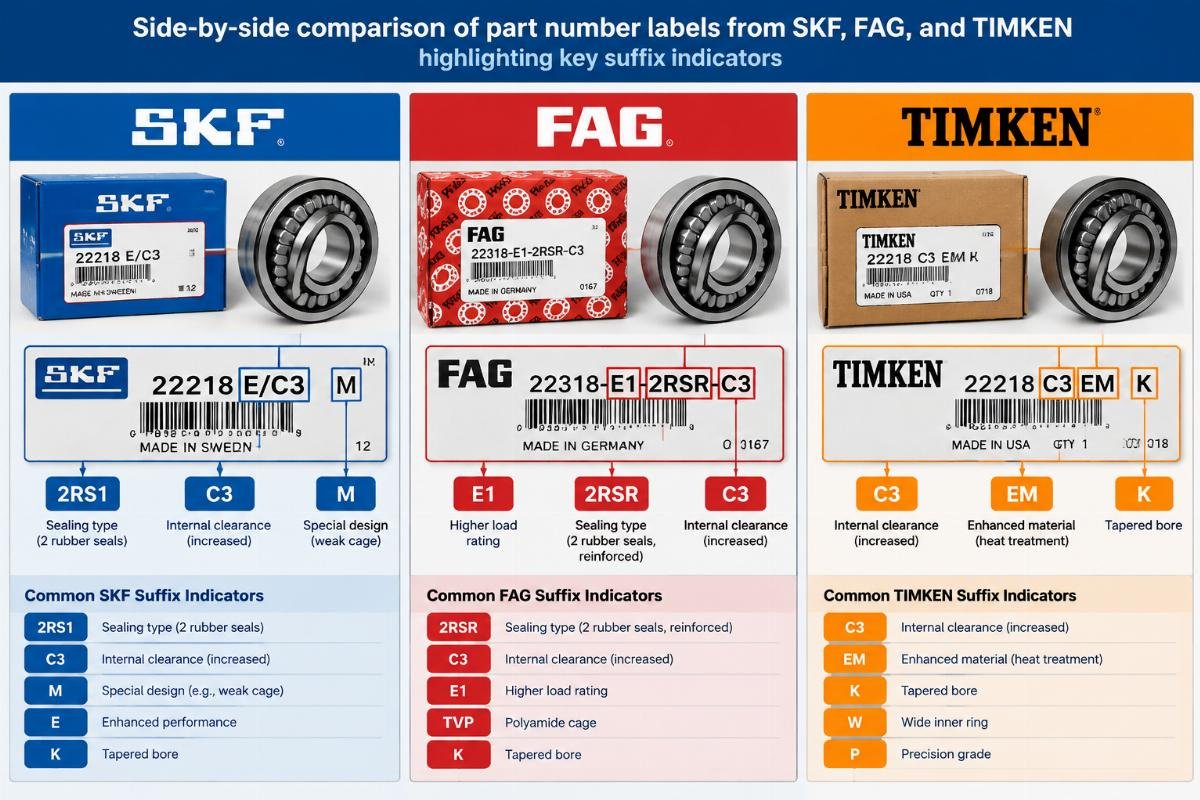
Cross-referencing involves more than finding a part number that looks similar. It requires verifying that the alternative brand meets or exceeds the original equipment manufacturer’s dynamic load ratings and geometric precision. Premium brands like SKF, FAG, and TIMKEN offer extensive catalogs, but their numbering systems differ.
A reliable cross-reference process starts with the OEM part number. From there, one must consult the technical databases of the target brands. However, automated lookup tools sometimes suggest alternatives that are dimensionally correct but differ in precision grade or internal design. For Harley-Davidson wheels, which endure significant lateral loads during cornering, the taper angle and contact pattern are vital. [NEED_CITE: methodology for cross-referencing tapered roller bearings across major manufacturers]
| Specification | Standard Aftermarket Equivalent | Premium Brand Equivalent (SKF/FAG/TIMKEN) | Impact on Performance |
|---|---|---|---|
| Internal Clearance | Often unspecified or standard | Explicitly defined (e.g., C3, C4) | Prevents thermal binding in hot climates |
| Cage Material | Basic steel | Optimized steel or polymer composites | Enhances heat resistance and durability |
| Precision Grade | General purpose | Higher precision tolerances | Reduces vibration and noise |
| Load Rating | Nominal match | Verified dynamic load capacity | Ensures safety under heavy touring loads |
| Lubrication | Generic grease | Specialized high-temp formulations | Extends service life in harsh conditions |
This table highlights why a direct swap is not always safe. A US buyer once reported that a batch of bearings sourced from a low-cost supplier failed prematurely on touring bikes used in Arizona. The parts matched the dimensions but lacked the precise cage guidance features found in the OEM-spec TIMKEN units. The resulting misalignment caused uneven wear.
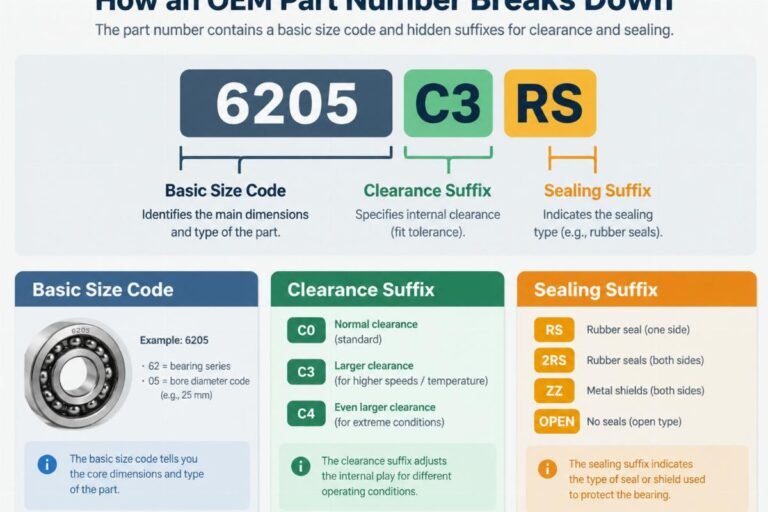
To avoid such issues, verify the suffix codes in the part numbers. These codes often indicate clearance, seal type, and cage material. For instance, a suffix indicating a C3 clearance is essential for high-temperature operations. When working with a Harley-Davidson motorcycle wheel bearing equivalents wholesale supplier, insist on confirmation of these suffixes. [NEED_CITE: interpretation of bearing part number suffixes for clearance and material codes]
What Cage & Clearance Specs Prevent Desert Failures?
Selecting the right cage and clearance is the most effective way to prevent failures in hot climates. The cage holds the rolling elements in place and guides them through the load zone. If it fails, the bearing disintegrates.
In my experience, standard stamped steel cages are prone to distortion when subjected to the rapid heating and cooling cycles of desert riding. Modern equivalents often use machined brass or reinforced polymer cages that maintain their shape better under thermal stress. These materials have different coefficients of thermal expansion compared to the races, which can be advantageous if engineered correctly. [NEED_CITE: comparative analysis of cage materials for high-temperature bearing applications]
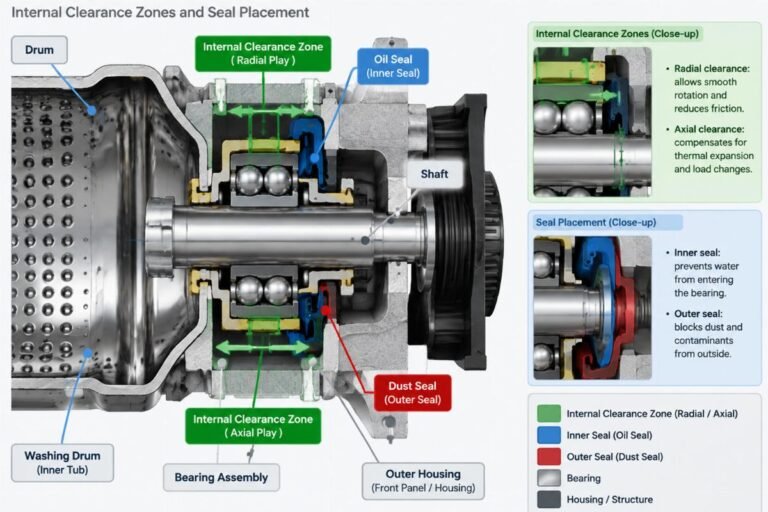
Clearance selection is equally critical. For Harley-Davidson front wheels, which generate significant heat from disc brakes, a C3 clearance is often the minimum requirement. In extremely hot regions, C4 clearance may be necessary to ensure that the bearing does not preload itself as it heats up. Preloading occurs when the inner race expands more than the outer race, reducing the internal gap until the rollers are crushed against the races.
A European wind farm operator faced similar issues with generator bearings in a hot coastal region. By switching from standard clearance to C3, they noticed a substantial extension in service life. The same principle applies to motorcycle wheels. The rotational speeds are lower, but the thermal environment is aggressive.
When sourcing, ask specifically for bearings with verified C3 or C4 clearance. Do not assume that “standard” clearance is adequate. Many budget suppliers stock only standard clearance bearings because they are cheaper to produce and sell in higher volumes globally. For a Harley-Davidson motorcycle wheel bearing equivalents wholesale supplier, maintaining stock of these specific clearance variants is a mark of technical competence. [NEED_CITE: guidelines for selecting bearing clearance based on shaft and housing material thermal expansion]

How to Source Mixed-Batch Equivalents Efficiently?
Efficient sourcing involves balancing inventory costs with availability. MRO operators and aftermarket distributors often need small quantities of various bearing types to cover urgent repairs. Ordering full containers of a single part number is impractical for diverse maintenance needs.
Consolidated shipping allows buyers to mix different brands and sizes in one shipment. This approach reduces lead times and logistics costs. However, it requires a supplier with a broad inventory and robust quality control. Mixing batches from different manufacturers increases the risk of receiving inconsistent quality if the supplier does not verify each item. [NEED_CITE: best practices for mixed-brand bearing procurement and quality assurance]
I have seen workshops struggle with long lead times because they relied on single-brand distributors who did not stock niche clearance variants. By working with a supplier who offers multi-brand consolidation, they could source TIMKEN for critical high-load applications and SKF for general use, all in one shipment. This flexibility minimized downtime.
Key considerations for efficient sourcing include:
- Verification of Authenticity: Ensure the supplier provides traceability documentation for each brand. Counterfeit bearings are prevalent in the aftermarket.
- Technical Support: The supplier should offer cross-reference consultation to confirm that the selected equivalent matches the required dynamic specs.
- Flexible MOQ: Ability to order small quantities for emergency spares without prohibitive price penalties.
A global distributor serving multiple regions noted that consolidating orders reduced their administrative overhead significantly. Instead of managing five different invoices from five brands, they handled one consolidated shipment. This efficiency allowed them to respond faster to customer requests for Harley-Davidson motorcycle wheel bearing equivalents wholesale supplier solutions. [NEED_CITE: economic benefits of consolidated logistics for MRO spare parts]

Conclusion
Precision in specification outweighs simplicity in sizing.
Successful replacement of Harley-Davidson wheel bearings depends on understanding dynamic factors like clearance and cage material, especially in harsh climates. Relying on dimensional matches alone invites failure. Partnering with a knowledgeable Harley-Davidson motorcycle wheel bearing equivalents wholesale supplier who prioritizes technical accuracy ensures reliability and longevity for end-users.

Written by
authorEditor covering global sourcing, supplier verification, and industrial product knowledge. Content is compiled from manufacturer specifications, industry standards, and hands-on experience with international B2B buyers. Every article is fact-checked before publishing to help procurement professionals make informed decisions.
View all posts
Leave a Reply