Replace Old MRC & New Departure Bearings: Wholesale Supplier
Same dimensions do not guarantee same load capacity.
Replacing legacy MRC and New Departure bearings requires precise load and clearance verification, not just copying old part numbers, to prevent premature failure. Accurate cross-referencing demands checking dynamic ratings, internal clearance codes like C3 or C4, and manufacturing tolerances against modern ISO standards rather than relying on obsolete dimensional matches alone.
I still remember the heat rising from the spindle housing in a Qingdao machine shop years ago. The line was down, and the pressure was mounting. We needed an MRC angular contact ball bearing, and the local supplier had a unit with identical outer and inner diameters. It fit perfectly into the housing. I signed off on the installation, thinking the job was done. Within hours, the spindle seized. The issue was not the size but the internal clearance. The replacement had a standard clearance, while the original application required a specific preload setup for high-speed operation. That failure cost more than just the price of a new bearing; it halted production for days. This experience reshaped how I approach every request for legacy bearing substitution. Today, when clients bring me old MRC or New Departure parts, I do not look at the part number first. I look at the application conditions.
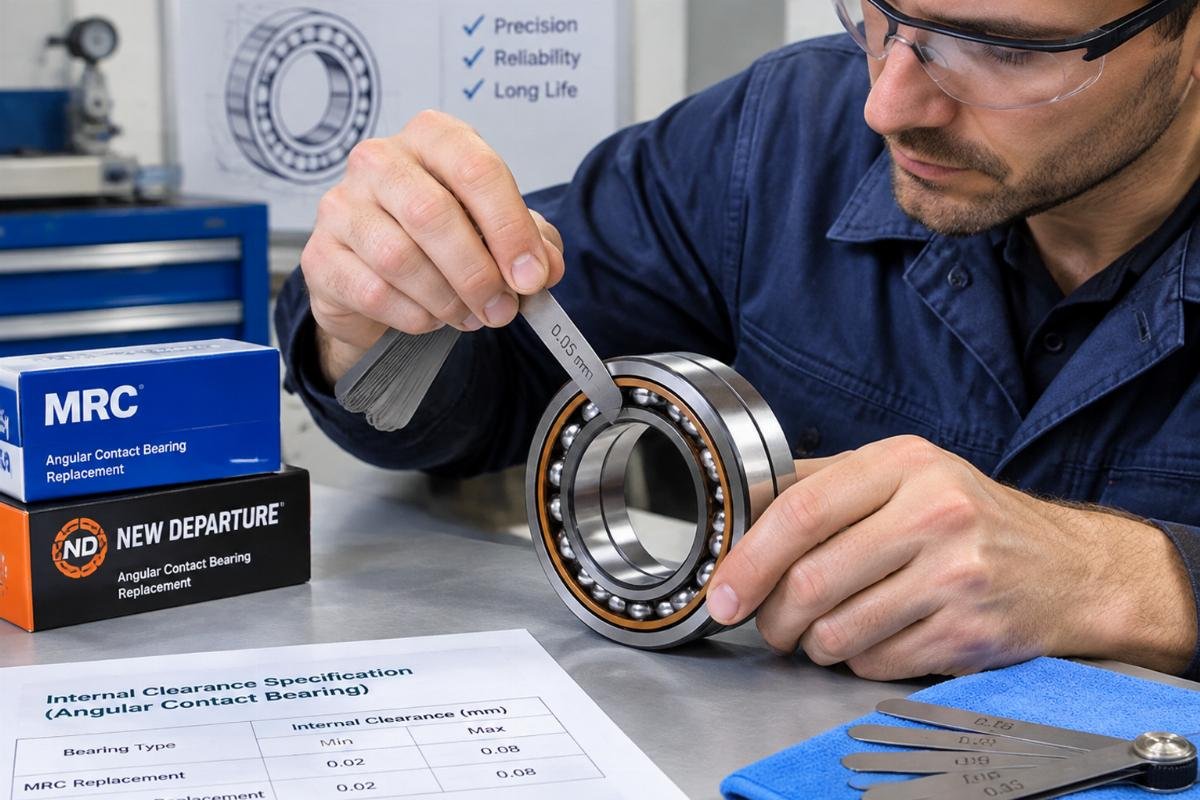
The market is full of suppliers who will sell you a bearing that fits physically but fails functionally. Understanding why simple dimension matching fails is the first step toward reliable procurement.
Why Simply Copying Old Part Numbers Fails?
Legacy specifications often differ significantly from modern manufacturing tolerances and material standards.
MRC and New Departure were prominent brands in the mid-20th century, particularly in North American industrial applications. Over time, these brands were acquired, merged, or discontinued, and their product lines were absorbed into larger conglomerates. However, the engineering standards used during their peak production era do not always align with current ISO or ABMA guidelines. [NEED_CITE: historical evolution of bearing tolerance standards from ABMA to ISO]
When you copy an old part number, you are assuming that the modern equivalent shares the same metallurgical properties and geometric precision. This is rarely true without verification. For instance, older bearings might have been manufactured with different steel cleanliness levels or heat treatment processes. A modern deep groove ball bearing might match the bore and outside diameter of an old New Departure unit, but its raceway curvature and ball complement could differ. These subtle changes affect load distribution. If the load capacity is lower in the modern equivalent, the bearing will suffer from early fatigue spalling under the same operational stress.
Furthermore, sealing technologies have evolved. An old MRC bearing might have used a simple metal shield, while the modern cross-reference offers a rubber-sealed unit. While the seal improves contamination resistance, it also increases friction and operating temperature. In high-speed applications, this added friction can lead to thermal expansion, altering the internal clearance and causing failure. [NEED_CITE: impact of sealing types on bearing operating temperature and friction]
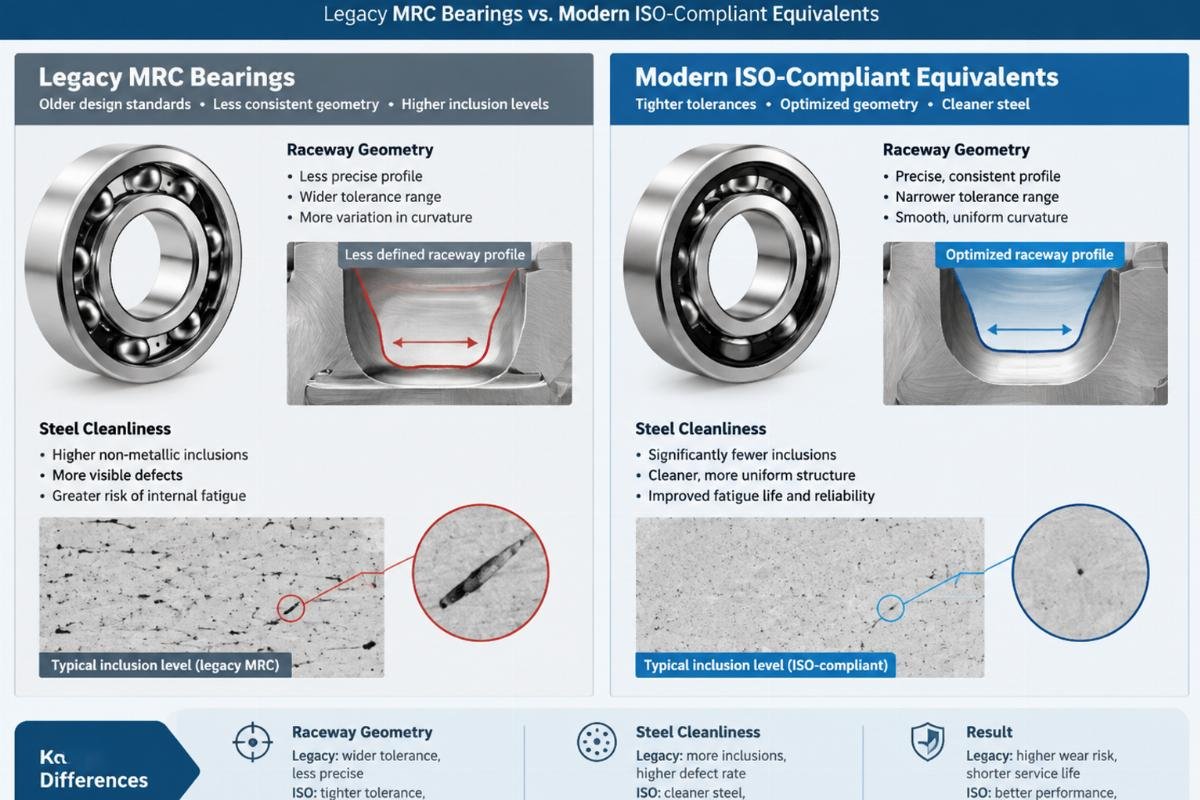
To avoid these pitfalls, buyers must treat every cross-reference as a hypothesis that needs validation through technical data sheets, not just catalog dimensions.
How to Verify Load and Speed Requirements?
Cross-checking dynamic ratings and limiting speeds is essential before approving any substitution.
The core argument for replacing legacy MRC/New Departure bearings is that precise load and clearance verification prevents premature failure. This verification starts with the basic load ratings. Every bearing has a dynamic load rating (C) and a static load rating (Co). The dynamic rating determines the fatigue life under rotating conditions, while the static rating applies to stationary or slow-moving loads. [NEED_CITE: definition and calculation of dynamic vs static load ratings per ISO 281]
In many cases, a modern equivalent might have a higher dynamic load rating due to improved steel quality. However, if the application involves heavy shock loads, the static rating becomes critical. A bearing with a high dynamic rating but a lower static rating might deform permanently under a sudden impact, leading to immediate failure. I once consulted for a mining site where conveyor rollers kept failing. The replacement bearings matched the dynamic load requirements but had insufficient static capacity for the heavy start-up loads of the loaded belt. Switching to a spherical roller bearing with a higher static rating resolved the issue.
Speed limits are equally important. The limiting speed of a bearing depends on its design, cage material, and lubrication method. Old MRC angular contact bearings were often designed for specific spindle speeds with oil mist lubrication. Replacing them with a grease-lubricated modern equivalent can drastically reduce the allowable speed. If the machine operates near the original limit, the new bearing will overheat. [NEED_CITE: factors influencing bearing limiting speed including cage design and lubrication]
| Parameter | Legacy MRC/New Departure Spec | Modern Equivalent Requirement | Verification Method |
|---|---|---|---|
| Dynamic Load Rating | Often based on older ABMA standards | Must meet or exceed ISO 281 calculations | Compare C values in technical datasheets |
| Static Load Rating | Varied by manufacturing batch | Critical for shock load applications | Check Co value against peak static loads |
| Limiting Speed | Dependent on original lubrication | Affected by cage type and seal friction | Verify RPM limits with supplier engineering team |
| Internal Clearance | Often unspecified in old catalogs | Must match C3, C4, or standard per application | Measure or request clearance certification |
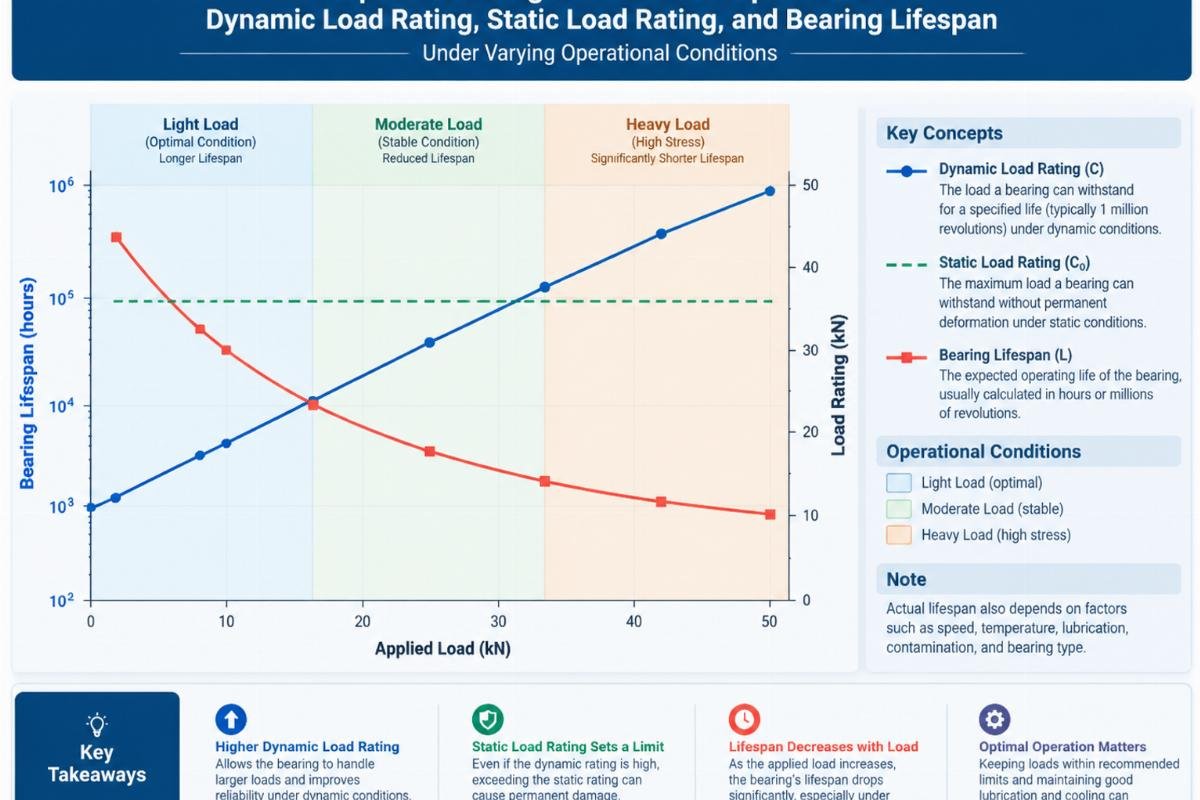
Verifying these parameters ensures that the replacement bearing can handle the actual working conditions, not just the nominal dimensions.
Matrix: Modern Equivalents for MRC & New Departure
Direct comparison of deep groove and angular contact types reveals critical substitution paths.
Finding the right modern equivalent for MRC and New Departure bearings requires a structured approach. Below is a general matrix comparing common legacy types with their modern counterparts. Note that this is a starting point, and specific series numbers must be verified against current brand catalogs like SKF, FAG, or NSK. [NEED_CITE: general cross-reference guidelines for obsolete bearing brands]
| Legacy Type | Common Application | Modern Equivalent Type | Key Considerations |
|---|---|---|---|
| MRC Deep Groove Ball | General machinery, motors | Standard Deep Groove Ball (ISO 15) | Check seal type and clearance code |
| MRC Angular Contact | Spindles, pumps | Angular Contact Ball (ISO 49) | Verify contact angle and preload class |
| New Departure Tapered Roller | Wheel hubs, gearboxes | Tapered Roller Bearing (ISO 355) | Ensure cup and cone match as a set |
| New Departure Spherical Roller | Heavy industry, conveyors | Spherical Roller Bearing (ISO 15) | Confirm cage material for high temps |
For distributors and MRO managers, sourcing these equivalents can be challenging due to fragmented supply chains. Many suppliers only offer single-brand solutions, forcing buyers to manage multiple vendors. This fragmentation increases lead times and complicates inventory management. A more efficient approach is to work with a supplier who offers mixed-brand packages. This allows you to consolidate orders for SKF, FAG, NSK, and domestic Chinese brands like ZWZ or HRB into a single shipment. [NEED_CITE: benefits of consolidated sourcing for MRO inventory management]
In one case, a regional distributor in Southeast Asia was struggling to source obsolete MRC parts for textile machinery. By switching to a one-stop sourcing model, they reduced their SKU count and lead time significantly. The supplier provided technical selection support to identify the best modern equivalents from various premium brands, ensuring compatibility and availability. This consolidation not only simplified logistics but also improved traceability, as all bearings came with complete documentation from a single source.

This matrix serves as a guide, but each application requires individual assessment to ensure the selected equivalent meets all operational demands.
What Documentation Do You Need for Traceability?
Ensuring material certs and origin proof is vital for custom clearance and quality assurance.
When importing bearings, especially for regulated industries like mining or wind power, documentation is as important as the product itself. Customs authorities and end-users increasingly require proof of origin and material certification. Without these documents, shipments can be delayed, or worse, rejected. [NEED_CITE: international trade compliance requirements for industrial components]
For legacy replacements, traceability is even more critical. Since the original manufacturer may no longer exist, you need to prove that the modern equivalent meets the necessary standards. This includes material certificates showing the steel grade and heat treatment process, as well as inspection reports verifying dimensional tolerances. [NEED_CITE: importance of material certificates for bearing quality assurance]
A European wind farm operator once faced a major audit because their replacement bearings lacked proper traceability. The bearings were genuine, but the paperwork was incomplete. This led to a costly review of their entire maintenance record. To avoid such issues, always request full documentation from your supplier. This should include certificates of conformity, material test reports, and proof of authorized distribution.
Additionally, for mixed-brand orders, ensure that each brand’s documentation is kept separate and clearly labeled. This simplifies the verification process for quality control teams and customs brokers. A professional supplier will provide these documents as part of the standard service, ensuring that every bearing in your shipment is fully traceable back to its manufacturing facility.
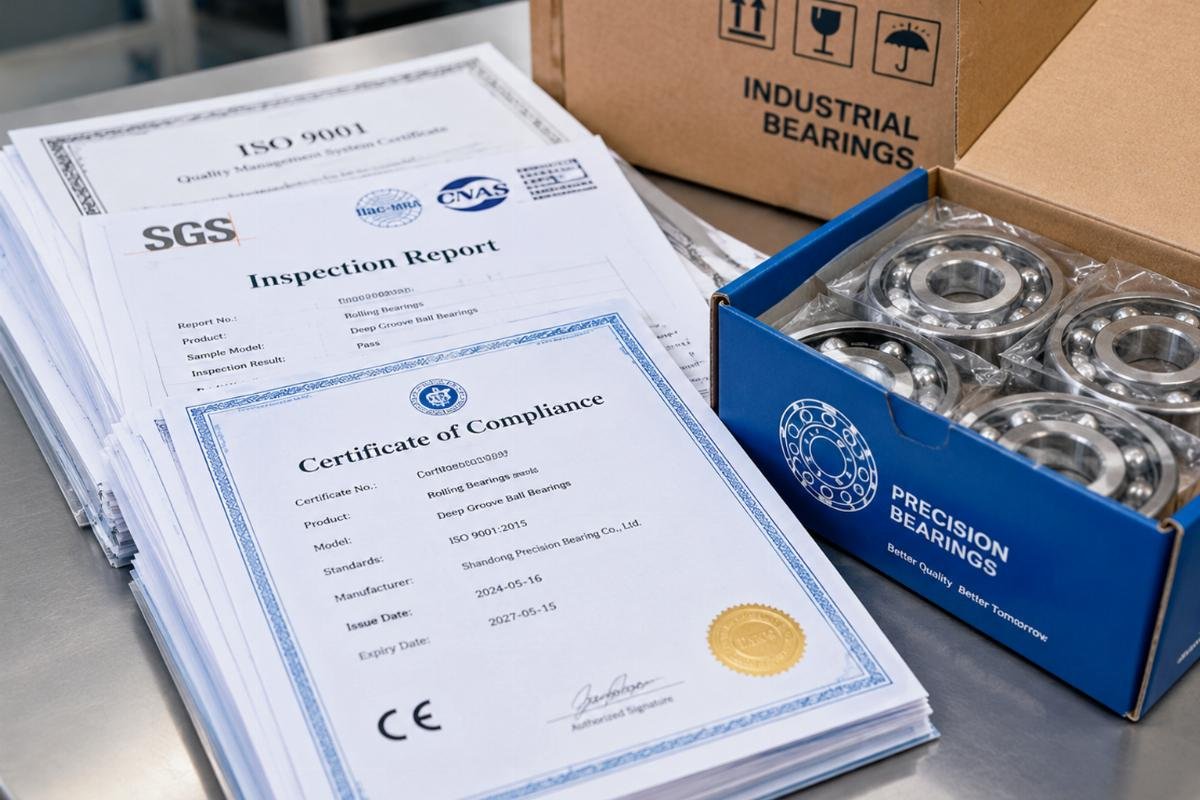
Proper documentation protects your business from regulatory risks and ensures that you can verify the quality of every bearing you install.
Conclusion
Precision in substitution prevents costly downtime.
Replacing old MRC and New Departure bearings is not a simple task of matching numbers. It requires a deep understanding of load capacities, clearance codes, and modern manufacturing standards. By verifying these technical details and ensuring proper traceability, you can avoid the pitfalls of premature failure. Partnering with a supplier who offers technical support and mixed-brand sourcing can streamline this process, ensuring that your operations remain efficient and reliable.

Written by
authorEditor covering global sourcing, supplier verification, and industrial product knowledge. Content is compiled from manufacturer specifications, industry standards, and hands-on experience with international B2B buyers. Every article is fact-checked before publishing to help procurement professionals make informed decisions.
View all posts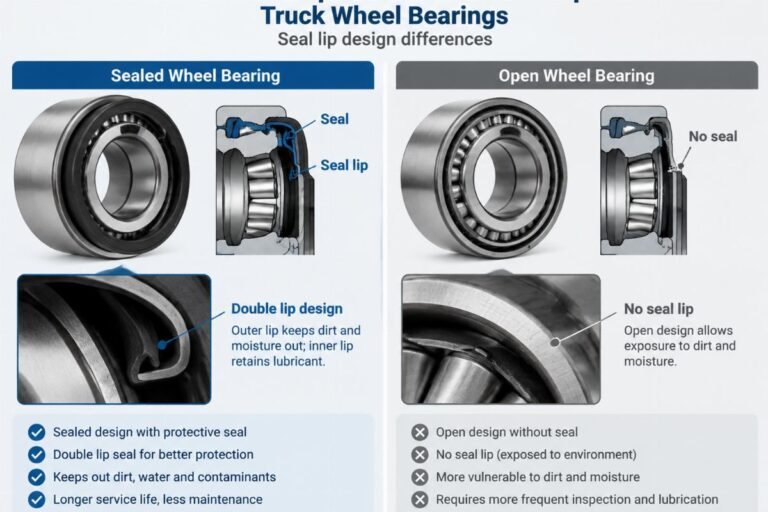
Leave a Reply