Flender Gearbox Bearing Equivalents Wholesale Supplier
Identical dimensions do not guarantee a functional replacement.
Selecting reliable Flender gearbox bearing equivalents requires matching internal geometry, load capacity, and clearance to specific operating conditions, not just physical dimensions, to prevent catastrophic failures. A direct dimensional swap without verifying dynamic load ratings or thermal expansion allowances often leads to premature cage fragmentation or thermal binding, regardless of the brand prestige.

I still remember the humidity in that cement plant kiln drive room in Vietnam. The air smelled of hot clinker and burnt grease. A Flender reducer had gone silent, not because of a gear tooth break, but because the main support bearing seized. The maintenance team, under pressure to restart the line, had sourced a replacement based solely on the outer diameter and bore size printed on the old unit. It looked identical. It fit into the housing with the same gentle tap. But within a month, the keepers shattered. The new bearing lacked the correct internal clearance for the high thermal expansion of the kiln shaft. That failure cost them more in lost production than the entire annual budget for spare parts. This is why I always start my consultations by asking about the operating temperature and load profile, not just the part number. When sourcing Flender gearbox bearing equivalents, the devil is in the internal details that catalogs often obscure. [NEED_CITE: ISO standards for bearing internal clearance and thermal expansion calculations]
Why Dimensional Equivalence Is Not Enough for Flender Gearboxes?
Physical fit is merely the entry ticket; internal geometry dictates survival.
Many buyers assume that if a bearing slides into the housing and onto the shaft, it is a valid equivalent. This is a dangerous misconception. Flender gearboxes are engineered with precise load distribution paths. The internal arrangement of rollers, the curvature of the raceways, and the material purity determine how stress is transferred from the gear teeth to the housing. A generic alternative might share the same boundary dimensions but possess a different contact angle or roller profile. This mismatch concentrates stress on small areas of the raceway, accelerating fatigue spalling long before the calculated L10 life is reached.
| Feature | Generic Dimensional Match | Engineered Flender Gearbox Bearing Equivalents |
|---|---|---|
| Internal Geometry | Standard ISO basic design | Optimized for specific load zones and misalignment tolerance |
| Load Distribution | Uneven, prone to edge loading | Uniform across roller length, reducing peak stress |
| Cage Design | Basic stamped steel, limited guidance | Robust machined or reinforced polymer, resistant to shock |
| Material Purity | Standard commercial grade | Vacuum-degassed steel with controlled inclusion density |
| Fatigue Life | Unpredictable, often significantly shorter | Consistent with OEM specifications under rated loads |
Consider a mining conveyor gearbox I inspected last year. The operator had replaced a cylindrical roller bearing with a visually similar unit from a non-specialized supplier. Under normal operation, it seemed fine. However, during heavy shock loads from large rocks hitting the crusher, the cage fragmented. The alternative bearing had a lower dynamic load rating and a cage design that could not withstand the inertial forces of the sudden deceleration. The result was not just a bearing failure, but secondary damage to the gear teeth and shaft. [NEED_CITE: Dynamic load rating calculation methods for heavy-duty industrial applications]

The key takeaway is that Flender gearbox bearing equivalents must be selected based on their ability to handle the specific mechanical stresses of the application. This involves verifying the dynamic and static load ratings against the OEM specifications. It is not enough to check the catalog dimension table; one must consult the technical data sheets for load capacity and fatigue limits. Suppliers who only provide dimensional drawings without performance data are selling potential failures, not solutions.
How to Match Spherical and Cylindrical Roller Bearing Equivalents?
Aligning dynamic load ratings and cage designs with specific Flender models is critical.
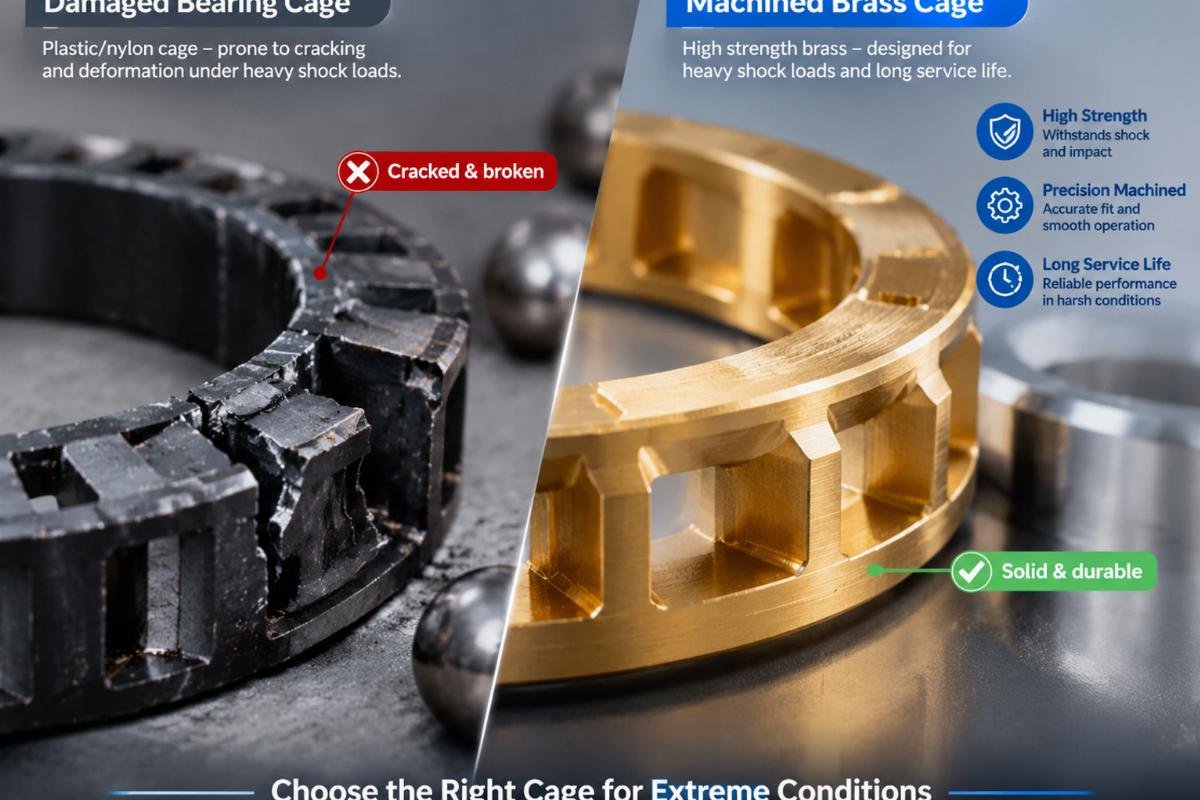
Spherical and cylindrical roller bearings serve distinct roles in Flender gearboxes. Spherical roller bearings accommodate misalignment and heavy radial loads, while cylindrical roller bearings handle high radial loads with minimal friction. When seeking alternatives, the cage material and design become paramount. In high-vibration environments like mining or cement grinding, a stamped steel cage may deform or crack. Machined brass or reinforced polyamide cages offer superior guidance and resistance to centrifugal forces.
A European wind farm operator once faced repeated failures in the yaw drive gearboxes. The original equipment used spherical roller bearings with a specific cage design optimized for low-speed, high-load oscillation. They switched to a cheaper alternative with a standard stamped cage. The constant reversing motion caused the cage pockets to wear rapidly, leading to roller skewing and eventual seizure. By switching to an equivalent with a machined brass cage, they extended the service life meaningfully. The cost difference was negligible compared to the crane rental required for tower repairs. [NEED_CITE: Industry association guidelines for cage material selection in oscillating applications]
When evaluating Flender gearbox bearing equivalents, request detailed specifications on cage type, material, and lubrication compatibility. Ensure the alternative bearing uses high-purity steel with controlled inclusion density. This reduces the risk of subsurface cracks initiating under heavy Hertzian contact stresses. Verify that the roller profiling matches the original design to ensure optimal load distribution across the entire contact area.
What Are the Critical Clearance and Lubrication Parameters?
Selecting correct C3/C4 clearances prevents thermal binding under heavy loads.
Internal clearance is perhaps the most overlooked parameter in bearing replacement. Standard clearance (C2 or Normal) is suitable for many applications, but Flender gearboxes operating under heavy loads or elevated temperatures often require increased internal clearance (C3 or C4). As the shaft heats up, it expands. If the bearing internal clearance is too tight, this expansion eliminates the running gap, causing the rollers to bind against the raceways. This generates excessive heat, which further expands the metal, leading to a thermal runaway scenario that destroys the bearing in hours.
I recall a marine winch gearbox where an alternative tapered roller bearing caused overheating issues. The installer had used a standard clearance bearing, ignoring the fact that the housing material had a different coefficient of thermal expansion than the shaft. Under continuous operation, the clearance vanished, and the bearing seized. The downtime lasted weeks while the vessel was docked. The solution was to install an equivalent with a carefully calculated C3 clearance, allowing for thermal growth without compromising rigidity. [NEED_CITE: Thermal expansion coefficients and bearing clearance selection charts]
Lubrication compatibility is equally vital. Some modern synthetic lubricants used in Flender gearboxes can degrade certain cage materials or seals. Ensure the alternative bearing uses materials compatible with the specified lubricant. Check the manufacturer’s recommendations for grease type and replenishment intervals. Using a bearing with incompatible seals can lead to lubricant leakage or contaminant ingress, both of which drastically reduce service life.

How to Verify the Authenticity and Quality of Alternative Bearings?
Checking traceability, material certs, and ISO compliance avoids counterfeit failures.
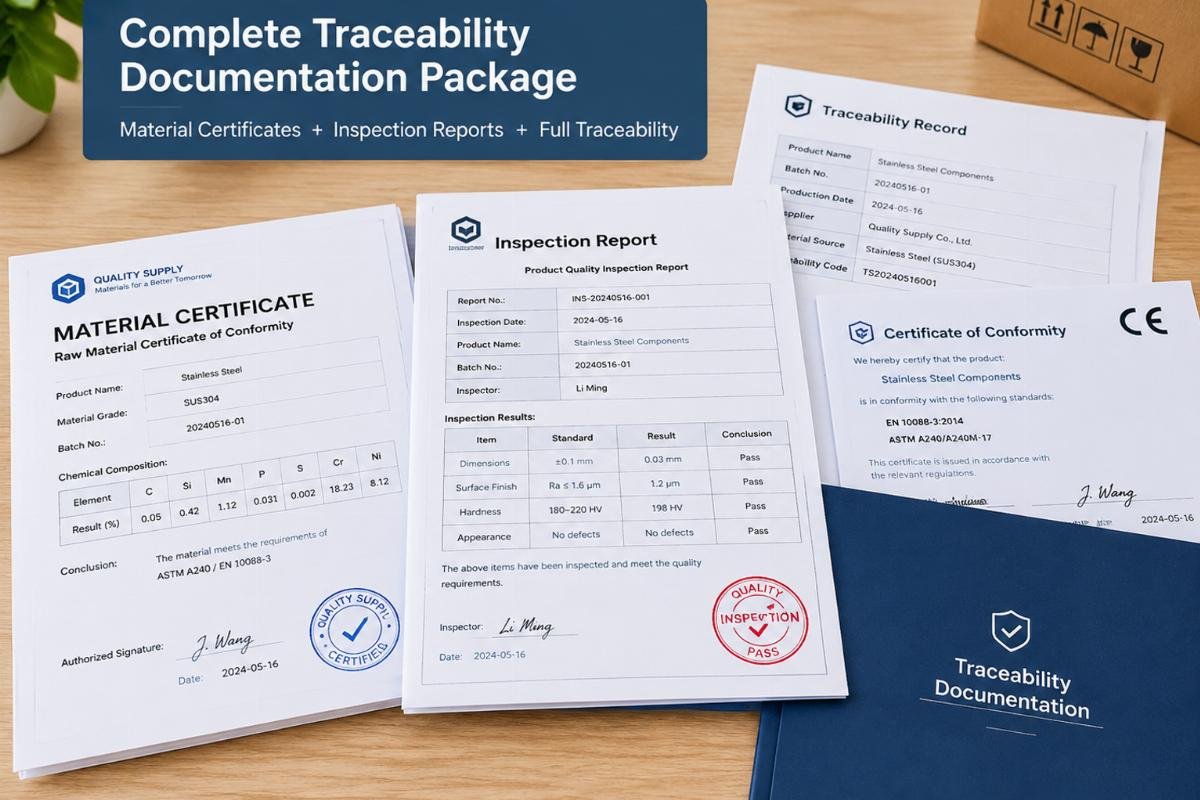
The market is flooded with bearings that look genuine but lack the metallurgical integrity required for heavy industry. Counterfeit or substandard bearings often use lower-grade steel with higher inclusion counts. These inclusions act as stress concentrators, initiating fatigue cracks early in the bearing’s life. To verify quality, demand full traceability documentation. This includes material certificates proving the steel origin and heat treatment process, as well as inspection reports confirming dimensional tolerances and surface finish.
A Middle East steel mill procurement manager once shared how they reduced unplanned downtime by implementing a strict verification protocol. They stopped buying from traders who could not provide batch-specific test certificates. Instead, they partnered with a Flender gearbox bearing equivalents wholesale supplier who offered complete transparency. Each shipment came with mill certificates and independent inspection reports. This diligence ensured that every bearing met the required ISO standards for precision and durability. [NEED_CITE: ISO standards for bearing dimensions, tolerances, and verification methods]
Look for suppliers who stock genuine products from premium global brands like SKF, FAG, NSK, and TIMKEN, as well as reliable domestic lines with proven track records. Avoid suppliers who hesitate to provide technical datasheets or origin proof. A reputable partner will also offer cross-brand technical consultation, helping you select the right equivalent based on your specific operating conditions rather than just pushing inventory. This level of support ensures that the alternatives you choose are not just cheap, but truly cost-effective over the lifecycle of the equipment.
Conclusion
Precision in selection prevents expensive operational failures.
Choosing the right Flender gearbox bearing equivalents demands a deep understanding of internal geometry, load dynamics, and thermal behavior. It is not a simple task of matching numbers on a drawing. By focusing on clearance, cage design, and material quality, operators can secure reliable alternatives that maintain equipment uptime. Partnering with a knowledgeable supplier who prioritizes technical accuracy over quick sales ensures that every replacement contributes to long-term reliability rather than future breakdowns.

Written by
authorEditor covering global sourcing, supplier verification, and industrial product knowledge. Content is compiled from manufacturer specifications, industry standards, and hands-on experience with international B2B buyers. Every article is fact-checked before publishing to help procurement professionals make informed decisions.
View all posts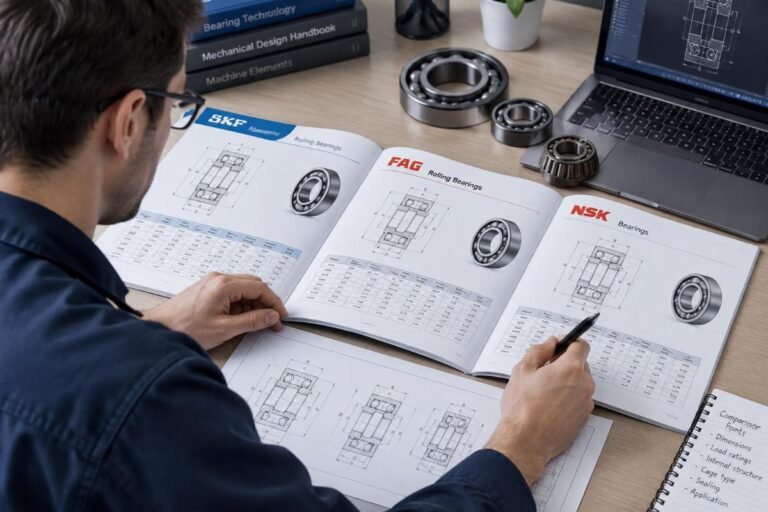

Leave a Reply