Inch to Metric Bearing Housing Replacement Supplier
Strictly adhering to original inch drawings often causes more downtime than practical field adaptations.
Replacing failed inch bearing housings with metric equivalents using machined transition sleeves is a faster, cost-effective solution that minimizes equipment downtime without sacrificing reliability. This approach bypasses long lead times for obsolete inch parts by leveraging the global availability of metric standards and precise engineering adjustments.

The dust in Riyadh never settles, and neither does the pressure when a primary crusher goes down. I remember standing next to a stalled jaw crusher, sweat stinging my eyes, staring at a main shaft bearing housing that had worn a distinct step into its bore. The local market had zero stock of that specific inch-series pillow block. My instinct, fresh from the trading floor, was to stick to the drawing. I insisted on waiting for the exact original part from overseas. That decision nearly cost us a major client contract due to extended production halts. It was a senior fitter who pulled me aside, handed me a caliper, and suggested we stop looking for a ghost and start engineering a solution. He showed me how to map the shaft, select a readily available metric housing, and machine a custom transition sleeve. We adjusted the clearance, installed it, and the crusher ran. That day shifted my perspective from rigid compliance to functional reliability. In high-stakes environments, the goal is not to worship the blueprint but to restore operation safely and swiftly. [NEED_CITE: common causes of bearing housing failure in heavy industry]
Why Consider Metric Equivalents for Inch Housings?
Metric options provide faster availability and lower costs without sacrificing reliability.
The global supply chain for industrial components has largely standardized on metric dimensions. While many legacy machines in North America and older installations elsewhere still rely on inch-based designs, the manufacturing ecosystem has shifted. Finding an exact inch replacement for an obsolete or niche housing can take weeks, involving custom casting or expensive air freight. In contrast, metric bearings and housings are mass-produced items held in stock by distributors across multiple regions.
The core argument here is not that inch standards are inferior, but that strict adherence to them during emergency maintenance creates unnecessary bottlenecks. A metric equivalent, when paired with a properly engineered transition sleeve, offers the same load-carrying capacity and service life. The key lies in understanding that the bearing itself is the critical precision component, while the housing serves as a structural support. As long as the interface between the shaft and the bearing inner ring, and between the bearing outer ring and the housing, is maintained within tolerance, the system performs reliably.
Consider the case of a cement plant operator dealing with a failed fan assembly. The original inch housing was discontinued. Instead of waiting months for a custom reproduction, the maintenance team sourced a standard metric spherical roller bearing unit. They machined a steel sleeve to adapt the metric bore to the inch shaft diameter. The result was a repair completed in days rather than months, with no compromise in vibration levels or thermal performance. [NEED_CITE: ISO standards for bearing mounting and fits]
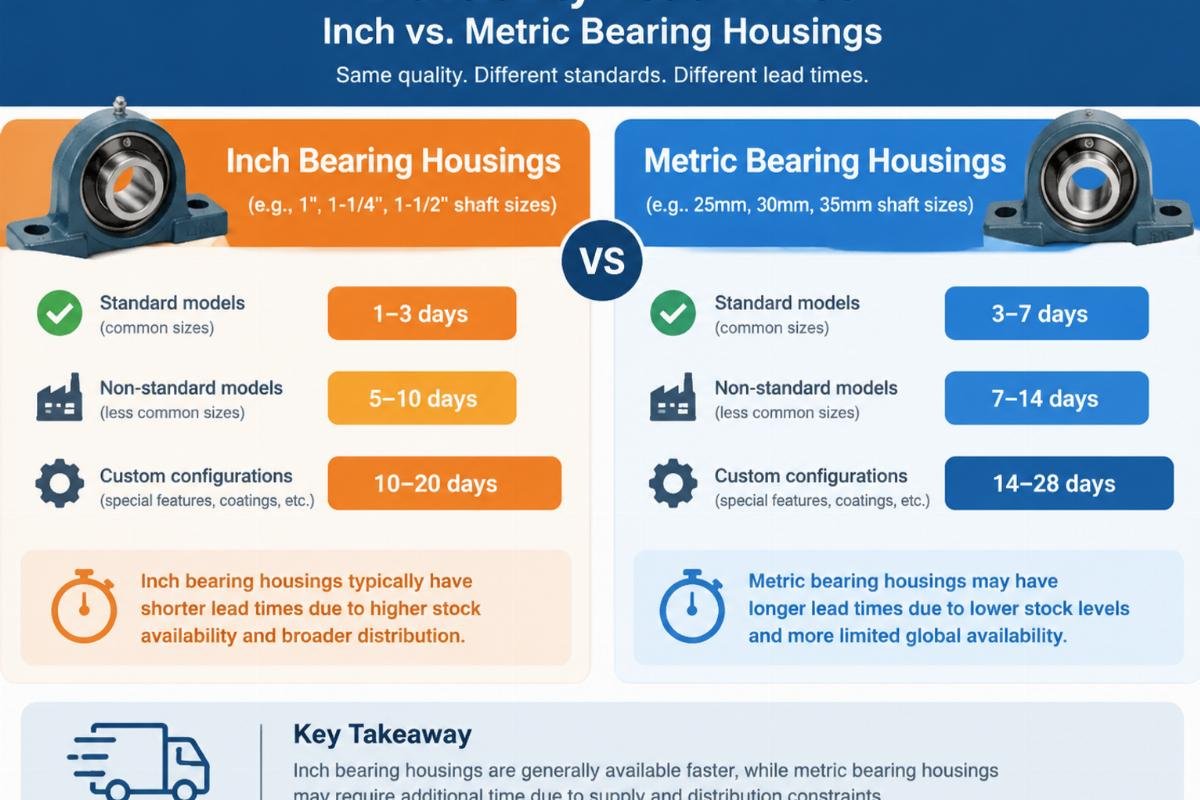
This shift requires a mindset change. Engineers and MRO managers must recognize that “equivalent” does not mean “compromise.” It means leveraging the economies of scale inherent in the metric system. For an Inch to Metric Bearing Housing Replacement Supplier, this means offering not just parts, but the engineering confidence to make the swap. The availability of metric units from major brands like SKF, FAG, NSK, and TIMKEN ensures that quality is never sacrificed for speed.
How to Measure and Machine Transition Sleeves?
Precise shaft measurement and proper sleeve machining ensure a secure fit and optimal clearance.
The success of converting an inch setup to a metric one hinges entirely on the transition sleeve. This component bridges the dimensional gap between the inch shaft and the metric bearing bore. It is not a simple shim; it is a precision-machined part that must handle shear forces and maintain concentricity.
The process begins with accurate measurement of the existing shaft. It is crucial to measure the actual diameter at multiple points, especially if wear has occurred, as seen in the Riyadh crusher incident. The target is to determine the maximum material condition that can be safely machined or built up. Once the shaft dimension is confirmed, the appropriate metric bearing is selected. The difference between the shaft diameter and the metric bearing’s inner diameter dictates the sleeve thickness.
Machining the sleeve requires tight tolerances. The outer diameter of the sleeve must match the metric bearing’s inner ring with an interference fit, while the inner diameter must match the shaft with the appropriate clearance or slight interference, depending on the load type. Surface finish is also critical; a rough sleeve surface can lead to fretting corrosion and premature failure. [NEED_CITE: engineering guidelines for interference fits and sleeve design]
| Parameter | Requirement | Verification Method |
|---|---|---|
| Shaft Diameter | Measured at multiple points | Micrometer |
| Sleeve Outer Diameter | Interference fit with bearing | Caliper / Bore Gauge |
| Sleeve Inner Diameter | Match shaft tolerance | Micrometer |
| Surface Finish | Smooth, free of tool marks | Visual / Profilometer |
| Material | High-tensile steel | Material Certificate |
A common mistake is ignoring the axial location of the sleeve. The sleeve must not interfere with the bearing’s internal geometry or the housing’s locking mechanisms. In one instance, a poorly designed sleeve extended too far, preventing the bearing locknut from seating correctly. This led to axial movement and rapid destruction of the bearing. Proper design ensures the sleeve ends before the bearing’s locking features engage.

For those sourcing these components, working with an Inch to Metric Bearing Housing Replacement Supplier who understands these nuances is vital. They can provide not just the metric housing, but also guidance on sleeve specifications or even supply pre-machined adapters for common conversions. This reduces the burden on local machine shops and ensures consistency.
What Are the Best Practices for Installing Metric Replacements?
Correct alignment and clearance adjustment are critical for heavy-load and high-vibration applications.
Installation is where theoretical compatibility meets physical reality. Swapping to a metric housing with a sleeve introduces new variables that must be managed. The primary concern is maintaining the correct internal clearance of the bearing. When a bearing is mounted on a sleeve, the effective fit can alter the internal clearance. If the interference fit is too tight, it can reduce clearance to zero, causing overheating and seizure. If too loose, it can lead to creep and wear.
For spherical roller bearings, which are common in heavy industries like mining and aggregates, self-alignment is a key feature. However, the housing must still be mounted squarely to allow this function to work effectively. Misalignment of the housing base can bind the bearing, negating its self-aligning capability and leading to edge loading on the rollers.
Clearance adjustment methods vary by bearing type. For insert bearings with set screws, the focus is on ensuring the sleeve does not rotate relative to the shaft. For tapered bore bearings mounted on sleeves, the drive-up method is used to achieve the correct residual clearance. This requires precise measurement of the axial displacement or reduction in radial clearance during installation. [NEED_CITE: bearing manufacturer installation manuals for tapered bore bearings]
A practical example from an aggregate screening plant highlights this. The team replaced inch pillow blocks with metric equivalents for a vibrating screen. Initially, they ignored the change in stiffness provided by the new housing-sleeve combination. The screen experienced higher-than-normal vibration transmission to the frame. By re-evaluating the mounting torque and ensuring the sleeve was fully seated and locked, they stabilized the operation. The service intervals subsequently extended noticeably, demonstrating that proper installation technique is as important as part selection.

When engaging an Inch to Metric Bearing Housing Replacement Supplier, ask for technical data on recommended fits for their specific metric housings. This information helps local technicians apply the correct torque and clearance settings, avoiding the trial-and-error approach that often plagues field repairs.
How to Source Reliable Metric Equivalents Globally?
Partnering with full-range suppliers ensures genuine quality and flexible MOQ for urgent needs.
Sourcing metric equivalents is not just about finding a part number; it is about ensuring authenticity and traceability. The market is flooded with counterfeit bearings that look identical to genuine products but fail under load. For critical applications, using substandard components can lead to catastrophic failures and safety hazards. Therefore, the supply chain must be transparent.
A reliable supplier offers genuine products from established brands such as SKF, FAG, INA, NSK, NTN, TIMKEN, KOYO, NACHI, and IKO, alongside reputable domestic lines. They provide full traceability documentation, including material certificates and batch numbers. This is non-negotiable for MRO managers who need to justify maintenance decisions and ensure compliance with safety standards.
Flexibility in order quantity is another key factor. Emergency repairs often require single units or small batches, while planned overhauls may need container loads. A competent Inch to Metric Bearing Housing Replacement Supplier accommodates both, offering consolidation services for mixed-brand orders. This allows buyers to source various types of bearings—deep-groove ball, spherical roller, cylindrical roller—from a single point, simplifying logistics and reducing shipping costs.
| Sourcing Factor | Reliable Supplier Trait | Risk of Unverified Source |
|---|---|---|
| Product Authenticity | Full traceability docs | Counterfeit risk |
| Inventory Depth | Large spot stock | Long lead times |
| Order Flexibility | Low MOQ to container load | High minimums |
| Technical Support | Cross-reference consultation | No engineering aid |
| Logistics | Global consolidation | Fragmented shipping |
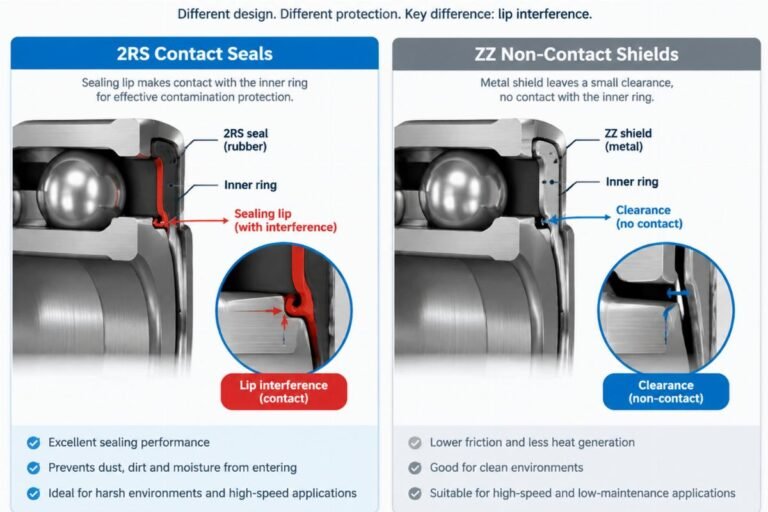
Cross-reference consultation is a valuable service. Not all metric bearings are direct swaps for inch counterparts. A knowledgeable supplier can analyze the application conditions—load, speed, temperature—and recommend the most suitable metric equivalent. This might involve suggesting a different cage material or seal type better suited to the environment, such as a mining site with high dust ingress.

By building a relationship with a trusted Inch to Metric Bearing Housing Replacement Supplier, organizations gain more than just parts. They gain a partner who understands the urgency of downtime and the technical complexities of conversion. This partnership enables faster decision-making, reduced inventory holding costs, and improved equipment reliability.
Conclusion
Practical field adaptations outperform rigid adherence to obsolete standards.
Replacing inch bearing housings with metric equivalents via transition sleeves is a proven strategy for reducing downtime and controlling costs. It leverages global supply chain efficiencies while maintaining technical integrity through precise engineering. Success depends on accurate measurement, proper sleeve machining, and correct installation practices. Sourcing from a reputable Inch to Metric Bearing Housing Replacement Supplier ensures access to genuine components and expert technical support, turning a potential crisis into a routine maintenance task.

Written by
authorEditor covering global sourcing, supplier verification, and industrial product knowledge. Content is compiled from manufacturer specifications, industry standards, and hands-on experience with international B2B buyers. Every article is fact-checked before publishing to help procurement professionals make informed decisions.
View all posts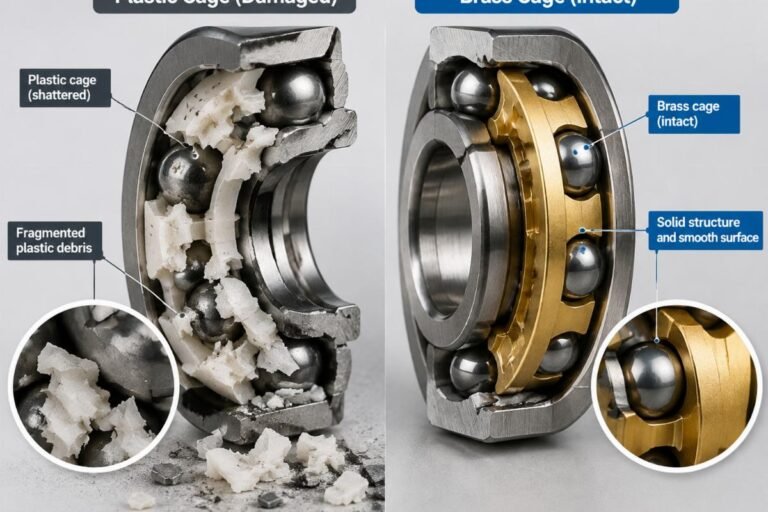
Leave a Reply