Upgrade Pillow Blocks to Split Housings: Genuine Bearing Supplier
The bearing did not fail. The housing design failed.
Upgrading from solid pillow blocks to split housings resolves sealing failures and simplifies maintenance in harsh environments by enabling on-shaft installation without disassembly. This structural change addresses the root cause of premature bearing failure in dusty, high-vibration applications such as mining conveyors and vibrating screens, where traditional solid housings struggle to maintain seal integrity and lubrication levels.
I still remember the heat of the Hanover exhibition hall when a German mining buyer slammed several burnt-out mounted bearings onto my desk. He was furious, convinced that the genuine branded units we supplied were defective. I did not argue about quality certificates. Instead, I picked up one of the destroyed units and pointed to the seal lip. It was caked with fine, abrasive dust. The bearing inside had not worn out from load; it had starved to death. The solid housing had allowed contaminants to breach the seal, drying out the grease. In such environments, the problem is rarely the bearing quality. It is the inability of a solid, one-piece housing to maintain a perfect seal under dynamic shaft movement and heavy contamination. Switching to a split housing design allows for superior sealing arrangements and easier maintenance, directly addressing these operational realities. [NEED_CITE: common failure modes in heavy industry bearing applications]
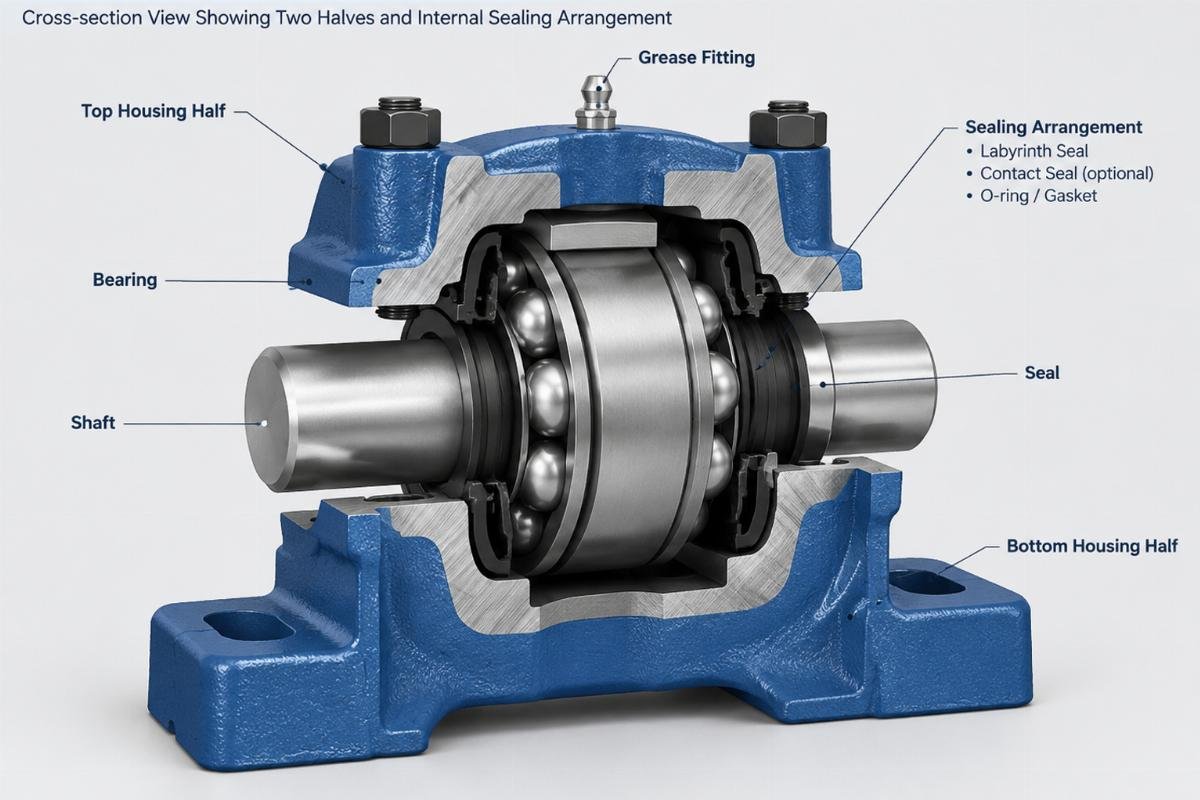
This distinction is critical for maintenance engineers and MRO managers who face frequent unplanned downtime. The solution is not just buying a better bearing, but changing how the bearing is housed and maintained.
Why Do Solid Pillow Blocks Fail in Harsh Environments?
Dust ingress and seal degradation are the primary culprits, not bearing quality.
In industries like mining, cement production, and bulk material handling, the environment is hostile. Fine particulate matter is everywhere. Solid pillow block housings, while robust in clean settings, have a fundamental weakness in these conditions: the seal interface. To install a bearing in a solid housing, the shaft must be inserted through the bore. This often requires pressing or heating, which can compromise the initial fit. More importantly, the seals in solid housings are typically static or simple labyrinth types that rely on a tight fit against the shaft. When the shaft vibrates or deflects under load—a common occurrence in conveyor systems—micro-gaps open up. Dust enters. Grease escapes.
I have seen countless cases where maintenance teams replace bearings every few months, blaming the brand. Yet, when we inspect the failed units, the rolling elements are often intact, but the raceways are scored by abrasive particles that entered through the seal. The solid housing design does not allow for easy inspection or replacement of seals without removing the entire unit from the shaft. This leads to a cycle of reactive maintenance that drives up costs and downtime. [NEED_CITE: impact of contamination on bearing life expectancy]
Furthermore, heat dissipation is another issue. Solid housings enclose the bearing completely, trapping heat generated by friction. In high-speed or heavy-load applications, this heat can degrade the lubricant faster, leading to thermal failure. Split housings, by contrast, often offer better surface area for cooling and allow for more complex, multi-lip sealing arrangements that can accommodate shaft misalignment and vibration without losing integrity.
What Are the Key Advantages of Split Housings?
Split designs offer superior sealing, heat dissipation, and on-shaft maintenance.
The core advantage of a split housing lies in its two-piece construction. The base and the cap are bolted together, clamping the bearing securely. This design allows for several critical improvements over solid housings. First, sealing. Split housings can accommodate advanced sealing systems, such as triple-lip seals or flinger rings, which are much more effective at keeping contaminants out and lubricant in. These seals can be designed to flex with shaft movement, maintaining a tight barrier even under dynamic conditions.
Second, maintenance. With a split housing, you do not need to remove the shaft to replace the bearing. You simply unbolt the cap, lift it off, and the bearing is exposed. This reduces maintenance time from days to hours. In a recent case involving a bulk handler at a port facility, an emergency bearing swap that would have required dismantling a significant section of the conveyor shaft was completed in a single shift using split housings. The ability to perform on-shaft maintenance is a game-changer for operations where uptime is critical. [NEED_CITE: maintenance time reduction benefits of split housing designs]
Third, alignment. Split housings often come with spherical outside diameters that allow for self-alignment within the housing bore. This compensates for minor shaft misalignments caused by structural deflection or installation errors, reducing edge loading on the bearing rollers and extending service life. Solid housings are rigid and transmit misalignment stresses directly to the bearing, leading to premature fatigue.
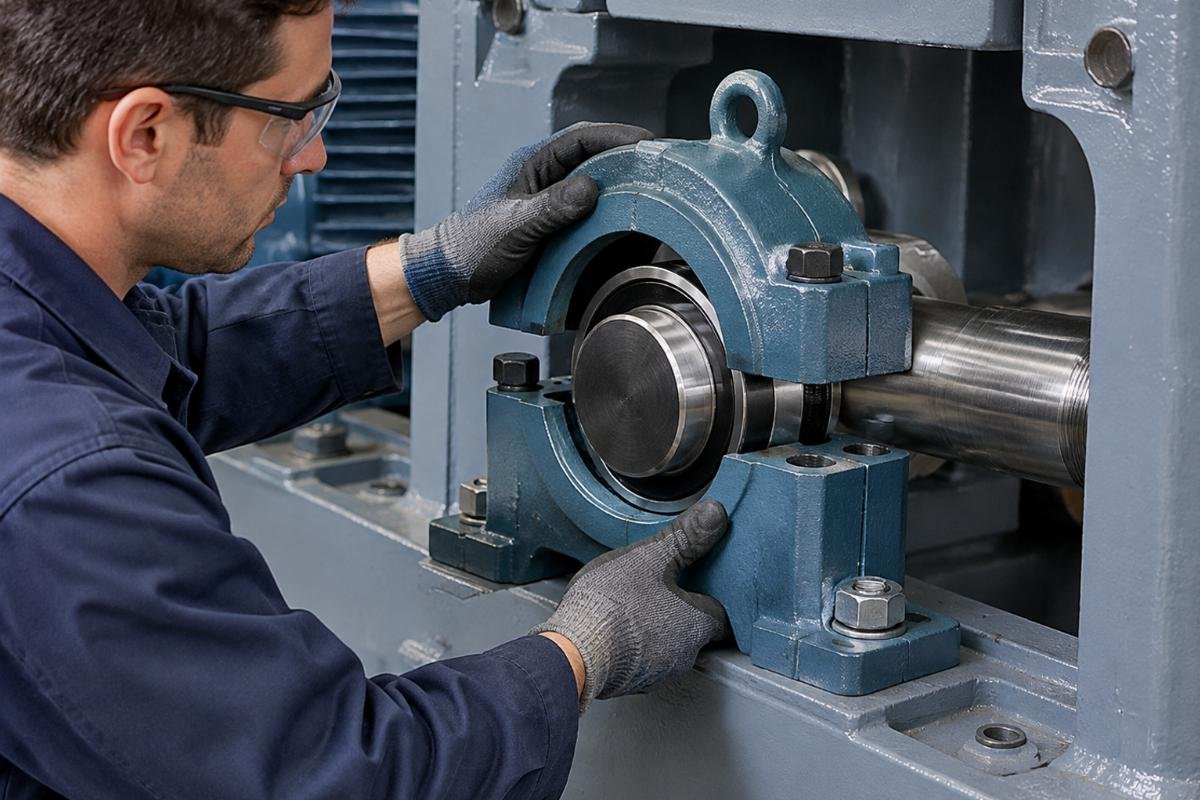
These advantages make split housings the preferred choice for heavy-duty applications where reliability and ease of maintenance are paramount.
How to Prepare for the Upgrade?
Assess shaft dimensions, load conditions, and contaminants before selecting split models.
Upgrading to split housings is not a simple drop-in replacement. It requires careful planning and selection. The first step is to assess the existing shaft conditions. Measure the shaft diameter, tolerance, and surface finish. Split housings require precise shaft dimensions to ensure proper fit and seal performance. If the shaft is worn or damaged, it may need to be repaired or machined before installing the new housing.
Next, evaluate the load conditions. Determine the radial and axial loads, as well as any shock loads or vibration levels. This information is crucial for selecting the correct bearing type and housing size. For example, spherical roller bearings are often used in split housings for their ability to handle misalignment and heavy loads. [NEED_CITE: bearing selection criteria for heavy industrial applications]
Contaminant analysis is also vital. Identify the type and size of particles present in the environment. This will dictate the type of sealing system required. For fine dust, multi-lip seals with grease purge capabilities may be necessary. For wet or corrosive environments, stainless steel housings or specialized coatings might be needed.
At this stage, having access to a comprehensive inventory of genuine split housings and insert bearings from top brands is essential. Technical selection support can help match the right housing and bearing combination to your specific application needs, ensuring that the upgrade delivers the expected performance improvements. We provide this level of technical consultation, leveraging our stock of genuine products from brands like SKF, FAG, and TIMKEN to ensure compatibility and reliability.
What Is the Step-by-Step Installation Process?
Proper alignment, seal assembly, and lubrication ensure optimal performance without shaft removal.
Installing a split housing correctly is critical to realizing its benefits. The process differs significantly from installing a solid housing. Here is a general guide based on industry best practices.
- Preparation: Clean the shaft thoroughly. Remove any rust, burrs, or old grease. Inspect the shaft for damage. Apply a thin layer of anti-seize compound to prevent corrosion between the shaft and the bearing inner ring.
- Bearing Installation: Mount the bearing onto the shaft. If it is an adapter sleeve type, follow the manufacturer’s instructions for tightening the lock nut. Ensure the bearing is seated correctly and securely. [NEED_CITE: ISO standards for bearing mounting procedures]
- Housing Placement: Place the bottom half of the split housing over the bearing. Ensure that the housing sits flat on the mounting surface. Use shims if necessary to achieve proper height and alignment.
- Seal Assembly: Install the seals into the housing ends. Be careful not to damage the seal lips. Apply a small amount of grease to the seal lips to aid initial rotation and prevent dry running.
- Cap Installation: Place the top half of the housing over the bearing. Align the bolt holes. Insert the bolts and tighten them gradually in a cross pattern to ensure even clamping force. Do not overtighten, as this can distort the housing and affect bearing performance.
- Lubrication: Fill the housing with the recommended grease. Do not overfill, as this can cause overheating. Purge old grease if replacing an existing unit.
- Alignment Check: Rotate the shaft by hand to ensure smooth operation. Check for any binding or unusual noise. Use dial indicators to verify shaft alignment if possible.
A common mistake during installation is ignoring the torque specifications for the housing bolts. Uneven tightening can warp the housing, leading to premature bearing failure. Another error is failing to properly seat the seals, which allows contaminants to enter immediately upon startup.

By following these steps, you can ensure that the split housing performs as intended, providing long-lasting protection for the bearing and minimizing maintenance requirements.
Conclusion
Upgrade wisely to stop the cycle of premature failure.
Moving from solid to split pillow block housings is a strategic decision that addresses the root causes of bearing failure in harsh environments. By improving sealing, enabling on-shaft maintenance, and accommodating misalignment, split housings offer a robust solution for industries facing high downtime costs. The key is to select the right components based on accurate assessment of operating conditions and to install them with precision. This approach transforms maintenance from a reactive burden into a controlled, predictable process.

Written by
authorEditor covering global sourcing, supplier verification, and industrial product knowledge. Content is compiled from manufacturer specifications, industry standards, and hands-on experience with international B2B buyers. Every article is fact-checked before publishing to help procurement professionals make informed decisions.
View all posts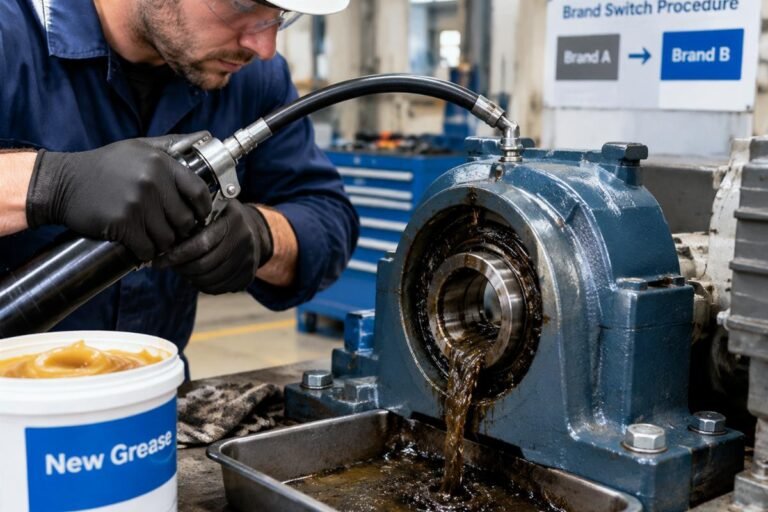
Leave a Reply